
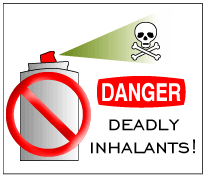

The fumes enter the bloodstream very quickly and the effects are felt after just a few seconds. Inhalants are nervous system depressants, which means they too like other drugs slow down the workings of the brain. The effects mimic alcohol, another depressant, but the effect is much quicker because the chemicals are sent straight to the blood via the lungs, instead of through the stomach. A headache usually follows.
Common effects:
1. Feeling of excitement and euphoria
2. Less inhibitions
3. Loss of coordination
4. Risk taking behaviour
5. Dizziness
6. Watering eyes
7. Running nose
8. Sneezing and coughing
Damage caused by Inhalants use:
1. Anaemia
2. Weight loss
3. Muscle tremors
4. Irritability
5. Memory problems and other cognitive difficulties
6. Chemical poisoning, which can lead to brain, liver and kidney damage
7. Coma
Most people do not think of inhalants as drugs because most of them were never meant to be used as drugs. They include, but are not limited to, solvents, aerosols, some anesthetics, and several other chemicals.
Inhalants are called vasodilators because they expand blood vessels and produce a sentation of heat and excitement. As blood vessels expand, the flow of blood increases, causing blood pressure to fall rapidly. The heart must then work harder to compensate, and the increased heart rate can be dangerous, especially someone with heart disease or high blood pressure.