Food Wastage Statistics
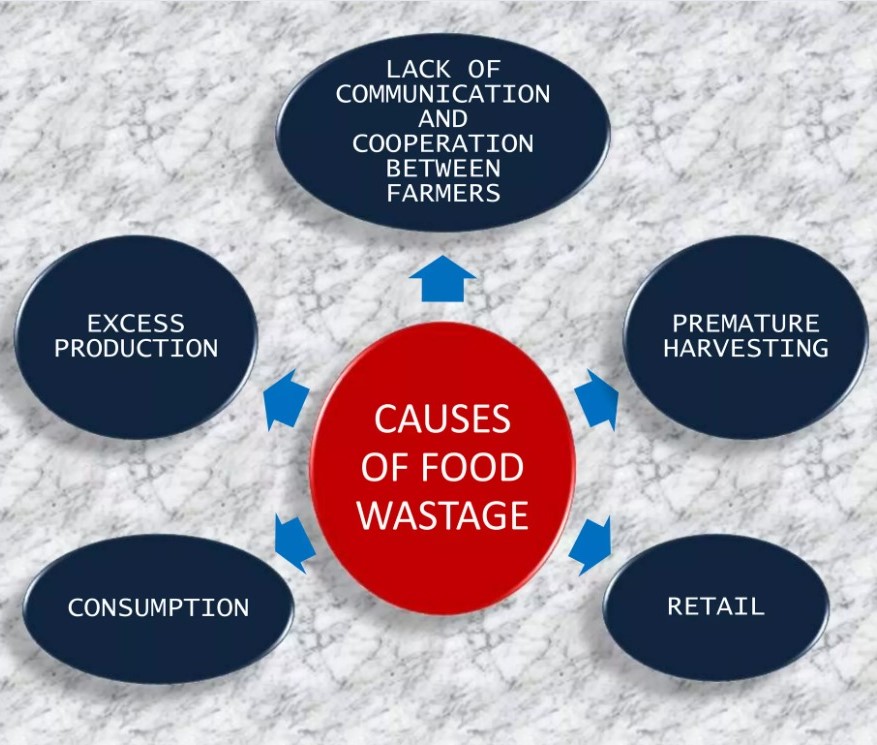
The Problem of Food Wastage
Environmental Impact
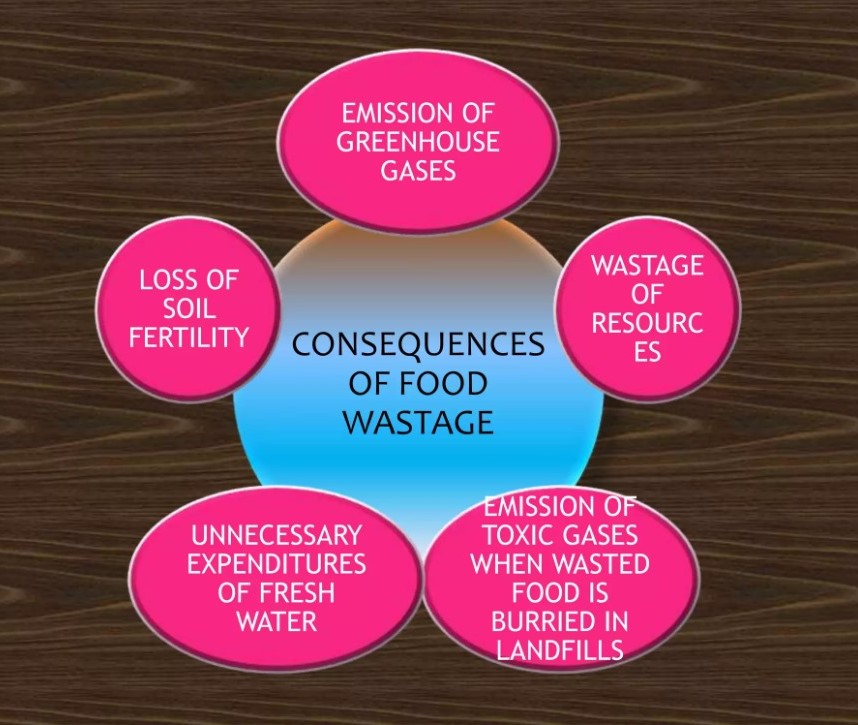
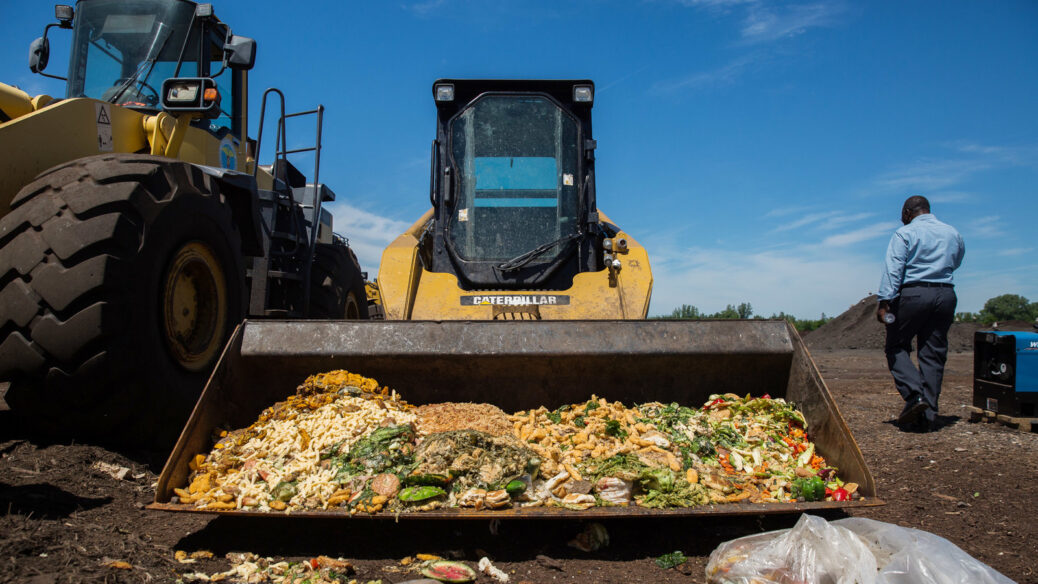
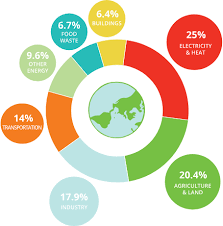
Food waste contributes to greenhouse gas emissions and wastes valuable resources like water and land.
Economic Loss
Globally, the economic cost of food wastage is estimated to be around $1 trillion per year.

Social Impact
While millions go hungry, a significant portion of produced food never reaches those in need.
Solutions to Food Wastage
-
Planning meals and making shopping lists can help reduce impulse buying and prevent food from going to waste. Additionally, learning proper food storage techniques can extend the shelf life of perishable items. For example, keeping fruits and vegetables in optimal conditions can prevent spoilage.
Utilize air-tight containers, refrigeration, and freezing to make your groceries last longer. Research shows that effective planning and storage could reduce household food waste by 20%.
-
Composting
Instead of throwing away food scraps, consider composting. Composting turns organic waste into nutrient-rich soil, which can be used for gardening and farming. It reduces landfill waste and creates a valuable product that can help grow more food.
By composting, individuals can recycle food waste at home and reduce methane emissions produced by landfills.
-
Food Recovery Programs
Many organizations are working to recover surplus food from restaurants, grocery stores, and farms and distribute it to those in need. Supporting these programs not only reduces food waste but also helps fight hunger.
Food recovery programs play a significant role in redistributing edible food that would otherwise go to waste. By connecting donors and recipients, these programs can save millions of meals annually.
-
Education and Awareness
Raising awareness about the environmental, social, and economic impacts of food waste can encourage people to take action. Educational campaigns can teach people how to reduce food waste in their homes and communities through better habits, such as avoiding over-buying, using leftovers creatively, and understanding expiration dates.
Building awareness can be one of the most effective tools in changing the way people think about and handle food.
Take Action

Plan Your Meals
Make a weekly meal plan and shopping list to avoid overbuying.
Store Food Properly
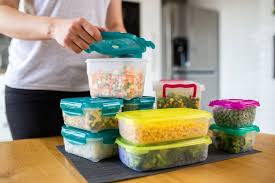
Learn how to store different types of food to maximize freshness.

Use Leftovers Creatively
Find new recipes to use up leftover ingredients.

Donate Excess Food
Support local food banks and donation programs.