Imbolc, also called Imbolg or Oimelc is celebrated on February 1 or 2, and is also known as Candlemas because of the tradition of lighting a profusion of candles to symbolize the growing warmth of the waxing Sun. In terms of the agricultural year, this was the time when ewes began lactating, hence the translation of Oimelc as "ewe's milk". At this time, many witches honor the young Goddess as the waiting bride of the Sun God. Others see her as being the Sun itself coming to bring Spring to the Earth. Traditional practices on Imbolc are the wearing of candle-studded headdresses by women, divinations to see how much longer Winter will last (like Groundhog Day!) and the destruction of harvest icons such as the Grain Dolly, an effigy of a female woven from grain cut down in the fall.
~Edain McCoy
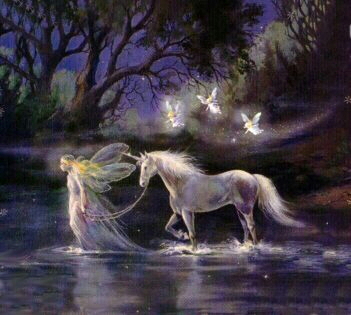
Imbolc is the celebration of the cross-quarter day or fire festival, and marks the end of Winter and the beginning of Spring, when although still cold, the days are lengthening. Imbolc represents the first stirring if the buried seeds within the earth. Symbolically, it is a time of renewal, cleansing, rebirth and purification. The day is also called Brigantia, after the virgin Goddess Bridhe. On this day, the goddess Bridhe expresses her threefold attributes: the powers of healing, firecraft and poetry. In Asatru, the branch if the Pagan faith that worships the old Saxon and Norse divinities, she is Birgit, spring loving consort of Ullr, god of Winter. At Imbolc, the threefold goddess is transformed from her winter aspect as the aged hag, veiled in black. She throws aside her black rod of wintry barrenness and is transformed into the radiant virgin bride, springing from seeming death into life. In Ireland, the worship of the Virgin at Candlemas is known as St. Bridhe's Day, La Fheile Bridhe, celebrating St. Brigid, the continuation of the Pagan Mother goddess in her aspect as the virgin. The goddess's symbol, the asymmetric cross, best known in the form of St. Bridhe's cross can be made on Imbolc Eve and put in the house for protection against fire, lightning and storm. The traditional sigil of Imbolc is a five-branched stave signifying the upraised hand with spread fingers. This is a version of the protective rune, Elhaz (Elk). The ceremonial color for the Spring quarter of the year, which begins at Imbolc, is red.