Common Problems
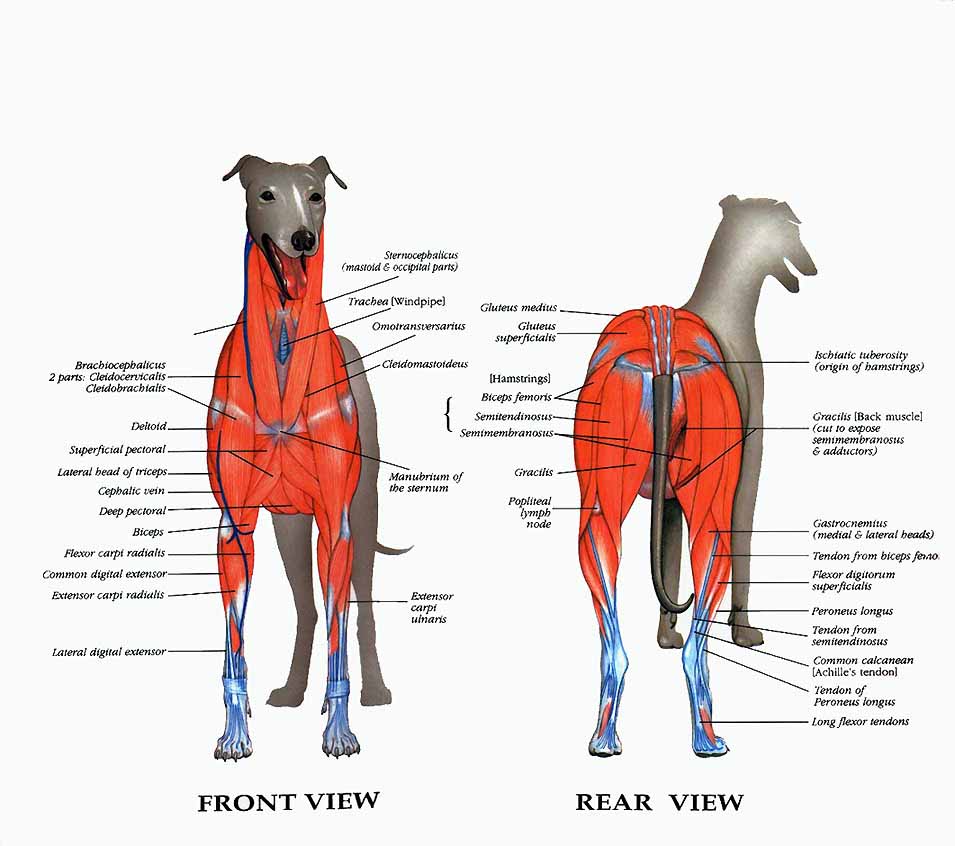
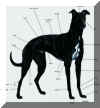
For Full Anatomy of the racing Greyhound (Click Thumbnails)
Deeper Muscles Skeleton Superficial Muscles Front & Rear Muscles Conformation
Topic Bookmarks
Quick's and Cuticles may bleed and become infected after running on sand or marshy type surfaces with lameness being the end result if untreated. racing dogs commonly suffer Sand-toe or impaction of dirt under the cuticles (Toenail skin) when racing, particularly on sand tracks. The outside and inside toes are more susceptible to this complaint as well as Greyhounds with white feet or toes. Cleaning the toes after racing thoroughly with running water and using a soft tooth brush should help prevent ongoing infections.
Management.
Apply Pad aid or Colodial Silver to affected areas. 1 to 2 drops on each cuticle twice daily for 5-7 days to control infections and a further 7-10 days to help heal abrasions and lacerations of the cuticle.
(Hint if your dog is susceptible to this condition you can try coating the quick's and cuticles with a clear nail polish on the morning prior to racing.)
Shin Soreness, or inflammation of the of the metacarpal bones on the front legs below the wrist, is a common problem with young Greyhounds particularly when breaking them in on circular tracks. Sudden interduction to to much fast track work creates abnormal pressures on these young immature bones. This can result in inflammation, hairline cracks and even fractures.
Symptoms
Shortened stride and lameness after 2-3 gallops around a circular track. Swelling, warmth and pain around the metacarpal bones. Squeezing the foot in the hand can also cause pain.
Management.
Rest the greyhound for 7-10 days (Walking only)
Treat affected arrear with liniment for 5-7 days
Laser for 30 sec to 1 min per point around the affected area.
Once the greyhound has recovered slip into the corner at one end of the track twice weekly for 2-3 weeks and then return to normal training.
(See your vet for specialized treatment and advice.)