September Activity
The garden in September is a great time to play and romp.
The weather is cooling down after August's "Dog Days of Summer."
The birds, butterflies and insects are still with us before they
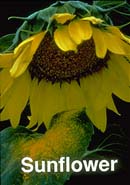
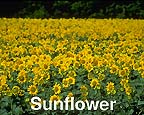
migrate south. The birds are attracted to my Meowmie's sunflowers.
Even the squirrels like hanging on the stems and eating away at the
great harvest of seeds. Sunflowers are one of our native plants.
Prior to the first settlement of Europeans to our continent,
the Midwestern landscape was made up of a variety of ecosystems,
including tall grass prairies, oak savannas, woodlands and
wetlands. These ecosytems were home to birds, butterflies
and other animals. Most of these areas were changed into
agricultural lands, urban centers and the industrial centers
that we see today. Few acres of the original landscapes remain.
The first settlers planted gardens with plants brought from
their countries. They were small garden plots set in the
wilderness. Today, the reverse is true. Agricultural and
garden plants introduced from all over the world dominate.
While native plants are managed in small preserves. In
recent years the interest has focused on native plants.
What is a Native Plant?
Native plants (indigenous plants) are plants that have evolved
Why use a Native Plant?
Native plants provide a beautiful, hardy, drought resistant
Guidelines for buying Native Plants
Native plants locally grown are best suited to
over thousands of years in a particular region. They have
adaped to geography, hydrology and the climate of that
region. They occur in communities, meaning that they have
evolved together with other plants. These communities provide
habitat for a variety of native wildlife species such as
songbirds and butterflies.
low maintenance landscape and benefits the envirionment.
Once established, native plants save time and money by
eliminating or reducing the need for fertilizers, pesticides,
water and lawn maintenance equipment.
the regional climatic conditions.
Buy seeds propagated from the nursery. Seeds
from the wild need to be protected so that we
don't deplete our natural areas.
Survey your plot carefully to know which plants
will grow in sun and shade.
Know your soil. Is it sandy or loamy, wet or dry?
Check on what type of soil is needed for a native plant.
Ask your nursery which native plants grow well together.
Patience is needed to germinate seeds or for native pants
to mature.

Your activity this month is to research about native plants.
If you have alreay planted native plants, let us know your
story to share with the other kitties. Mail your stories,
research and graphics to me, Lloyd, by using the mail button
below at the bottom. Purr to me, Lloyd.
If some kitties did not get a chance to submit something for
previous activities, you can do so any time because all of our gardens
are open for submissions. We have several garden plots to interest you
kitties. Send in what you want to plant in these plots. Your submissions
can be a story, a graphic or an idea. We can all have fun gardening.

The midi is playing "Kitten" and is used by permission
of Geoff. Visit his wonderful site.