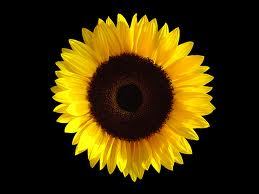
 Sunflower
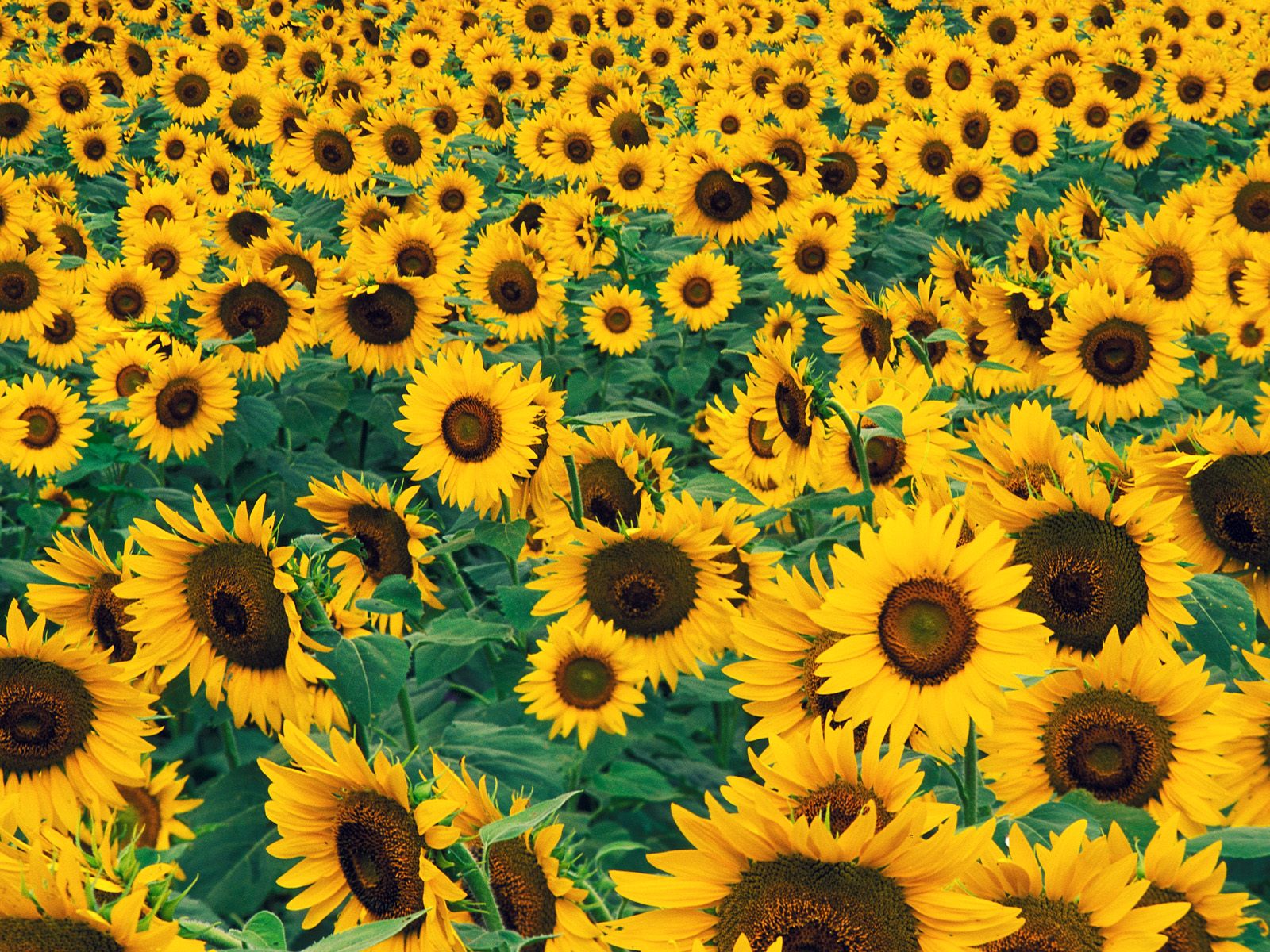 Varities of sunflower
The following are varities of sunflower:
- 'American Giant Hybrid'
- 'Arnika'
- 'Autumn Beauty' (Autumnal colors)
- 'Aztec Sun'
- 'Black Oil'
- 'Dwarf Sunspot'
- 'Evening Sun'
- 'Giant Primrose'
- 'Indian Blanket Hybrid'
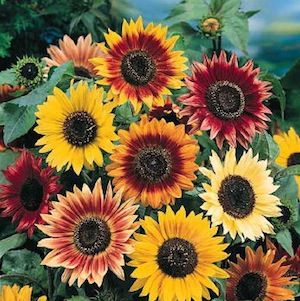
- 'Irish Eyes'
- 'Italian White'
- 'Kong Hybrid'
- 'Large Grey Stripe'
- 'Lemon Queen' (Pale lemon)
- 'Mammoth Russian'
- 'Mongolian Giant'
- 'Orange Sun'
- 'Peach Passion'
- 'Peredovik'
- 'Red Sun'
- 'Ring of Fire'
- 'Rostov'
- 'Skyscraper'
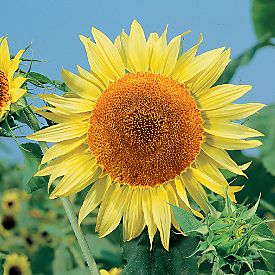
- 'Soraya'
- 'Strawberry Blonde'
- 'Sunny Hybrid'
- 'Taiyo' (Orange-yellow, chocolate center)
- 'Tarahumara'
- 'Teddy Bear'
- 'Titan'
- 'Valentine'
- 'Velvet Queen' (red to dark claret, chocolate center)
- 'Yellow Empress'
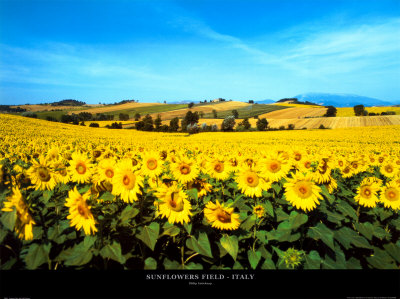
History : The evidence thus far is that the sunflower was first domesticated in Mesoamerica, present dayMexico, by at least 2600 BC. It may have been domesticated a second time in the middleMississippi Valley, or been introduced there from Mexico at an early date, as maize was. The earliest known examples of a fully domesticated sunflower north of Mexico have been found inTennessee, and date to around 2300 BC[citation needed]. Many indigenous American peoples used the sunflower as the symbol of their solar deity, including the Aztecs and the Otomi of Mexico and the Incas in South America. Francisco Pizarro was the first European to encounter the sunflower in Tahuantinsuyo, Peru. Gold images of the flower, as well as seeds, were taken back to Spainearly in the 16th century. Some researchers argue that the Spaniards tried to suppress cultivation of the sunflower because of its association with solar religion and warfare. During the 18th century, the use of sunflower oil became very popular in Europe, particularly with members of the Russian Orthodox Church, because sunflower oil was one of the few oils that was not prohibited during Lent, according to some fasting traditions.
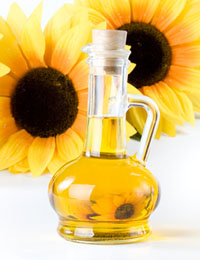
Cultivation and uses : To grow best, sunflowers need full sun. They grow best in fertile, moist, well-drained soil with heavy mulch. In commercial planting, seeds are planted 45 cm (1.5 ft) apart and 2.5 cm (1 in) deep. Sunflower "whole seed" (fruit) are sold as a snack food, raw or after roasting in ovens, with or without salt and/or seasonings added. Sunflowers can be processed into a peanut butter alternative, sunflower butter. In Germany, it is mixed with rye flour to make Sonnenblumenkernbrot (literally: sunflower whole seed bread), which is quite popular inGerman-speaking Europe. It is also sold as food for birds and can be used directly in cooking and salads. American Indians had multiple uses for sunflowers in the past,such as in bread, medical ointments, dyes and body paints. Sunflower oil, extracted from the seeds, is used for cooking, as a carrier oil and to produce margarine and biodiesel, as it is cheaper than olive oil. A range of sunflower varieties exist with differing fatty acid compositions; some 'high oleic' types contain a higher level of monounsaturated fats in their oil than even olive oil. The cake remaining after the seeds have been processed for oil is used as alivestock feed. Some recently developed cultivars have drooping heads. These cultivars are less attractive to gardeners growing the flowers as ornamental plants, but appeal to farmers, because they reduce bird damage and losses from some plant diseases. Sunflowers also produce latex, and are the subject of experiments to improve their suitability as an alternative crop for producing hypoallergenic rubber. Traditionally, several Native American groups planted sunflowers on the north edges of their gardens as a "fourth sister" to the better known three sisters combination of corn, beans, and squash. Annual species are often planted for their allelopathic properties. However, for commercial farmers growing commodity crops, the sunflower, like any other unwanted plant, is often considered a weed. Especially in the midwestern US, wild (perennial) species are often found in corn and soybean fields and can have a negative impact on yields. Sunflowers can be used to extract toxic ingredients from soil, such as lead, arsenic and uranium. They were used to remove cesium-137 andstrontium-90 from a nearby pond after the Chernobyl disaster and a similar campaign was mounted in response to the Fukushima Daiichi nuclear disaster. (see phytoremediation)
In culture : The sunflower is often used as a symbol of green ideology, much as the red rose is a symbol of socialism or social democracy. The sunflower is also the symbol of the Vegan Society. The sunflower is the national flower of Ukraine. The sunflower was chosen as the symbol of the Spiritualist Church for many reasons, but mostly because it turns toward the sun as "Spiritualism turns toward the light of truth". Modern Spiritualists often have art or jewelry with sunflower designs.Starting from February 2010, Kuban Airlines of Russia painted part of its fleet in a new livery featuring enormous sunflowers.
 Home page