Rose


The content of this website will be:
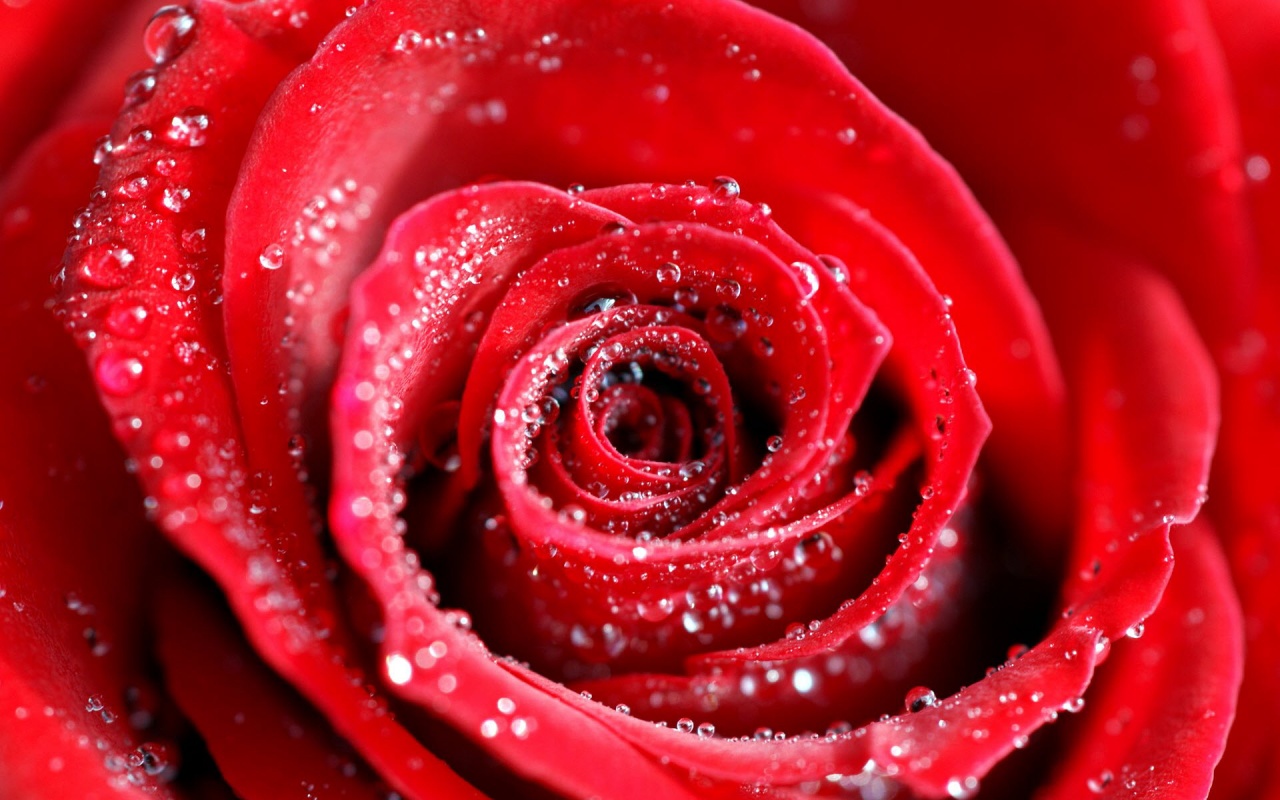
Botany:The leaves are borne alternately on the stem. In most species they are 5 to 15 centimetres long.Most roses are deciduous but a few (particularly from South east Asia) are evergreen or nearly so.The flowers of most species have five petals, with the exception of Rosa sericea, which usually has only four. Each petal is divided into two distinct lobes and is usually white or pink, though in a few species yellow or red. Beneath the petals are five sepals (or in the case of some Rosa sericea, four). These may be long enough to be visible when viewed from above and appear as green points alternating with the rounded petals. The aggregate fruit of the rose is a berry-like structure called a rose hip. Many of the domestic cultivars do not produce hips, as the flowers are so tightly petalled that they do not provide access for pollination. The hips of most species are red, but a few (e.g. Rosa pimpinellifolia) have dark purple to black hips. Rose thorns are actually prickles - outgrowths of the epidermis.While the sharp objects along a rose stem are commonly called "thorns".

Species:
Some  of species of rose flower are:
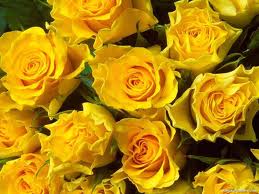
Banksianae - white and yellow flowered roses from China.
Bracteatae - three species, two from China and one from India.
Caninae - pink and white flowered species from Asia, Europe and North Africa.
Carolinae - white, pink, and bright pink flowered species all from North America.
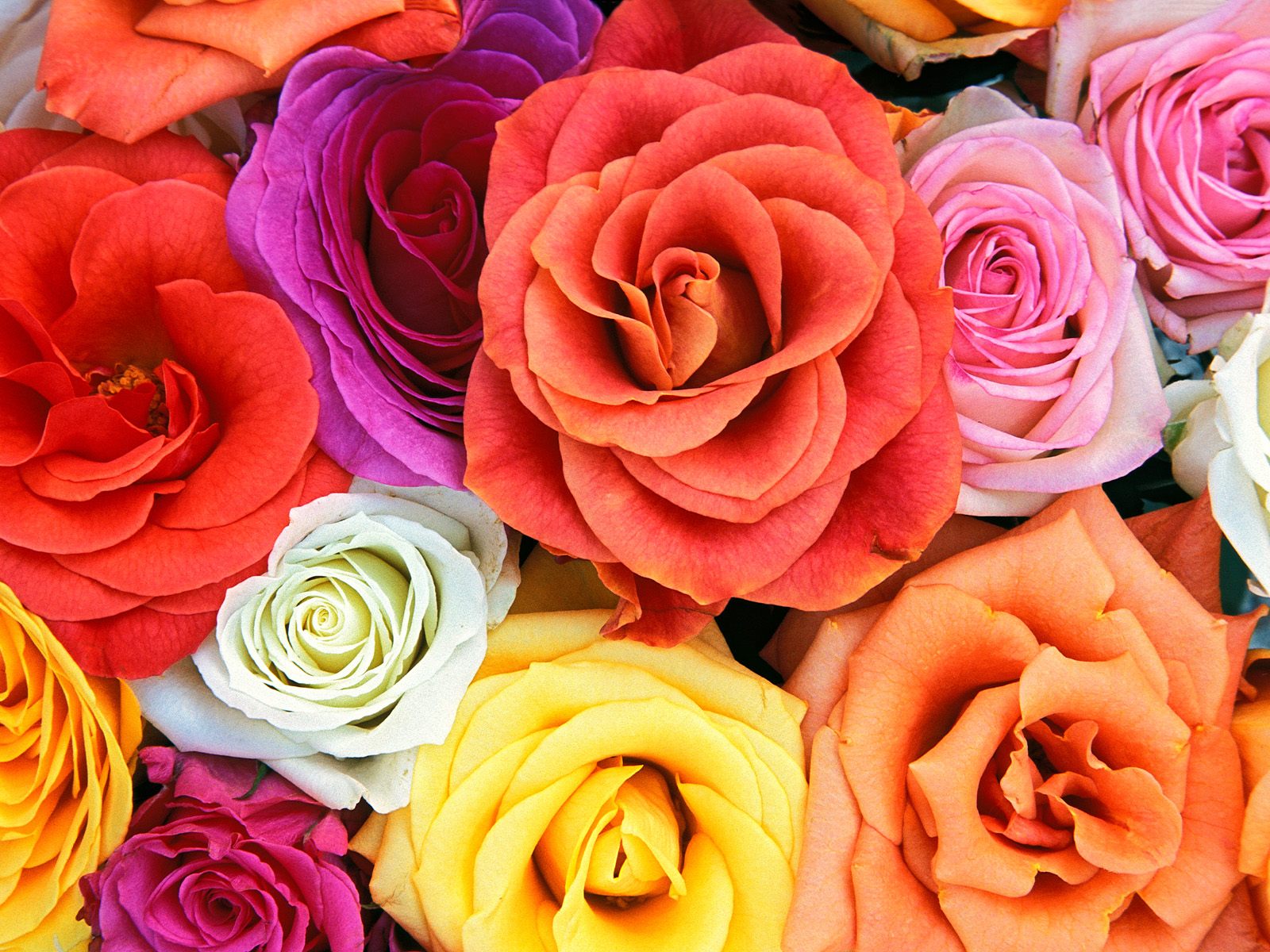
Chinensis - white, pink, yellow, red and mixed-color roses from China and Burma.
Gallicanae - pink to crimson and striped flowered roses from western Asia and Europe.
Gymnocarpae - one species in western North America (Rosa gymnocarpa), others in east Asia.
Laevigatae - a single white flowered species from China
Pimpinellifoliae - white, pink, bright yellow, mauve and striped roses from Asia and Europe.
Rosa (syn. sect. Cinnamomeae) - white, pink, lilac, mulberry and red roses from everywhere but North Africa.
Synstylae - white, pink, and crimson flowered roses from all areas. 
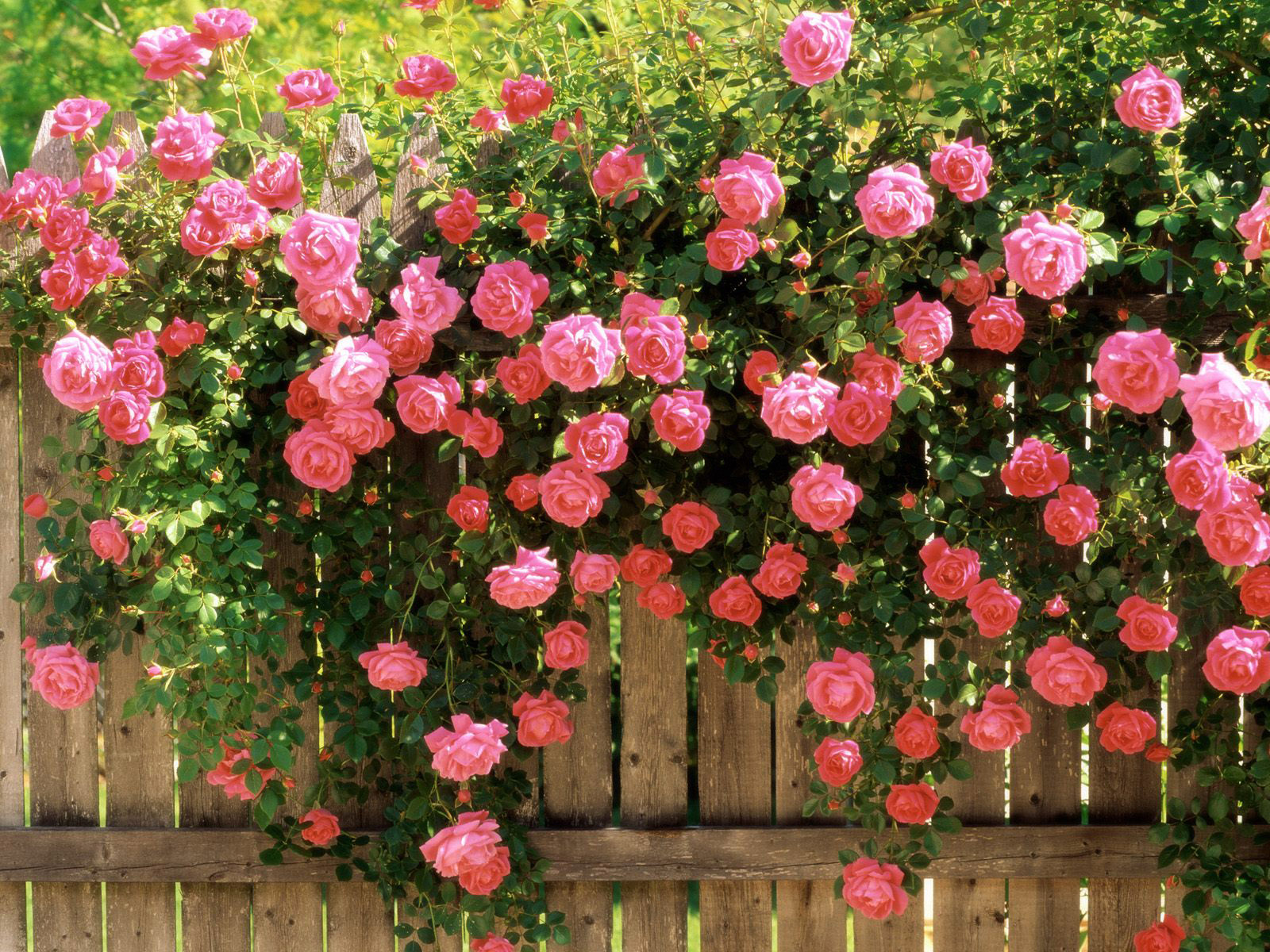
Pink roses

Uses : Roses are best known as ornamental plants grown for their flowers in the garden and sometimes indoors. They have been also used for commercial perfumery and commercial cut flower crops. Some are used as landscape plants, for hedging and for other utilitarian purposes such as game cover and slope stabilization. They also have minor medicinal uses.

Perfume : Rose perfumes are made from attar of roses or rose oil, which is a mixture of volatile essential oilsobtained by steam distilling the crushed petals of roses. An associated product is rose water which is used for cooking, cosmetics, medicine and in religious practices. The production technique originated in Persia then spread through Arabia and India, and more recently into eastern Europe. In Bulgaria, Iran and Germany, damask roses (Rosa damascena 'Trigintipetala') are used. In other parts of the world Rosa centifoliais commonly used. The oil is transparent pale yellow or yellow-grey in colour. 'Rose Absolute' is solvent-extracted with hexane and produces a darker oil, dark yellow to orange in colour. The weight of oil extracted is about one three-thousandth to one six-thousandth of the weight of the flowers; for example, about two thousand flowers are required to produce one gram of oil. The main constituents of attar of roses are the fragrant alcohols geraniol and l-citronellol; and rose camphor, an odourless paraffin. �-Damascenone is also a significant contributor to the scent. Rose water, made as a byproduct of rose oil production, is widely used in Asian and Middle Eastern cuisine. In France there is much use of rose syrup, most commonly made from an extract of rose petals. In the United States, this French rose syrup is used to make rose scones andmarshmallows.

Medicine: The fruits of many species have significant levels of vitamins and have been used as a food supplement (see previous Many roses have been used in herbal and folk medicines. Rosa chinensis has long been used in Chinese traditional medicine. This and other species have been used for stomach problems, and are being investigated for controlling cancer growth. Pests and diseases: Wild roses are host plants for a number of pests and diseases. Many of these are also shared with other plants, including especially other genera of the Rosaceae. Cultivated roses are often subject to severe damage from insect, arachnid and fungal pests and diseases. In many cases they cannot be usefully grown without regular treatment to control these problems.

Home Page