 |
|
|
|
|
|
|
|
|
|
|
|
|
|
|
|
|
|
|
|
|
|
|
This Thing Called |
|
|
|
 |
|
|
|
|
Freedom |
|
|
|
Correspondence Between Banneker and Jefferson
Lincoln Overrules Military Declaration of; Emancipation for Georgia
Frederick Douglass Fourth of July Speech
Who Built the White House? |
|
|
|
|
|
|
|
|
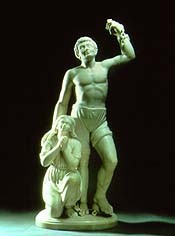
Forever Free, Edmonia Lewis |
|
|
|
|
|
|
End of Slavery in non Confederate states
Reaction to Emancipation Black Residents of Nashville to the Union Convention
A Father's Promise
A Father's Response
Anne Davis Writes President Lincoln
Appeal for Fair Tratment for Soldiers
|
|
|
|
|
|
|
While the Emancipation Proclamation is referred to as the great document ending slavery in America, the truth is it only applied to slave holding states of the Confederacy. Also, it is commonly believed that slavery and discrimination against Blacks was less entrenched in northern and western states. For many states, the only official end to slavery came in 1865 with the ratification of the 13th Amendment to the Constitution. And even with that, the freedom to own property, live where one wanted, work in a field of one's choice, become educated, attend religious services or participate in local decision making through voting was many years away. |
|
|
|
|
|
When the Civil War ended, nineteen of 24 Northern states did not allow Black people to vote. Nowhere could they serve on juries before 1860. They could not give testimony in 10 states, and were prevented from assembling in two. Blacks who entered Illinois and stayed more than 10 days were guilty of "high misdemeanor". Several western states had prohibited free blacks from entering the state. Even those that didn't, debated it and had discriminatory ordinances on the local levels restricted travel and trade. To dissuade black immigration states such as Ohio, Indiana, Illinois required presentation of legal documentation stating a person was free and the posting of exorbitant monetary bonds as high as $1,000. Failure to produce the documents or pay the bond landed both formerly enslaved and forever free blacks in a form of county inservitude being hired out as unpaid labor. When the time expired, they were forced to leave the state or face another period of servitude. |
|
|
|
|
Home |
|
|
|
|
|
|
Selections regarding the end of slave trafficking, abolition of slavery, graduation emancipation legislation by state, limitations placed on military and union men, etc. help to illustrate the long road ahead after "Freedom" was declared. |
|
|
|
For more information on Filling in the Gaps in American History (F.I.G.A.H), biographies and research on people of African Descent who don't usually appear in text books, contact us at email. |
|