
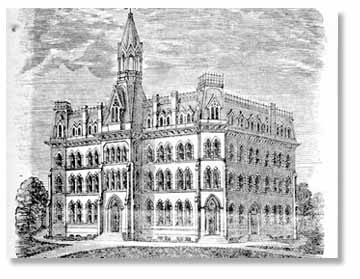
First coeducational college and first to admit blacks.
|
|
|
|
|
|
|
|
|
|
|
|
|
|
|
|
|
|
|
|
|
|
|
|
|
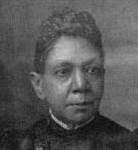
| Fannie Jackson Coppin, educator and missionary | ||||||||||||||||||||||||
| First black woman to head a major educational institution for blacks in the United States | ||||||||||||||||||||||||
| Fannie Muriel Jackson-Coppin was born in 1837 to an enslaved family in Washington, D.C. Her maternal grandfather saved enough money to buy himself and four of his six children. Fannie's mother Lucy was one of the two he did not purchase and Fannie said it was due to the circumstances of her birth. | ||||||||||||||||||||||||
|
||||||||||||||||||||||||
| One of the other freed children, Sarah Orr, saved $125 from her work as a $6 a month housekeeper and bought her niece Fannie's freedom when she was 12. When she was 14, another aunt, Elizabeth Orr, took her to Newport, Rhode Island and arranged for private schooling. Jackson attended the public colored school for a few months to prepare for the examination to attend the Rhode Island State Normal School in Bristol. | ||||||||||||||||||||||||
| Oberlin College First coeducational college and first to admit blacks. |
||||||||||||||||||||||||
| After a two year course, Jackson entered Oberlin College in 1860. While at Oberlin, Jackson studied Latin, Greek, math and French, sang in the Oberlin church choir and was a member of the Young Ladies Literary society.; Fannie gave piano lessons to faculty members' children to help pay for her education and received money from her aunts and others. In 1863 she was the first African American chosen to teach in Oberlin's Preparatory Department selected for her academic achievements and evening classes for those formerly enslaved. | ||||||||||||||||||||||||
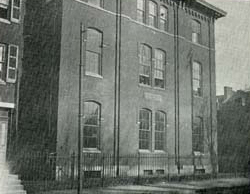
| In April, 1865, the Civil War ended and in August Jackson graduated from Oberlin. A full year before her graduation a request for a black woman to teach Greek, Latin and high mathematics came from the Institute for Colored Youth, founded by the Society of Friends in Philadelphia in1837. Initially she was principal of the Ladies Department along with teaching. In 1869 she beame principal of the entire institution becoming the first African American woman to do. She made many changes over and above additions to the curriculum. Jackson eliminated corporal punishment, held parent-teacher meetings, and sent "conduct papers" to parents. In 1879 she established an industrial department for students who desired training in a trade. | ||||||||||||||||||||||||
| In addition to her work at the Institute, Jackson contributed to Philadelphia's black community by being on the board of managers for the Home for Aged and Infirmed Colored People, created the Women's Exchange and Girls' Home to provide housing and instruction in domestic sciences, was appointed to the Board of City Examiners for Clerical Officers and served as a French interpreter in the Philadelphia court system. | ||||||||||||||||||||||||
|
||||||||||||||||||||||||
| While serving as president of a committee sponsoring a fair to raise money for the Christian Recorder, Fannie hired the institute janitor to escort her for night activities. One of the attendees of the fair was the Rev. Levi Jenkins Coppin, pastor of the Philadelphia Bethel Church who heard of the arrangement, bet friends he could have the janitor dismissed and take his place as Jacksons' escort. In 1881, they were married. | ||||||||||||||||||||||||
| Institute for Colored Youth | ||||||||||||||||||||||||
| After her marriage, Jackson-Coppin did not stop teaching or reduce community activities but added church work to her load. During her first trip to London she not only expressed zeal but also demonstrated support of the right of women to fully use all their abilities. Lewis Coppin was elected bishop of the A.M.E. church in 1900 and assigned to Cape Town, South Africa. Jackson-Coppin joined him there in 1902. While there she organized temperance and missionary societies at Bethel Institute which her husband had established before she arrived. She traveled from the headquarters to establish missions and talk with native women on various subjects. | ||||||||||||||||||||||||
| ;In 1903 Jackson-Coppin retired from the Institute and her health began to suffer.; She wrote Reminiscences of School Life, and Hints on Teaching, a collection of teaching techniques and stories of graduates of the Institute. The dedication was to her Aunt Sarah Orr Clark who bought her freedom. | ||||||||||||||||||||||||
| During the 40 years Jackson-Coppin was at the Institute 668 students graduated. These graduates became leading teachers, lawyers, college administrators, professors, dentists, physician and top- ranking civil servants. The Institute for Colored Youth relocated to Cheney, Pennsylvania and later became Cheney State University. In Baltimore a school was named Fanny Jackson-Coppin Normal School and is now Coppin State College. Her crusade for industrial education and self help resulting in social and economic development is summed up in her message; | ||||||||||||||||||||||||
| We should strive to make known to all men the justice of our claims to the same employment as other men under the same conditions. We do not ask that any one of our people shall be put in a position because he is a colored person, but we do ask that he shall not be kept out of a position because he is a colored person. An open field and no favors is all that is requested. | ||||||||||||||||||||||||
|
||||||||||||||||||||||||
| Jackson-Coppin died in Philadelphia on Jan. 21, 1913. | ||||||||||||||||||||||||
| For more information on Filling in the Gaps in American History (F.I.G.A.H), biographies or resarch on people of African Descent who don't usually appear in text books, contact us at email. | ||||||||||||||||||||||||