 |
|
|
|
|
|
|
|
|
|
|
|
|
|
|
|
|
|
|
|
|
|
|
|
|
|
|
|
|
|
|
|
|
|
|
|
|
|
|
|
|
|
|
|
|
|
|
|
|
|
|
|
|
|
|
|
|
|
|
|
|
|
|
|
|
|
|
|
|
|
|
|
|
|
|
|
|
|
|
|
|
|
|
|
|
|
|
|
|
|
 |
|||||||||||||||||||||||||||||||||||||||||||||||||||||||||||||||||||||||||||||||||||||||||
 |
|||||||||||||||||||||||||||||||||||||||||||||||||||||||||||||||||||||||||||||||||||||||||
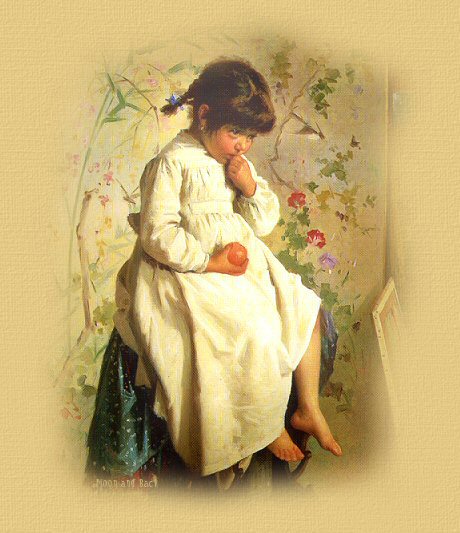
| Some of us were blessed with loving Parents, Family and Neighbors. Our childhood memories are all positive and happy. While others of us fight each day against depression and other emotional disorders caused by Child Abuse. For these adults every fiber and every minute of their life is a reflection of the abuse. With the great debate going on about what exactly is Child Abuse. I think we all need to explore the issue. Learn and decide for ourselves what constitutes abuse. Meet and know victims and learn their stories. See how abuse affected their lives. While some of us like to think only Happy Positive Thoughts remember a large number of others would like just one Happy Positive Memory. | |||||||||||||||||||||||||||||||||||||||||||||||||||||||||||||||||||||||||||||||||||||||||
 |
|||||||||||||||||||||||||||||||||||||||||||||||||||||||||||||||||||||||||||||||||||||||||
| What Child Abuse Means to Some... | |||||||||||||||||||||||||||||||||||||||||||||||||||||||||||||||||||||||||||||||||||||||||
| Any act that porhibits a child from obtaining a positive self worth. Any act that creates a climate of fear. Any act of leaving a child without a responsible adult in the home for prolonged periods.*Note: I do not consider a sibling a responsible adult. | |||||||||||||||||||||||||||||||||||||||||||||||||||||||||||||||||||||||||||||||||||||||||
 |
|||||||||||||||||||||||||||||||||||||||||||||||||||||||||||||||||||||||||||||||||||||||||
| What Child Abuse Means To Others | |||||||||||||||||||||||||||||||||||||||||||||||||||||||||||||||||||||||||||||||||||||||||
| All the horrid things you can imagine coming from your worst nightmare. Things you find hard to believe until you read it in the paper or see it on the news. These poeople are all around us. Be kind to them... they have lived not the dream but the nightmare. They only deserve our kindness and compassion. They are victims of abuse, not lepers because of abuse. It's the very first step in stopping and healing the abuse. The second step is making others aware abuse is real and passing the stories and warnings on. | |||||||||||||||||||||||||||||||||||||||||||||||||||||||||||||||||||||||||||||||||||||||||
|
|||||||||||||||||||||||||||||||||||||||||||||||||||||||||||||||||||||||||||||||||||||||||
| All FH&L's Child Abuse pages deal with very sensive material. Some stories can become graphic and upsetting to Children under 16 years of age. Because of this we are asking they have a parent view the pages with them.We feel it would be a good format to start a Family discussion on the topic. | |||||||||||||||||||||||||||||||||||||||||||||||||||||||||||||||||||||||||||||||||||||||||
|
|||||||||||||||||||||||||||||||||||||||||||||||||||||||||||||||||||||||||||||||||||||||||
| INFORMATION | |||||||||||||||||||||||||||||||||||||||||||||||||||||||||||||||||||||||||||||||||||||||||
| April signifies Child Abuse Awareness Month. In 1999, it was estimated that 1,070,000 children were substantiated as victims of child abuse and neglect, a rate of 15 of every 1,000. Almost half (46%) of all substantiated cases were children who were victims of neglect. In order to protect our children from abuse and neglect, we must begin in our own community. We must become informed citizens and be able to recognize signs of abuse and neglect. Then we must alert the appropriate professionals who will intervene on the child's behalf. As informed citizens we CAN help prevent child abuse and neglect. Remember: DISCIPLINE helps a child learn a lesson that will carry over and positively affect future behavior. ABUSE affects the future in a negative way, leading to anger, hatred and more deviant behavior. DISCIPLINE enhances the child's sense of self worth, helping the child learn self-control and thus becoming comfortable within the family and in society. ABUSE robs the child of self worth and causes him/her to feel outcast and resentful. DISCIPLINE is not shame or guilt. ABUSE is shame or guilt which satisfies the needs of the parents at the moment and destroys the self image of the child in a hostile manner. DISCIPLINE is taught by example. But so is abuse! |
|||||||||||||||||||||||||||||||||||||||||||||||||||||||||||||||||||||||||||||||||||||||||
|
|||||||||||||||||||||||||||||||||||||||||||||||||||||||||||||||||||||||||||||||||||||||||
| Observeable Indicators dirty skin, offensive body odor unwashed, uncombed hair tattered, under- or oversized unclean clothing dressed in clothing that is inappropriate to weather or situation frequently left unsupervised or alone for periods of time - this is the most frequent cause of child death and should not be minimized |
|||||||||||||||||||||||||||||||||||||||||||||||||||||||||||||||||||||||||||||||||||||||||
|
|||||||||||||||||||||||||||||||||||||||||||||||||||||||||||||||||||||||||||||||||||||||||
| Physical Indicators: drowsiness, easily fatigued bruises, lacerations or cuts that are unhealed, infected and untreated illness and physical complaints not responded to by a parent |
|||||||||||||||||||||||||||||||||||||||||||||||||||||||||||||||||||||||||||||||||||||||||
|
|||||||||||||||||||||||||||||||||||||||||||||||||||||||||||||||||||||||||||||||||||||||||
| Indicators of Malnutrition: frequently hungry, begging for or stealing food gorging self, eating quickly in large gulps and quantities obesity, overeating junk foods |
|||||||||||||||||||||||||||||||||||||||||||||||||||||||||||||||||||||||||||||||||||||||||
|
|||||||||||||||||||||||||||||||||||||||||||||||||||||||||||||||||||||||||||||||||||||||||
| Indicators in Infants and Toddlers: shows listlessness, poor responsiveness does not often smile, cry, laugh, play has blank affect and a marked inability to relate to others lacks interest, curiosity has been hospitalized for failure to thrive - regresses upon return to home |
|||||||||||||||||||||||||||||||||||||||||||||||||||||||||||||||||||||||||||||||||||||||||
|
|||||||||||||||||||||||||||||||||||||||||||||||||||||||||||||||||||||||||||||||||||||||||
| Indicators in Children: comes to school without breakfast has no lunch money needs dental care, glasses falls asleep in class, often seems in a fog or dream world is frequently absent or late for school has unattended physical problems and medical needs |
|||||||||||||||||||||||||||||||||||||||||||||||||||||||||||||||||||||||||||||||||||||||||
|
|||||||||||||||||||||||||||||||||||||||||||||||||||||||||||||||||||||||||||||||||||||||||
| Family and Parental Indicators: promise but do not follow up on recommendations, fail to keepappointments and/or refuse help from school or other resources have a history of abuse or neglect as a child have a disorganized, chaotic home life have a history of chronic illness give impression of resignation and feeling that nothing makes much difference anyway present a pattern of chronic or periodic substance abuse leave children unsupervised - this is the most frequent cause of child death and should not be minimized |
|||||||||||||||||||||||||||||||||||||||||||||||||||||||||||||||||||||||||||||||||||||||||
|
|||||||||||||||||||||||||||||||||||||||||||||||||||||||||||||||||||||||||||||||||||||||||
| Any ONE of these indicators could be attributable to a specific life event or trauma. A PATTERN of behavior is the strongest indicator of NEGLECT and should not be ignored. |
|||||||||||||||||||||||||||||||||||||||||||||||||||||||||||||||||||||||||||||||||||||||||
|
|||||||||||||||||||||||||||||||||||||||||||||||||||||||||||||||||||||||||||||||||||||||||
| The National Committee to Prevent Child Abuse defines EMOTIONAL ABUSE as a pattern of behavior that attacks a child's emotional development and sense of self-worth. EMOTIONAL ABUSE includes excessive, aggressive or unreasonable demands that place expectations on a child beyond his or her capacity. Constant criticizing, belittling, insulting, rejectingand teasing are some of the forms these verbal attacks can take. EMOTIONAL ABUSE also includes failure to provide the psychological nurturing necessary for a child's emotional growth and development - providing no love, support or guidance. |
|||||||||||||||||||||||||||||||||||||||||||||||||||||||||||||||||||||||||||||||||||||||||
|
|||||||||||||||||||||||||||||||||||||||||||||||||||||||||||||||||||||||||||||||||||||||||
| Behavioral Indicators in Children: makes negative statements about self shows lag in physical, mental and emotional development demonstrates antisocial or self-destructive behavior such as alcohol or drug abuse, delinquency (e.g. thefts, assaults, probation), runaway behavior, or attempted suicide develops habit disorders such as sucking, biting, rocking shows neurotic traits such as sleep disorders or inhibition of play |
|||||||||||||||||||||||||||||||||||||||||||||||||||||||||||||||||||||||||||||||||||||||||
|
|||||||||||||||||||||||||||||||||||||||||||||||||||||||||||||||||||||||||||||||||||||||||
| Family or Parental Indicators: use sarcasm or `put down' child are cold and rejecting are indifferent to child's problems or welfare withhold affection show preferential treatment when there is more than one child in the family have pattern of persistent or periodic substance abuse |
|||||||||||||||||||||||||||||||||||||||||||||||||||||||||||||||||||||||||||||||||||||||||
| Again, any ONE of these indicators could be attributable to a specific life event or trauma. A PATTERN of behavior is the strongest indicator of abuse and should not be ignored. |
|||||||||||||||||||||||||||||||||||||||||||||||||||||||||||||||||||||||||||||||||||||||||
|
|||||||||||||||||||||||||||||||||||||||||||||||||||||||||||||||||||||||||||||||||||||||||
| Why does this happen? It occurs for many of the same reasons that physical abuse occurs. Parents are vulnerable to becoming involved in this behavior if the stress in their lives build up or if they are unable to manage these stresses. They may also have the inability to understand and deal with their children. This can be caused by mental retardation, psychopathology, alcoholism, or drug abuse. The parent may not fully understand the needs of their children. Or, the abuser's goal may be to control. Nevertheless, a single factor may not lead to abuse, but in combination they can create the social and emotional pressures that lead to this abuse. Specific types of problems that can create these pressures are social problems that can contribute to family stress (such as unemployment, poverty, isolation from relatives and friends, divorce, death, immature parents), health crises (illness of a family member, disability of a family member, drug and alcohol abuse within the family), and mental health problems (mental disability, depression). What are the effects? The consequences of emotional child abuse and neglect are serious and can be long-term. Many research studies conclude that psychopathologic symptoms are more likely to develop in emotionally abused and neglected children. These children may experience a lifelong pattern of depression, estrangement, anxiety, low self-esteem, inappropriate or troubled relationships, or a lack of empathy. During their childhood, victims may fail to thrive or their developmental progress may be halted. Some may also become poorly adjusted emotionally and psychologically. As teenagers, they find it difficult to trust, or to participate in and achieve happiness from their interpersonal relationships. Many times they are unable to resolve the complex feelings left over from their childhoods. As adults, they may have trouble recognizing and appreciating the needs and feelings of their own children. Thus emotionally abuse or neglect them as well. What can we do for the victims? It is the caregiver's responsibility to report and NOT investigate suspicions of child abuse. It is the child protection agency's responsibility to investigate reports of any type of abuse. A careful evaluation of those involved and the circumstances surrounding the alleged abuse should be completed by appropriate and skilled professionals. What can be done to prevent it? ~ Health care professionals and concerned individuals need to increase awareness for and education in EMOTIONAL CHILD ABUSE and NEGLECT in the community and among parents. ~ Parents and guardians need to be encouraged to develop strong attachments with their children and learn to express warmth and positive regard for them. ~ Families have to be encouraged to form relationships with support systems available to them. |
|||||||||||||||||||||||||||||||||||||||||||||||||||||||||||||||||||||||||||||||||||||||||
|
|||||||||||||||||||||||||||||||||||||||||||||||||||||||||||||||||||||||||||||||||||||||||
| In addition, more research in topics related to emotional child abuse and parent-child relationships must be undertaken. By becoming informed citizens and keeping a watchful eye out, we will be able to stop this horrendous crime from happening! Let's all join hands and work together so that the month of April will become "Child Abuse No Longer Exists" Month. |
|||||||||||||||||||||||||||||||||||||||||||||||||||||||||||||||||||||||||||||||||||||||||
|
|||||||||||||||||||||||||||||||||||||||||||||||||||||||||||||||||||||||||||||||||||||||||
 |
|||||||||||||||||||||||||||||||||||||||||||||||||||||||||||||||||||||||||||||||||||||||||
 |
|||||||||||||||||||||||||||||||||||||||||||||||||||||||||||||||||||||||||||||||||||||||||
 |
|||||||||||||||||||||||||||||||||||||||||||||||||||||||||||||||||||||||||||||||||||||||||
| Click HERE to Subscribe to FH&L | |||||||||||||||||||||||||||||||||||||||||||||||||||||||||||||||||||||||||||||||||||||||||
 |
|||||||||||||||||||||||||||||||||||||||||||||||||||||||||||||||||||||||||||||||||||||||||
| Come with me back to Child Abuse Index | |||||||||||||||||||||||||||||||||||||||||||||||||||||||||||||||||||||||||||||||||||||||||
|
|||||||||||||||||||||||||||||||||||||||||||||||||||||||||||||||||||||||||||||||||||||||||
 |
|||||||||||||||||||||||||||||||||||||||||||||||||||||||||||||||||||||||||||||||||||||||||
| Song Playing is "Some Where out there" | |||||||||||||||||||||||||||||||||||||||||||||||||||||||||||||||||||||||||||||||||||||||||