
Paris - March/1997
|
|
|
|
|
|
|
|
|
|
|
|
|
|
|
|
|
|
|
|
|
|
|
| FRANCE I | ||||||||||||||||||||||
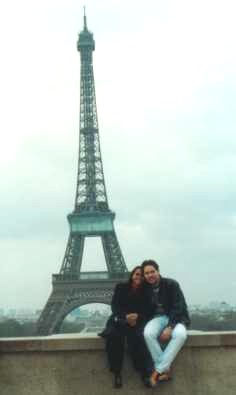
| Our first trip abroad together was in our honeymoon, in March/1997. As a newly married couple, we could have not chosen a better place to go: PARIS est simplement PARIS! Romantic and enchanting in all aspects! And, of course, go to Paris means that one must visit its most famous post card: "La Tour Eiffel". The Eiffel Tower was constructed in 1889 and is 318 meters high. From the top of it, one can see the Champ de Mars, Jardins du Trocadero, the Seine River and so on. The visit to the Tour Eiffel is an unique fleur and one must feel it to describe his own sensation of being there, looking above the "Cidade Luz". | ||||||||||||||||||||||
|
||||||||||||||||||||||
|
||||||||||||||||||||||
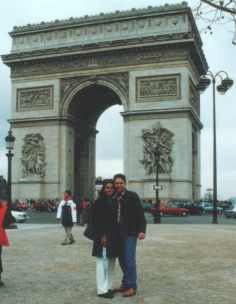
| The Arc du Triomphe is Paris' second most famous landmark. Also called "Place de l'Etoile", it is the world's largest traffic roundabout and the meeting point of Paris' 12 most important avenues. It was commissioned in 1806 by Napoleon to commemorate his imperial victories but it was concluded only in the 1830s. | ||||||||||||||||||||||
| "Place de l'Etoile" - Paris - March/1997 | ||||||||||||||||||||||
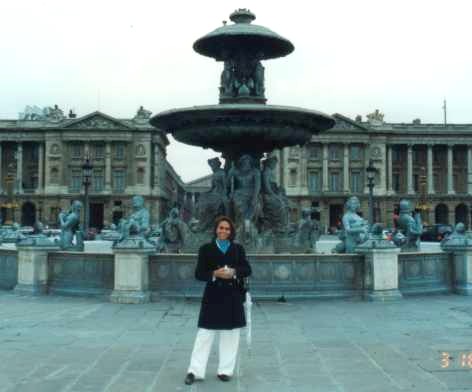
| One of the largest and most historically significant squares in Paris, the Place de La Concorde was originally named after Louis XV (Place Louis XV) and was designated as the site for which a commemorating statue of the king would be erected. A few decades later, revolutionaries seized power, renamed the square Place de La Revolution and replaced the statue with a guillotine. The square soon became the forefront of public execution and saw many famous dignitaries, such as Louis XVI, Marie Antoinette and Danton, fall victim to the macabre enterprise. After the revolution the Place would change names several times over, until it was officially dubbed the Place de La Concorde by the 1830 Revolution, a name chosen to symbolize the close of a turbulent era. The octagon-shaped, open-air square still looks quite similar to the way it did in the 1700s, save the actual ground, which now consists of tarmac and cement. Supplanting the guillotine is the powerful Obelisk of Luxor, a pink granite monolith that was given to the French as a gift in 1829 by the viceroy of Egypt, Mehemet Ali. The edifice is more than 3,300 years old and is decorated with hieroglyphics that portray the reign of the pharaoh Ramses II. Installed in 1833, the Obelisk stands 22.83 meters high in the center of the Place, dividing the Tuilerie Gardens and the Avenue de Champs Elysees. The Obelisk is flanked on both sides by two fountains constructed during the same period. | ||||||||||||||||||||||
| La Tour Eiffel Paris - March/1997 |
||||||||||||||||||||||
|
||||||||||||||||||||||
| Place de la Concorde - Paris - March/1997 | ||||||||||||||||||||||
| go to FranceII | ||||||||||||||||||||||