
Here
are some articles on Pollution to brief and educate people on what
pollution is about
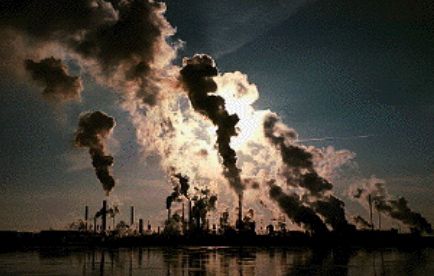 |
Pollution! You can't miss it, can you? It's everywhere... all over our planet. It makes people, other animals and plants sick and even kills them. Its making the climate change. Humans are the cause and humans will have to try and stop it. Especially you kids, because the future is yours! There are mainly three kinds of harmful pollution. Land pollution. Water pollution and Air pollution. We should rightfully prevent it to save our mother earth! |
| What
is Pollution Prevention? By making wise choices about things you are going to buy and how you are going to use them, you are preventing pollution before it happens. Pollution is anything that contaminates the environment, usually from waste (garbage or trash that is no longer of use) that is created when people use things or when materials and goods are manufactured . Simply put, pollution prevention is waste prevention. Pollution prevention means you wonft have to throw away or recycle as much. The best step you can take to make sure the environment stays healthy is by preventing pollution. After Pollution Prevention, recycling and reusing are the next best ways to handle garbage, trash and other unwanted materials. How can I prevent pollution? Always think before you buy. When you are about to buy an item, look at all the different choices and choose one with less packaging or that comes in a container that you can keep and use again. Try using cloth napkins instead of paper napkins. After one use, paper napkins become waste, where cloth can be washed and used again. Take your lunch in a lunch box or nylon bag with tupperwear instead of paper bags and aluminum foil. If you must use foil, take it home instead of throwing it away. You can use it again or recycle it! Use your head! You can come up with many smart ways to prevent pollution by always keeping in mind that its the best choice for the environment. As you can see, the easiest, safest and best ways to keep pollution out of the environment are in your hands. |
|
| What
is air pollution? Air pollution is aggravated because of four developments: increasing traffic, growing cities, rapid economic development, and industrialization. The Industrial Revolution in Europe in the 19th century saw the beginning of air pollution as we know it today, which has gradually become a global problem. An effect of air pollution is acid rain.The phenomenon occurs when sulphur dioxide and nitrogen oxides from the burning of fossil fuels such as, petrol, diesel, and coal combine with water vapour in the atmosphere and fall as rain, snow or fog. It is said that it can corrode buildings and be hazardous to human health. Because the contaminants are carried long distances, the sources of acid rain are difficult to pinpoint and hence difficult to control. Health Effects of Air Pollution: Air pollutants that are inhaled have serious impact on human health affecting the lungs and the respiratory system; they are also taken up by the blood and pumped all round the body. These pollutants are also deposited on soil, plants, and in the water, further contributing to human exposure. |
|
What
you can do to reduce air pollution Encourage your family to walk to the neighbourhood market. Whenever possible take your bicycle. As far as possible use public forms of transport. Donft let your father drop you to school, take the school bus. Encourage your family to form a car pool to office and back. Reduce the use of aerosols in the household. Look after the trees in your neighbourhood. Begin a tree-watch group to ensure that they are well tended and cared for. Switch-off all the lights and fans when not required. If possible share your room with others when the airconditioner, cooler or fan is on. Do not burn leaves in your garden, put them in a compost pit. Make sure that the pollution check for your family car is done at regular intervals Use only unleaded petrol. |
What
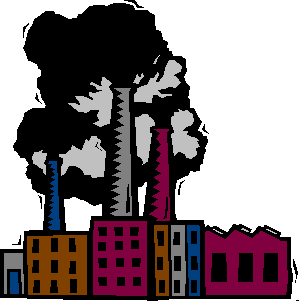
is Water Pollution! How
do we prevent water pollution? |
| Land
Pollution Land pollution is the degradation of the Earth's land through human misuse of the soil. Human influences such as poor agricultural practices, the digging up of important resources, industrial waste dumping, and careless disposal of trash continue to pollute the land rapidly. Human impact on the land plays an important role in the cleanliness and prosperity of our Earth's future. It is mainly caused by Soil Misuse, The disposal of solid wastes, deforestation. How do we prevent Land Pollution? The most common and convenient method of waste disposal: sanitary landfill. Sanitary Landfill: The sanitary landfill is a legal replacement for the open dumps. most popular for cleanliness. space for landfills is running out and alternatives must be found. |