
Fashion of your Life
.jpg) |
|
.jpg)
|
|
Introduction The infants' and children's wear business consists of hundreds of small independently owned shops and dozens of larger retail chains. Because many of the companies in this industry are privately owned, the exact size of the industry is difficult to determine. The U.S. Census Bureau's 2000 listing of 5,600 infants' and children's wear stores included only those with a payroll that totaled $700 million.
Children's wear, a relatively small market in the apparel industry, has traditionally lacked the fierce competitiveness of other clothing sectors. Even in children's specialty shops, apparel on average only accounts for 17 percent of floor space and 16 percent of sales (baby furniture accounts for two-thirds of space and revenues). From 1995 to 2001 space dedicated to children's apparel in malls more than doubled but still only totaled 2.7 percent. However, during the first years of the twenty-first century, more national brands began producing small-sized versions of their teen and adult lines and invested heavily in expanding their infant and children clothing brands.
|
Kids Clothing Collection: Trendy and comfortable
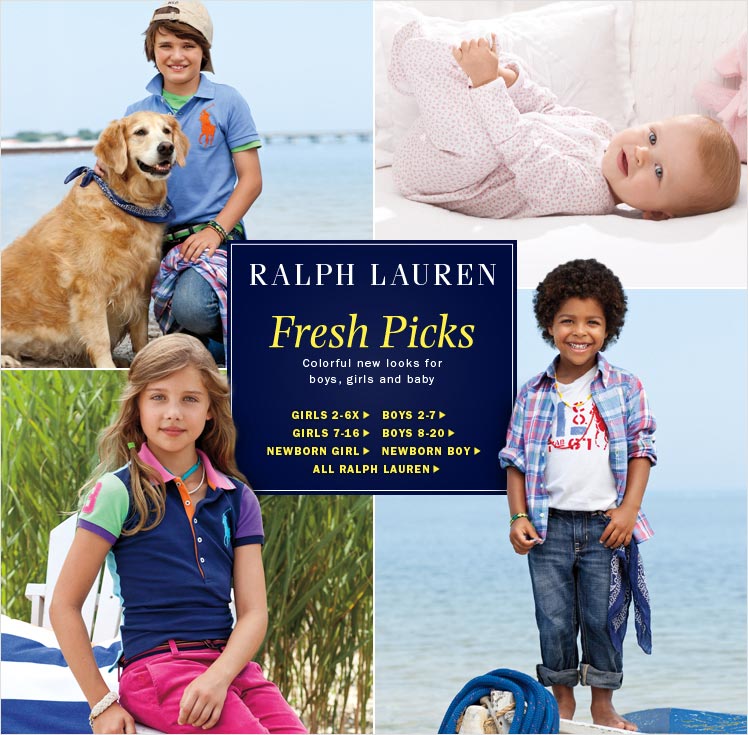
One of the simplest joys in being a parent comes from dressing them up; seeing your handiwork on them and making them look good. Today, boys clothing and girls clothing is not restricted to looking age-appropriate; some of the designs seem to adapted from the trends of womenswear and menswear, making them look a little like mini versions of their adult counterparts. Fashion of your life Philippines kids clothing collection stocks a wide variety of products for both boys and girls that are trendy and comfortable.
.jpg)