| farasG |
||||||||||||||||||
 |
||||||||||||||||||
|
||||||||||||||||||
|
||||||||||||||||||
|
|
Unfolding technology The journey of a mobile phone, ever since the development of the Nordic Mobile Telephone system in 1981, has been one of maturity and steep, precipitous at times, development. The brick of a phone that was once witnessed in people’s pockets is now barely visible when held next to the ear (providing you either love your phone too much or not a Bluetooth fan). The prefix accompanying the letter ‘G’, depicting the advancement of technology we are in, goes through an increment on a regular basis. What started off as a practice of keeping oneself available to the world via voice has now developed into a fully functional office desk, only portable.
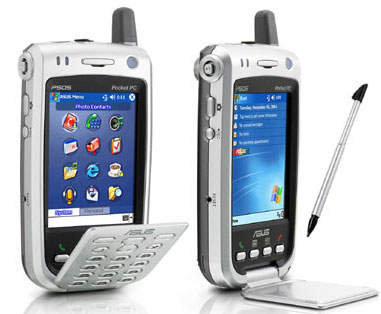
With the advancement of Miniaturisation, a continuing trend in technology toward ever-smaller scales for electronic devices, the phones slimming down and headed to users’ palm as handhelds, away from residing permanently in vehicles. Analogue signals were digitised. With the phone dimensions reducing considerably, its appeal went out further even to those who did not actually need a phone but wanted one. The mobile phone of today comprises of technology that probably was not even thought of in the 1980s. The increase in the amount of phone memory enabled users to store contacts and messages at will and allowed them to use the phone as a personal organiser. That gave rise to data transfer from the phone to a computer, and later from phone to phone, as means of backup and sharing. The transfer which was done via cables initially was carried out via Infrared (transmitting data via infrared light waves) in the early 1990s which then moved onto a faster method called Bluetooth. This latest technology (latest in the series available) enables exchange of information between devices such as mobile phones, laptops, PCs, printers, digital cameras and video game consoles via a secure, short-range radio frequency. With the majority of new phones hitting the market equipped with video capturing and voice recording capability as well as a built-in camera, that at times outclasses the dedicated digital cameras in the market, Bluetooth provides the transfer medium. And to enable users to capture those moments, phones are now manufactured with memory card slots allowing stacks of space on the little thing itself. Increased storage prompted users to download more and more things onto their phones. GPRS service that became so popular in the late twentieth and early twenty-first century was followed by a digital mobile phone technology called EDGE that allowed for increased data transmission rate and improved data transmission reliability. EDGE was introduced in the United States during 2003 (its Pakistan release came in 2006) and allowed up to four times faster-than-GPRS data transfer. This allowed an even faster download speed, emails and internet surfing. The steep rise in mobile phone technology and its add-ons such as built-in camera and voice recorder supplemented the rise of citizen journalism and amateur photography. Users snap news-worthy photographs straight from the phone’s camera and send it to news websites and companies off their phones again. Cameras are now over 3.1 megapixels, have optical zoom and the phone is equipped with photo and video editing software that simply allows the whole news story to be produced and sent on the handheld. Following this trend, Scoopt invites mobile phone users to send in news-worthy photos taken from their phone cameras which in turn are sold to the press with the sender getting paid for the efforts. A deal between YouTube and US mobile firm Verizon Wireless will see the popular video-sharing website extended to mobile phones. Users who subscribe to Verizon's Vcast service will be able to view content on the YouTube website via their mobiles. O2 in the UK has launched LookAtMe which allows users to download video clips posted by other users and 3’s Kink Kommunity, in the UK again, sees thousands of postings each day. Football highlights are delivered to subscribed users straight on their handset while soap-lovers can watching selected episodes on their 3G-enabled phone as well. Amongst various practical uses, the idea of a virtual wallet was successfully implemented in Japan that allowed users to store their card details on the phone itself. Shopping for groceries, renting a video, buying a drink, or going to the theatre can all be done now through the phone. The user needs to do is “charge” their Edy-enabled (the name given to the technology) handset with up to 50,000 yen and put your mobile against the reader-writer and the goods are yours. Although not everyone’s favourite due to security and privacy concerns, it is a peek into how our lives are shaping up to revolve around what once was a portable telephone. Phone manufacturers started applying PDA functions to new mobile phone eliminating the need to carry both devices. With the introduction of touch-screens, increase in screen size (helpful for viewing videos as well), the additional storage space and various software now available, the PDA phone proved a great success and it was not only the business users that thronged to get their hands on the latest offering. Judging by the number of mobile phone related entries making the news today, it is evident that a few years from now, the phone, the services, the technology and even the use of a mobile phone will be completely revolutionised. It has already pushed aside, albeit neatly, FM radios, MP3 players, address books, PDAs and even wallets. The manner in which these acts were carried out, it is only time that will deliver to us the face of the ever-changing mobile phone in the coming years. We, in Pakistan, however, will have to wait extra long to witness those effects on our own streets due to the usual delay in implementing technology in Pakistan. © Faras Ghani 2009. Published in Spider January 2007 |
|
|
||||||||||||||
|
||||||||||||||||||
|
|
|
|
|
||||||||||||||
|
||||||||||||||||||
| © 2009 Faras Ghani. Page template courtesy of ELATED.com. Last updated 12th May, 2009. |
||||||||||||||||||

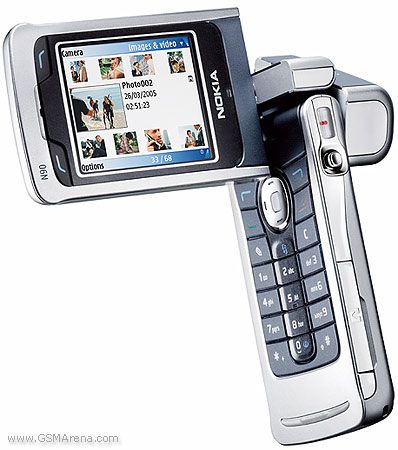 Modern mobile phones, labelled 1G (first generation), were introduced to the consumers in the 1980s. These phones worked on analogue signals, similar technology to that of the radio, with the twig of an antenna sticking out. A lot of these phones were fixed onto dashboards and were labelled car-phones instead of mobile phones. The only usage of that device was to make and receive voice calls.