| farasG |
||||||||||||||||||
 |
||||||||||||||||||
|
||||||||||||||||||
|
||||||||||||||||||
|
|
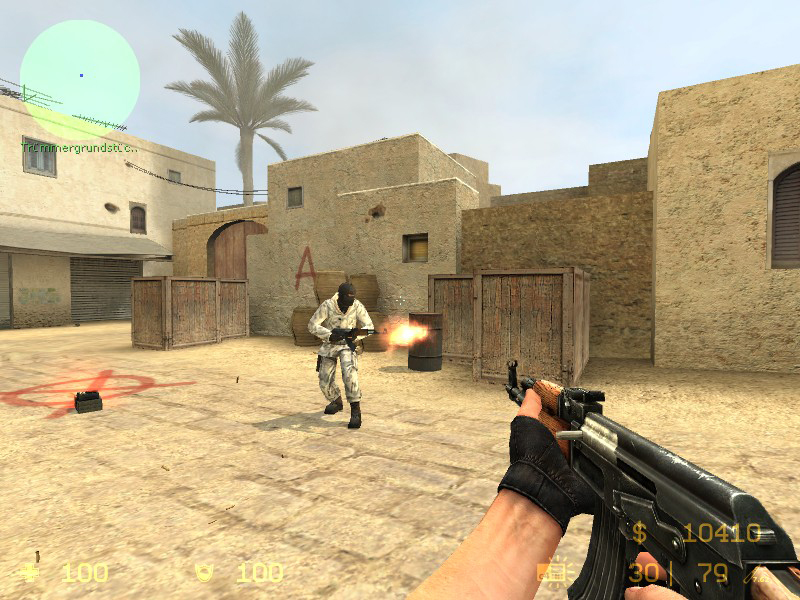
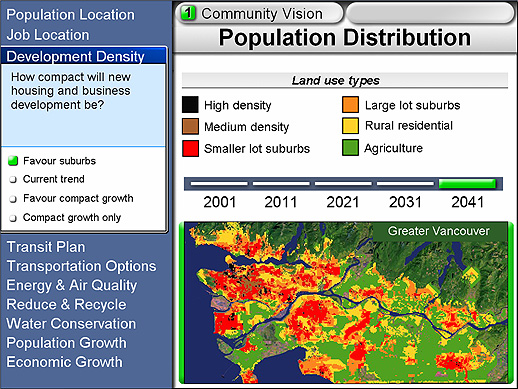
Games as learning aids Computer games have been a channel of entertainment and a source of dawdling ever since they were first designed. From the days of Pac-Man and Pong, through the Dangerous Dave and Digger generation and in the more enticing and absorbing days of Prince of Persia, King’s Quest and the various Monkey Island storyboards, computer games were never honoured with anything but the few spare hours that lingered around mid-afternoon or late nights. It was only with the advent of role-playing games such as Doom, Quake and Half-Life that PC gaming was looked upon as something more than just a jaded teenager’s hobby. The graphics had been massively improved, user involvement in the game captivatingly spiced up and the storyline and ammunition redesigned to suit the youth. Instead of sifting through treasure chests and browsing pawn shops to decide what sword would get one far or collecting diamonds while evading the numerous species that made your life hell, the player now had AK-47s and pistols to point at approaching enemy and save virtual lives. Endless practice was required to sharpen sniping skills and ensure that the one chance to shoot something does not go to waste. That, in turn, required the user to be chained to the computer chair until the clock struck some ugly hour of the morning. Brain cells would churn, knowledge would be shared and effective teamwork would be coordinated, but how helpful was this to us in real life? One school of thought argued that violence in the virtual world kept our youth away from enacting the same on the streets or getting involved in other useless traits but society demanded something more. Something that would keep users involved but also educate them. In an unprecedented move, the legendary computer game SimCity was used as a basis for a program that would enable city planners and authorities to predict what a particular city would look like in the future. Real life was being mapped onto virtual life. Data gathered by the authorities is entered into MetroQuest, a software created by Canadian programmers that allows virtual ‘decisions’ to be made and simulates various factors that might affect the city's environment, infrastructure, economy and other such variables. The programmers can then view the changes that will take place in the city over the next 40 years. Population location, housing density, transport system, the state of the economy and other dynamics can be altered for different outcomes. The software has already been used to ‘predict’ the future for cities such as Manchester in the United Kingdom and Bali in Indonesia. Such a tool, placed in the hands of ordinary citizens, may enable them to realise and understand the importance of conserving fuel, curbing pollution and the effects of over-population. Similarly, it was with the intent of raising awareness among the ordinary public that led to the creation of an online game called Darfur is Dying. Darfur, in Sudan, is an area devastated by conflict and violence. The region has seen thousands of people killed and more than two Educational computer games have also been implemented in classrooms to allow students to comprehend lessons in a somewhat less painful manner. In fact, in some schools computer games have become part of the required curriculum and special hours are set aside where the material and concepts are delivered to the students by allowing them to indulge themselves in the games. Software such as Math Blaster, Word Zapper and Kidspiration were great hits among parents and teachers as they not only provided supplementary teaching tools but also a fun and enjoyable learning environment for children. Keeping the same idea in mind, a research team at the Illinois Institute of Technology designed, developed and produced a learning game for teenagers that engaged and motivated them to learn more about the basics of credit card use. CreditSafe allowed users to select credit cards, use them in real life scenarios and compete with other players without the risk of using their own money. Along with making purchases, the game also required players to manage balances and use bank accounts to pay them off. CreditSafe supplemented classroom lessons on credit card usage and taught linguistics, logical mathematics (late payment fees, annual percentage rates and grace periods), interpersonal activity (between players), intrapersonal activity (between player and the game) as well as teaching mouse and keyboard usage.
The technology used in other role-playing games is purely fictitious and that, in effect, provides a peek into the future: paving the way for real life in the present to be mapped onto a game’s database to predict how we will fare if things go according to plan, or not. Such methods allow authorities to plan accordingly, allocate funds and resources as and where required, devise an appropriate safety and contingency plan to face probable mishaps and issue warnings in case a devised plan of action instigates a negative impact a few years down the line. It must, however, be remembered that games and such technology merely predict the future without taking natural disasters and calamities into account. Real life does not have an undo button. Therefore, technology cannot be blamed for occurrences outside of human hands. It can, however, teach your kids how to add and subtract or how to handle bank accounts and credit cards safely.
|
|
|
||||||||||||||
|
||||||||||||||||||
|
|
|
|
|
||||||||||||||
|
||||||||||||||||||
| © 2009 Faras Ghani. Page template courtesy of ELATED.com. Last updated 12th May, 2009. |
||||||||||||||||||

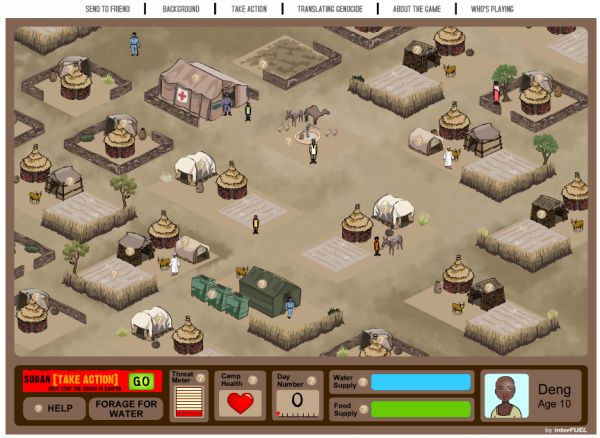 million displaced from their homes. Even with such appalling statistics, not many people are aware of where Darfur is on an atlas, leave alone know about the violence that is currently ravaging this part of the globe. It was decided that an online game, available to the world at no cost, might help serve the awareness issue in the form of light entertainment. A University of Southern California graduate came up with the Darfur is Dying idea. The game allows the user to select a character who is then assigned the task of fetching water for a refugee camp. While on the mission, the user sprints along a barren landscape while clutching empty containers and dodging military trucks. Return to the camp with water and you win the game. The unlucky ones get caught by the army and meet different outcomes: get kidnapped and killed or face rape and abuse. The game not only teaches players about Darfur’s geography and the state of the conflict, but also the kind of conditions residents are living in and the problems they face daily in order to survive.
 Games are a form of fun and enjoyment for all those who become part of it. They have rules and goals that give users a structure and a form of motivation and, in the pro-gaming evolution, have become increasingly interactive. The bond between teenagers and computers is greater than any other learning medium present in classrooms or at home. Therefore, the immediate impact of learning on the human brain may be greater and more effective than reading a book or listening to a lecture.