| farasG |
||||||||||||||||||
 |
||||||||||||||||||
|
||||||||||||||||||
|
||||||||||||||||||
|
|
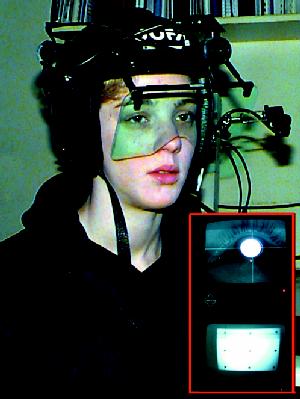
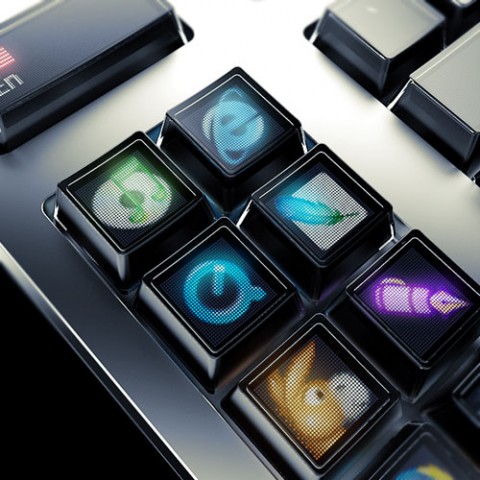
Easy input Back in the old days, data input was via keyboards only. With the introduction of graphic design software and the advent of computer games, hardware developers came up with the mouse and the joystick. This equipment, suffice for the average user carrying out routine tasks, had limitations and restricted the adventurous users to a selected array of operations. Changing times brought upon us a range of modified equipment including keyboards and mice as well as other types of hardware. This was due to the increase in options required, shortcuts while using the internet, issues regarding repetitive strain injury (RSI) and of course, colour and style demands from the users. With multi-core processors and optical fibre, there are plans to transform the existing input-method range into something complementing the super-quick processing world. Starting with keyboards, there are plans for them to display a certain character or picture instead of normal text and numbers. This would stop users worrying about country-usage, different between PC and Apple keyboards, or whether it has music shortcut keys or not. To reduce RSI-related cases at home and work, ergonomically designed keyboards are continuously being designed and often have unusual sculpted or contoured shapes and a space age look. There will be instances where some of these keyboards being provided with foot pedals while other keyboards designed to take advantage of the strength in the thumbs. There is a prototype for a future mouse being developed that can sense when the user touches or releases the mouse. It can be used to adapt the user-interface depending on what the user is doing. For example, toolbars will fade out when the mouse is sitting idle. As well as performing normal duties, it is also capable of sensing motion in three-dimension (3D). Improvements are being made to the optical mouse, a device with no moving parts, and the combination of the optical feature and wireless capability has made it immensely popular. Voice recognition as an input method has recently surged ahead of other methods purely due to the increase in accuracy. The new speech technologies in Windows Vista, which will be available in eight languages, will allow users to interact with their computer by voice and dictate documents and e-mail messages in mainstream applications, fill forms on the Web, and command applications. Voice-input is also believed to feature in upcoming gaming titles and will allow user-commands to be carried out instantly thus elevating the game-play to previously-untouched heights. Computers of the future will also be controlled by eye-movements. An eye-tracking technology analysing the way things are viewed is to be released shortly. The test-system which is already in place, allows users access to computer technology using only their eyes. It runs in the background while the user is working with standard applications and allows the user to place the mouse pointer anywhere on the screen simply by looking at the desired location. The process of “clicking” can be done with an eye blink, a hardware switch, or by staring. Brain waves of a human can be measured by wires in a cap placed on the outside of the skull. Hardware and software is being developed to translate a person’s brain waves into computer movement while the person talks to the computer by wearing special equipment and without moving any limbs. Breakthroughs in the gaming-world are taking place as well when it comes to input devices (or controllers in this case). The latest comes in the form of the controller for Nintendo Wii. Connecting to the console via Bluetooth, the controller allows the user to play the game not only via the buttons but also by moving the controller in the air as and when required. To play tennis, swing the controller like a racket or in baseball, swing it like a bat. In addition to the main controller there is the Nunchuk accessory. This combination could replicate the use of a sword in one hand and a shield in another. Similarly, Sony has come up with its own latest controller supplied with PS3 (released in November). It lets you shake it around to play via the six axis of movement that enables gamers to move it around like a steering wheel, rotate it numerous times, shake it, or pull it up and down even.
The process of input forms the first part of the data processing cycle. It is an integral part of the whole process. Increasing efficiency and making the hardware more user-friendly, while catering to users from all around the world, will result in faster processing and quicker outputs. It is no wonder that banks, supermarkets, telephone helplines and offices are implementing new methods on a daily basis. There are, of course, no limitations when it comes to human creativity. |
|
|
||||||||||||||
|
||||||||||||||||||
|
|
|
|
|
||||||||||||||
|
||||||||||||||||||
| © 2009 Faras Ghani. Page template courtesy of ELATED.com. Last updated 12th May, 2009. |
||||||||||||||||||

 Data-gloves enable users to enter commands without typing, using a mouse or saying anything. Users can put on the gloves and draw, or write, in the air and with the help of cables attached to the gloves the image formed will then be replicated on-screen. There are plans to make data-gloves for mobile travellers thus reducing the need to carry mini-keyboard (including the infra-red keyboard or travel mouse) by just donning the data-glove and typing away.