 |
 |
 |
 |
 |
 |
 |
 |
| . |
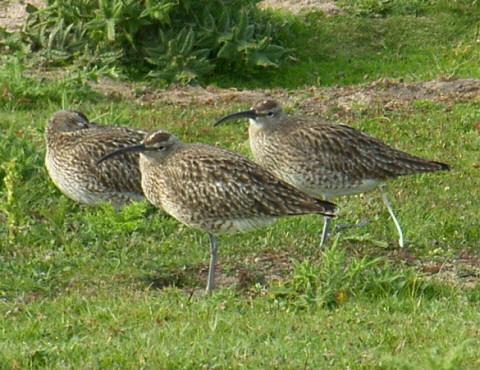
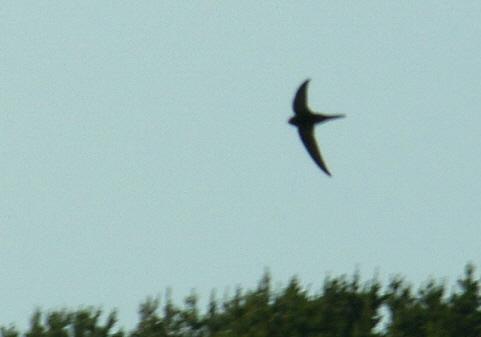
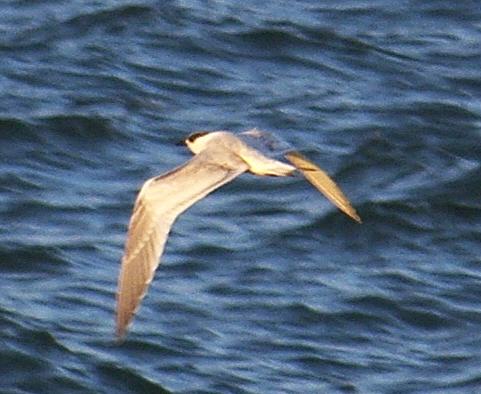
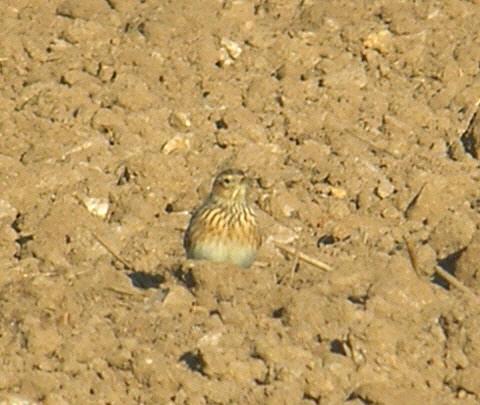
| Swanpool Area - This area holds great potential for spring rarities and is suprisingly underwatched. The adjaceny to the sea means migrants such as Sandwich Tern will be picked up from late March onwards. There is good chance of something a little rarer perhaps Arctic or Roseate Tern. White Wagtails are common into April along the beaches. Given prolonged southerlies, seawatching at this time of year has produced Arctic Skuas on their way north to breed. The reedbed fringing Swanpool lake is home to breeding Sedge Warbler and they can be heard from mid-April along with their reedbed brothers; the Reed Warbler but the latter is more scarce here. Swanpool Golf Course just west of Pennance Point holds the best opportunity in the are for Wheatears and perhaps the odd Ring Ouzel. The latter can arrive in late March but main passage is usually in April. This would be a great find for the Falmouth area as very few have been recorded for unknown some reason. Pennance Point is worth a look as this is where the first Whimbrel in the area often turn up first around mid-April. College + Argal Reservoirs - These two lakes just west of Penryn Town are underwatched and can be very muddy to walk at this time of year but recent patching here has produced many one off-records. Sedge Warbler (in early May), Common Sandpiper (in April), Whitethroat (in April and stay on to breed), White Wagtail (overhead in April), Skylark (late-march passage begins), and Meadow Pipit (large number from late-march onwards) all at Argal Reservoir. College Reservoir gets a different range of spring migrants. One of the most spectacular congregations in the are consists of a massive flock of Sand Martins. This happen usually in late March and can involve over 400 birds. Other water bodies in the area get large flocks but none can match the spectacle of College res. Other hirundines are often mixed in, including House Martins, Swallows but the Swifts don't arrive until ealry May. Hobby has been seen in May and Osprey many years ago but must go under-recorded. |
 |
 |
 |
|
|
| Welcome to the spring article covering Falmouth, Stithians, Maenporth, St.Mawes, and any other good birding spots within a 6 mile radius of Falmouth. Hope you find it interesting but please e-mail me if you have any advice etc. Thanks. |
|
| Spring 2008- Where to look and what to look out for in spring migration! |
| . |
| Spring; one of the most exciting times of year for the birder. Falmouth offers some good opportunities to catch up with some early migrants at some of the best spots in the country. Rare migrants are also a possibility so hopefully after reading this article all Falmouth birders and visiting birders will be equipped and ready to 'migrant find'! This article will deal with the best migration spots in turn, giving information on migrant dates and directions to particular hot-spots. Stithians Reservoir - The lake gets some of the earliest migrants in the UK each spring with Sand Martins usually popping up first in early March. As I write this article, 100+! have been reported over the southern cut-off, the first for 2008 here. This is also one of the best spots to find yourself an early Wheatear which follow hot on the heels of prematurly arriving Sand Martins. The best spots for Wheatear are the surrounding fields to the res. or if the water levels are low, near the edge of the water. Willow Warbler often calls in to Stithians early on with 1 keen fella being seen in early March at the southern cut-off in 2008. Waders don't hang around long on spring migration so an early morning visit might reap rewards with a Common Sandpiper or later on in March, a Green Sandpiper on the causeway at the northern end of the res. More and more common migrants pass through the area in April and towards the end of the month Cuckoo and Lesser Whitethroat may be found in fields hedgerows around the res. These are two rather special spring migrants for the area which stay on the breed. Rare spring migrants at Stithians Res. in the past have included the vagrant Ring-billed Gull most years (one is still present in March 2008), Red-necked Grebes on their way north, the short staying Garganey, and Yellow-legged Gulls. Autumn is undoubtedly better for rare migrants but there are few moments as great as seeing the first returned Sand Martins for the year. For more info on how to reach the reservoir check out the 'places to visit' guide. Whinchat amongst the resident Stonechats can be found on the moorland nearby but are difficult to catch up with on spring migration. |
|
|
Events around Falmouth in the coming months - For more events outside the area of Falmouth please visit the CBWPS and CWT websites which can be found on the 'links' page. For more info feel free to e-mail me at henerz1 (AT) yahoo.co.uk (substitute AT for @ though and no spaces in the address). Thanks. |
|
| . |
| Devoran Creek - There's little info for me to go on with regards to this tidal creek near Carnon Downs (to the north of Falmouth) but Devoran povides the best chance of spring waders in the form of Knot, Bar-tailed+Black-tailed Godwits and perhaps something more special, a Little Stint or brief Curlew Sandpiper but these can be erratic in occurance. Mid tide is best here, say with the tide rising, then this pushes all the waders closer, making it easier to pick out those Whimbrel from the Curlew in Apil. Nearby is Carnon Downs sewage works which could hold Yellow Wagtail and some interesting early warblers such as Blackcap and Chiffchaff but beware as these last two overwinter in the area now! Rarities - These birds are just as likely to be found flying over your back garden as hot-spot sites. In the last few years they have included 17 Glossy Ibis (2007), Red-rumped Swallow (2006), Laughing Gull (2006), Lesser Scaup (2006), Ring-necked Duck (2006+07), Purple Heron (2006), Black Kite (2005), G.W.Egret (2004) and Humes' Y.B.Warbler (2004). |
|
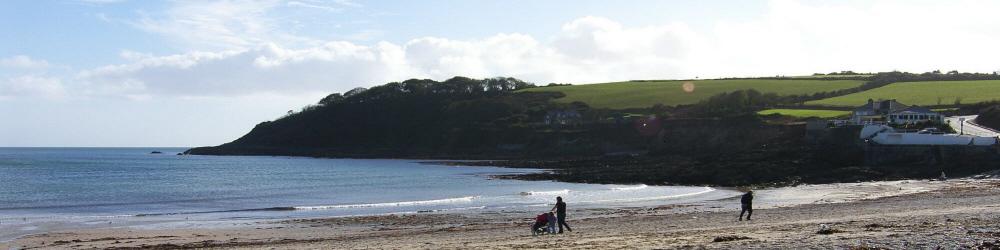
| I hope this article has showed the diversity and range of spring migrants to be found in the Falmout are. As ever, my advice is to get out there and find stuff! Visiting some of the sites mentioned will improve you chances of connecting with tricky spring migrants, and don't be put off if you don't catch up with them in Spring, you'll get a whole chance again in the Autumn migration window. It isn't just the rare migrants which provide interest and awe at this time of year. The sight of large flocks of finches buzzing overhead or Skylarks twittering as they fly north-east probably having just migrated from Spain will add a special sense to the birding at this exciting time of year. Finally, there are many migrants which I haven't been able to go into deatilon, or even mention, so always expect the unexpected! Below is Swanpool, looking towards Pennance Point. Cehck this area out for Ring OUzel in April! |
|
|
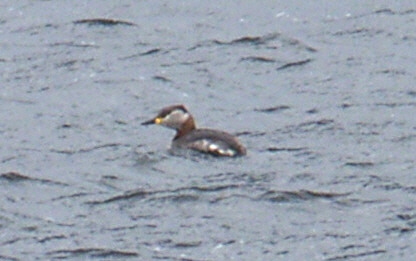 |
| Red-necked Grebe |
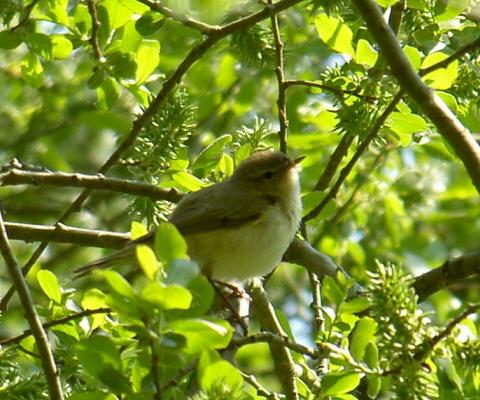
| Chiffchaff |
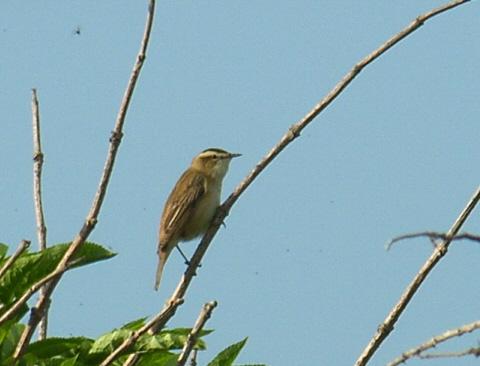
| Sedge Warbler |
| Sandwich Tern |
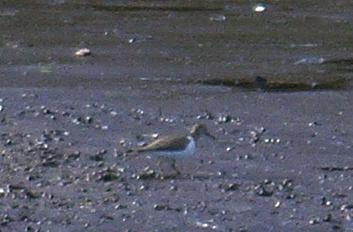
| Common Sandpiper |
| Skylark |
| Whimbrel |
| Swift - a late spring migrant-arriving in May |