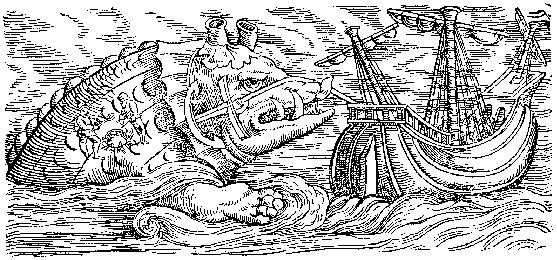

The great galley ships were introduced circa 1290. They were 120 to 150 feet in length and could sail a crew of over 200 men. Sails replaced oars as the source of propulsion. Italy had 40-50 galleys at a time. Slavic immigrants were usually oarsmen. There were 20-30 bowmen, and the oarsmen were also armed.
The Italians were the first to equip their ships with cannons. This was done by the Genoese in the early 14th century.
To show how valuable ships were, while Venetian merchants were willing to loan the English kings money, they refused to lend their galleys.
The Republic of Venice ruled trade in the 14th and 15th centuries. Their shipping fleet was superior to anything else.
Their 45 galleys sailed to Flanders (now Belgium), Beirut, Black Sea, Alexandria, France and England (London and Southampton). They also transported pilgrims to Jaffa in the Holy Land. Venice also had ambassadors in trade cities.
High safety regulations kept everything running smoothly:
Since the galleys lasted only ten years they were inspected periodically and replaced if needed.
A law stated that the crew must be at least 210 men, at least 20 of which were bowmen. Others were armed also.
The crews conduct was also regulated.
There was a physician and surgeon on board.
There were also two fifers and two trumpeters.
In the 15th century Ottoman Turks took a bite out of Venetian East-West trade. Venice was forced to send more ships eastward along with more men, and spend more money for defense and war.
Shipbuilders of the Venetian Arsenal:
The workmen were known as the Arsenalotti. Their skill and rank, from the least:
the stevedores, helpers and unskilled laborers.
sawyers and caulkers
pulley-makers and mast-makers
the ship carpenters
The Venetian Arsenal was so adept there were able to build 100 galleys in two month, when needed for war against the Turks in 1570. To impress the visiting king of France, they were able to construct a warship in one hour. Also coming from the Arsenal was cloth, glass and leather.
There be monsters on the land,
And you can find them at:
in the sky,
and in the sea.
godecookery.com
a site of medieval life, art and cookery!