Part Two
I saw in the distance
A light shining bright
I went a step closer
It touched me with delight
.... from poem "Flying Free" by Nancy Baughman
Breeding Moss Roses
- A Picture Story
No mere words can possibly convey the full story of the development of
modern everblooming Moss Roses. With this in mind I have attempted to more
graphically tell this story in a series of black and white photos. These
twenty-nine illustrations, plus others in full color, will in some measure
make the story of "The Breeding and Development of Modern Moss Roses" come
alive.
While much of the story has been told in the preceding pages, I shall
attempt in this portion to comment briefly on each photo and give a bit of
the background where possible. Also, in the three family tree diagrams I
have attempted to give some family history and show some of the "ROOTS"
from which these new moss rose varieties have sprung.
To easily identify each illustration I have given the variety name where
possible or the code number under which the variety has or is being grown.
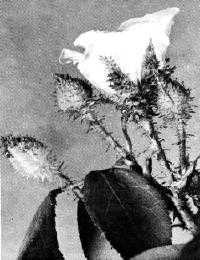 Fig 1 — #7-58-1 (Pink Moss). This is a cross of the red floribunda
variety Red Ripples x O.M. (see text). It is an
everblooming, bush type, floribunda rose which grows into a sturdy bush up
to 3 feet tall. Buds are well mossed and open into 3" medium pink flowers
with about 20 petals. This was an important step in the breeding of
several of the new moss hybrids.
Fig 1 — #7-58-1 (Pink Moss). This is a cross of the red floribunda
variety Red Ripples x O.M. (see text). It is an
everblooming, bush type, floribunda rose which grows into a sturdy bush up
to 3 feet tall. Buds are well mossed and open into 3" medium pink flowers
with about 20 petals. This was an important step in the breeding of
several of the new moss hybrids.
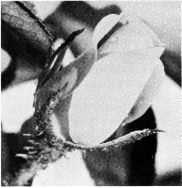 Fig 2 — The code on this important beginning is O.M. (since the
original code number was lost). O.M. is a cross of H.T. rose
Mark Sullivan x Golden Moss and is a very vigorous plant
growing up to 10 feet tall with heavy, very thorny canes. The slender buds
are quite well mossed and change from a bright orange blend to an orange
pink (or pink blend) in the mature flower. Bud and flower are H.T. form.
Spring bloom only.
Fig 2 — The code on this important beginning is O.M. (since the
original code number was lost). O.M. is a cross of H.T. rose
Mark Sullivan x Golden Moss and is a very vigorous plant
growing up to 10 feet tall with heavy, very thorny canes. The slender buds
are quite well mossed and change from a bright orange blend to an orange
pink (or pink blend) in the mature flower. Bud and flower are H.T. form.
Spring bloom only.
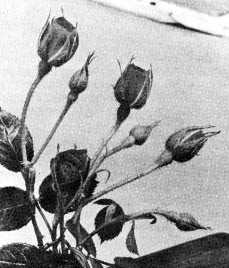 Fig 3 — Fairy Moss was the first of the miniature moss roses. Bud
and flower are bright medium pink and are produced all season long on a
very bushy plant. while this first miniature moss rose is only lightly
mossed it is of value not only for its abundance of flowers but also sets
seeds readily and so has value for breeding. Parents: #12-59-10 x
New Penny.
Fig 3 — Fairy Moss was the first of the miniature moss roses. Bud
and flower are bright medium pink and are produced all season long on a
very bushy plant. while this first miniature moss rose is only lightly
mossed it is of value not only for its abundance of flowers but also sets
seeds readily and so has value for breeding. Parents: #12-59-10 x
New Penny.
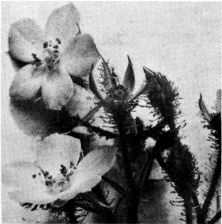 Fig 4 — Kara was the first really mossy miniature rose. This came
about as a seedling of Fairy Moss x Fairy Moss. The low,
very compact plant covers itself with tiny very mossy buds, borne singly
but often in clusters, which open into 5 petaled 1.25" rose pink flowers.
Blooms recurrently all season.
Fig 4 — Kara was the first really mossy miniature rose. This came
about as a seedling of Fairy Moss x Fairy Moss. The low,
very compact plant covers itself with tiny very mossy buds, borne singly
but often in clusters, which open into 5 petaled 1.25" rose pink flowers.
Blooms recurrently all season.
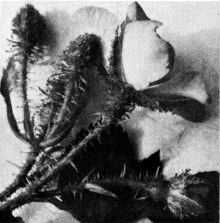 Fig 5 — #34-69-15 (Fairy Moss x #2-63-5) This is no
doubt the most mossy of these moss roses grown to date. It often comes
even more mossed than the photo shows. The flower is about two inches in
diameter with 8 or 9 medium red or deep pink petals. Constant repeat bloom
on a low bushy plant. Seems to set no seed and give pollen only
reluctantly. However we have used it with success, being the pollen parent
of Dresden Doll.
Fig 5 — #34-69-15 (Fairy Moss x #2-63-5) This is no
doubt the most mossy of these moss roses grown to date. It often comes
even more mossed than the photo shows. The flower is about two inches in
diameter with 8 or 9 medium red or deep pink petals. Constant repeat bloom
on a low bushy plant. Seems to set no seed and give pollen only
reluctantly. However we have used it with success, being the pollen parent
of Dresden Doll.
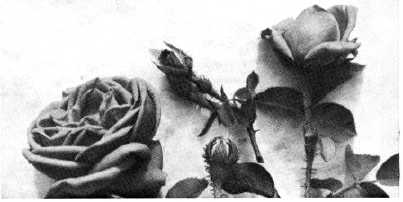 Fig 6 — #78-62-6. (Cocorico x William Lobb) This
one makes a shrub or low climber up to about 5 feet. Not too vigorous a
grower but it will send out occasional repeat bloom. The bud is well
mossed and opens into a double red flower about 2.5 inches across.
Produces pollen and seed so may be useful in future breeding.
Fig 6 — #78-62-6. (Cocorico x William Lobb) This
one makes a shrub or low climber up to about 5 feet. Not too vigorous a
grower but it will send out occasional repeat bloom. The bud is well
mossed and opens into a double red flower about 2.5 inches across.
Produces pollen and seed so may be useful in future breeding.
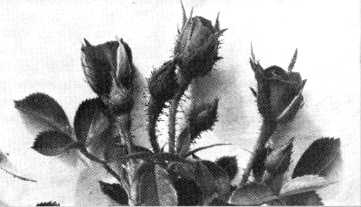 Fig 7 — Seedling. Makes a small bushy plant, fairly mossed buds with soft
red color. Similar to a number of seedlings under test. Parentage:
Fairy Moss x Rougemoss.
Fig 7 — Seedling. Makes a small bushy plant, fairly mossed buds with soft
red color. Similar to a number of seedlings under test. Parentage:
Fairy Moss x Rougemoss.
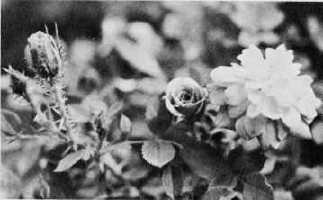 Fig 8 — Seedling. Another miniature moss from Fairy Moss x
Rougemoss. A fine example of some of the newer miniature moss
seedlings.
Fig 8 — Seedling. Another miniature moss from Fairy Moss x
Rougemoss. A fine example of some of the newer miniature moss
seedlings.
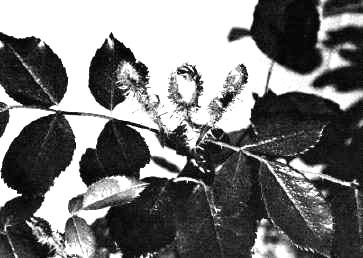 Fig 9 — #20-73-84. Fairy Moss x Goldmoss. This
is an interesting plant in that it is not only heavily mossed but it has
very glossy foliage. Also note the marking (stippling) on the leaves.
This phenomena shows up on very heavily mossed varieties and further
indicates that the "moss" characteristic is present in every part of the
plant. Bushy plant to 2 or 2.5 feet; 10 petaled orange-pink 1.5"
flower.
Fig 9 — #20-73-84. Fairy Moss x Goldmoss. This
is an interesting plant in that it is not only heavily mossed but it has
very glossy foliage. Also note the marking (stippling) on the leaves.
This phenomena shows up on very heavily mossed varieties and further
indicates that the "moss" characteristic is present in every part of the
plant. Bushy plant to 2 or 2.5 feet; 10 petaled orange-pink 1.5"
flower.
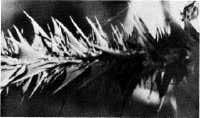 Fig 10 — #9-62-97 Very thorny canes are characteristic of all
F1 seedlings (H.T. or Floribunda x old moss rose) which have medium to
heavy moss on buds. Such plants are inclined to be of vigorous upright
growth and spring flowering only. this particular plant grows to 12 feet
and produces an abundance of well shaped flowers in a pink/yellow blend.
A cross of Little Darling (floribunda) x #12-59-10.
Fig 10 — #9-62-97 Very thorny canes are characteristic of all
F1 seedlings (H.T. or Floribunda x old moss rose) which have medium to
heavy moss on buds. Such plants are inclined to be of vigorous upright
growth and spring flowering only. this particular plant grows to 12 feet
and produces an abundance of well shaped flowers in a pink/yellow blend.
A cross of Little Darling (floribunda) x #12-59-10.
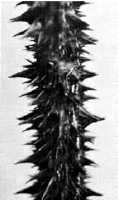 Fig 11 — #25-59-7. Another sample of the thorns on main cane of an
F1 hybrid: (Schoener's Nutkana x Christopher Stone) x
O.M. This plant is especially interesting as the variety,
Schoener's Nutkana was made by crossing the species R.
nutkana with the old H.P. variety Paul Neyron. I pollenized
Schoener's Nutkana with the H.T. variety Christopher Stone
to produce a shrub rose having flowers similar to Christopher Stone
but lighter red color which set many large seed hips. When this seedling
was crossed with O.M. (moss) #25-59-7 resulted. Buds are
well mossed and open into 10 petaled 3" flowers in an unusual blending of
rose pink and yellow. Produces seed and pollen so may be of value in
breeding.
Fig 11 — #25-59-7. Another sample of the thorns on main cane of an
F1 hybrid: (Schoener's Nutkana x Christopher Stone) x
O.M. This plant is especially interesting as the variety,
Schoener's Nutkana was made by crossing the species R.
nutkana with the old H.P. variety Paul Neyron. I pollenized
Schoener's Nutkana with the H.T. variety Christopher Stone
to produce a shrub rose having flowers similar to Christopher Stone
but lighter red color which set many large seed hips. When this seedling
was crossed with O.M. (moss) #25-59-7 resulted. Buds are
well mossed and open into 10 petaled 3" flowers in an unusual blending of
rose pink and yellow. Produces seed and pollen so may be of value in
breeding.
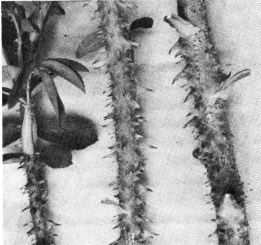
Fig 12 — #25-59-7 (same as above) showing the moss thorns on same
plant but a younger stage of growth.
| |
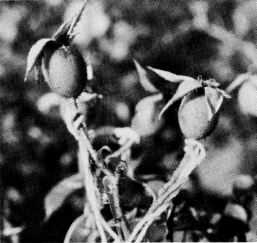
Fig 13 — Fairy Moss showing seed hips. Note the hairs on hips and
moss on sepals.
|
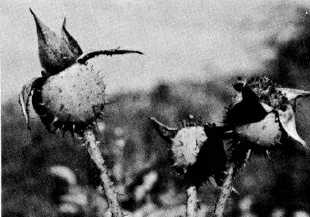
Fig 14 — Seed hips from a floribunda bush type plant; produces pollen and
seeds so may be useful in breeding H.T. and floribunda type moss roses.
Parents Queen Elizabeth x #7-58-1 (Pink Moss).
| |
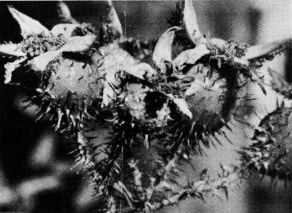
Fig 15 — Seed hips on #16-62-A, an F1 moss hybrid: Little
Darling x #12-59-10. Abundant spring bloom; red blend with
about 10 petals. Produces pollen and seed hips.
|
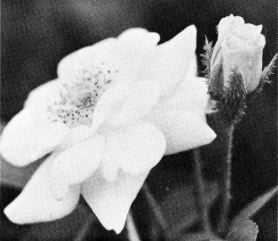 Fig 16 — #81-70-9 An interesting selection having well mossed buds
and well shaped 2.5 inch flowers with about 18 petals. Very bushy plant to
about 2.5 feet. Blooms all season. Pale pink color. Parents of this are
Gabriel Noyelle x #2-63-5.
Fig 16 — #81-70-9 An interesting selection having well mossed buds
and well shaped 2.5 inch flowers with about 18 petals. Very bushy plant to
about 2.5 feet. Blooms all season. Pale pink color. Parents of this are
Gabriel Noyelle x #2-63-5.
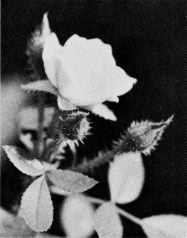
Fig 17 — #11-75-50 Little Darling x Dresden Doll.
Small mossy buds open into 20 petaled soft pink 1.25 inch flowers. Healthy
foliage on a spreading bushy plant up to 2 feet tall and as wide.
| |
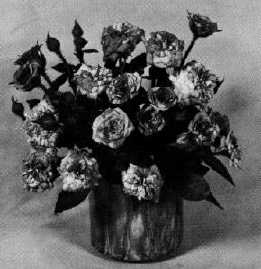
Fig 18 — Strawberry Swirl, a new variety for spring of 1978.
Fairy Moss. Plant rather spreading and may grow to two feet or more
tall and wide. Good repeat bloom.
|
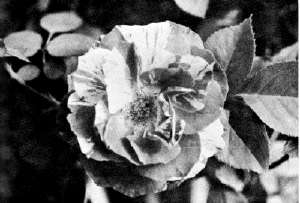 Fig 19 — An interesting new moss which is also striped. As soon as
stock can be built up this may become a valuable variety for breeding.
Queen Elizabeth x un-named striped moss seedling. Floribunda type
plant and flower. Mossed buds open into flowers up to 3" diameter.
Fig 19 — An interesting new moss which is also striped. As soon as
stock can be built up this may become a valuable variety for breeding.
Queen Elizabeth x un-named striped moss seedling. Floribunda type
plant and flower. Mossed buds open into flowers up to 3" diameter.
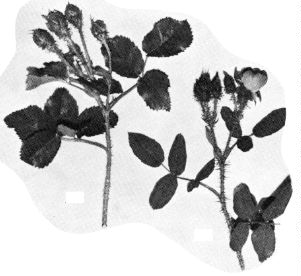 Fig 20 — Two old moss varieties, Salet (L) and Goethe
(R). Salet makes an upright plant to 6 feet; soft pink flower; well
mossed bud; some repeat bloom. Goethe grows into a vigorous 6-8
foot very thorny plant. Covered in spring with hundreds of small 5 petaled
pink flowers. Well mossed buds. No pollen; no seeds.
Fig 20 — Two old moss varieties, Salet (L) and Goethe
(R). Salet makes an upright plant to 6 feet; soft pink flower; well
mossed bud; some repeat bloom. Goethe grows into a vigorous 6-8
foot very thorny plant. Covered in spring with hundreds of small 5 petaled
pink flowers. Well mossed buds. No pollen; no seeds.
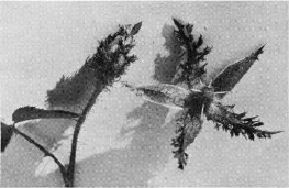
Fig A — #43-76-16 A very recent cross of #12-59-10 x
Goldmoss. Low bushy plant, very mossy buds. Photo shows heavy moss
on bud and back (under) side of sepals. (See "The Hirsute Rose", page
1) |
|
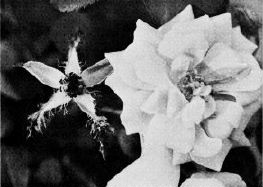
Fig B — #43-76-16 Same variety as Fig A but showing top side of
sepals and open flower. Color of flower is medium pink. |
The heart feels beauty the eye can never see.
.... anon
The Crested Moss
— A Picture Story
The crested moss differs from the previous (thorn) type of moss rose by
the manner of mossing and the relative lack of thorns. In this type the
mossing is confined to the margins of the sepals and instead of consisting
of thorns and oil glands the "moss" is made up of excrescences, or
abnormal growth, extending from the edges of the sepals.
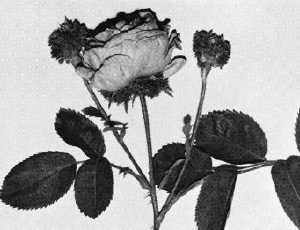 Fig 21 — Crested Moss. This is the old fashioned original of the
type, also known as Chapeau de Napoleon. A fairly vigorous plant to
about 5 feet or more. Covered in spring with very double pink roses with
the crest on sepals.
Fig 21 — Crested Moss. This is the old fashioned original of the
type, also known as Chapeau de Napoleon. A fairly vigorous plant to
about 5 feet or more. Covered in spring with very double pink roses with
the crest on sepals.
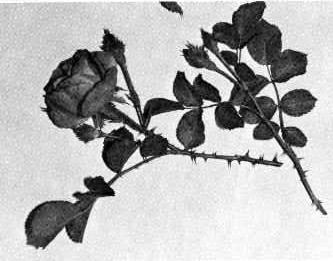 Fig 22 — Crested Jewel. Beautiful pink buds and flowers with a
good amount of cresting on sepals. Vigorous climber or shrub to 5 feet or
more. Abundant spring bloom. Little Darling x Crested Moss.
Valuable for further breeding for crested moss roses.
Fig 22 — Crested Jewel. Beautiful pink buds and flowers with a
good amount of cresting on sepals. Vigorous climber or shrub to 5 feet or
more. Abundant spring bloom. Little Darling x Crested Moss.
Valuable for further breeding for crested moss roses.
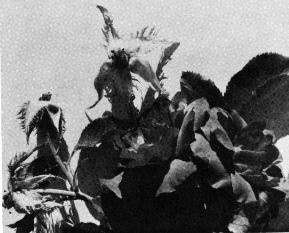 Fig 23 — #121-68-39 First of the everblooming crested moss hybrids.
Sarabande x Crested Jewel. Bushy floribunda type plant to 2
feet or more. Good foliage, fair amount of cresting, rich red bud and
flower; 3 inch diameter, 18 petals, blooms all season.
Fig 23 — #121-68-39 First of the everblooming crested moss hybrids.
Sarabande x Crested Jewel. Bushy floribunda type plant to 2
feet or more. Good foliage, fair amount of cresting, rich red bud and
flower; 3 inch diameter, 18 petals, blooms all season.
 |
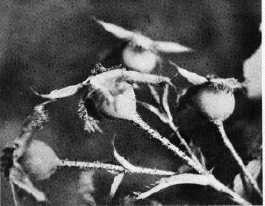 |
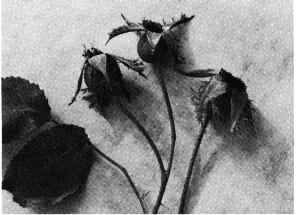
| Fig 24 & 25 — #40-68-0 (#21-48-8 x Crested
Jewel) Well crested sepals, large nearly single red blend flowers (3"
or more), repeat bloom. Tall shrub type plant. Produces pollen and seed
hips.
|
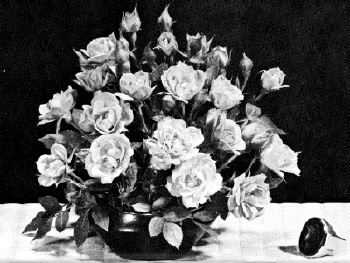
Fig 26 — New Penny. Miniature Moss Roses began with this variety.
| |
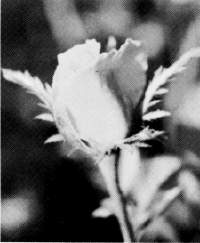
Fig 27 — Seedling. Little Darling x Crested Jewel.
Floribunda type bush to 2 feet; some cresting. Pink flower; blooms all
season.
|
The curtain has just been lifted a bit so you can catch a glimpse of what
has been accomplished. For the future there are more exciting things to
come. The groundwork has been done and we have formulated a road map to
follow. Each year the breeding work to develop this moss rose project has
been expanded. This year (1977) we have made more crosses than ever
before, especially in the mini-moss class. From this work we expect some
interesting results.
Literature Cited
1) Hurst, Major C. C. and Breeze, Mabel S. G., "Notes on the Origin of
Moss-Rose", Journal of the Royal Horticultural Society, Vol. XLVII, Part
1, 1922.
2) Steen, Nancy, The Charm of Old Roses, Book, Published 1966.
3) Modern Roses VI, J. Horace McFarland Company, Harrisburg, PA., 1964.
4) Creation Research Society Quarterly — January, 1967.
- Part 1 -