|
 >> Web News >> The Books >> Biographies >> Greg Spalenka >> David Mattingly >> K.A. Applegate >> Site History >> Merchandise >> F.A.Q.'s >> Soundtrack
|
Featured in: #7 Gateway to the Gods
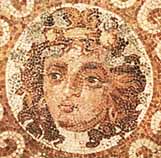
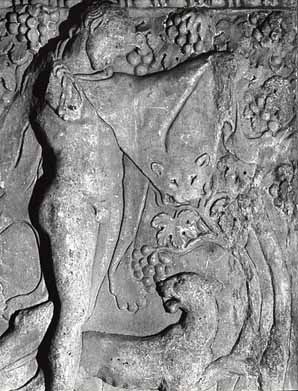
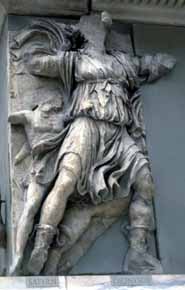
Dionysus showed mortals how to cultivate grapevines and make fine wine. Son of Zeus, his Mother was killed, and Zeus took him out of her, and buried him deep into his thigh, where Dionysus was born. He automatically became a God. He was also the God of vegetation -- sticking mainly to the fruits of the trees. He is represented on many ancient pottery and paintings with vine branches and a drinking horn.
Dionysus was gentle and caring towards those who honored him, but brought destruction to those who defied him and his ways. Each winter, according to tradition, Dionysus would die, and then be reborn in the spring, just like the fruits of the Earth.
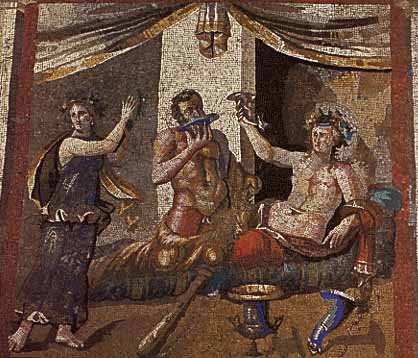
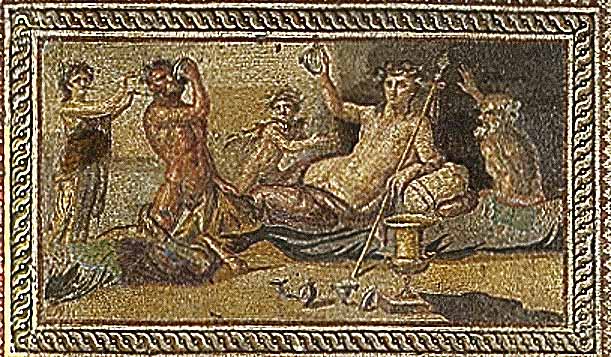
By the 5th century, BC, Dionysus was known to the Greek people as Bacchus, and a name referring to the loud cries with which Dionysus was worshiped at the orgia, or Dionysiac mysteries. These frenetic celebrations, which probably originated in spring nature festivals, became occasions for licentiousness and intoxication.
This was the form in which the worship of Dionysus became popular in the 2nd century BC in Roman Italy, where the Dionysiac mysteries were called the Bacchanalia.
When the indulgences of the Bacchanalia became too extreme, and were increasing every year at festivals, it was banned by the Roman Senate in 186 BC.
However, in the 1st century AD, the Dionysiac mysteries were still popular among the people, and representations of them exist still on Greek sacriophagi. (Greek stone coffin).
A basic picture of Dionysus's face |