| . |
| . |
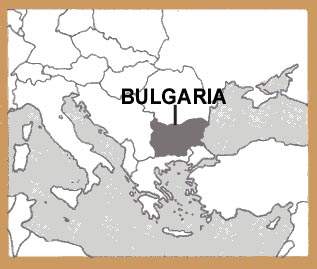 |
| BULGARIA |
| Bulgaria lies on the Balkan Peninsula and is one of a group of countries known collectively as the Balkan States. Bulgaria was a major power for a long period during the middle ages. At different times its rulers controlled much of the Balkan Peninsula, and its religion and culture influenced many of the Slavic peoples of Southern and Eastern Europe. After a lengthy period of Turkish rule Bulgaria regained its independence in the 19th century. It became a communist country at the end of WW2. |
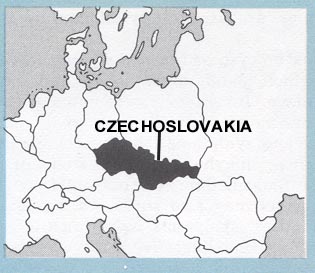 |
| CZECHOSLOVAKIA |
| Czechoslovakia is a country in central Europe. It is inhabited by two races, the Czechs and the Slovaks. They formed a unified nation in 1918 following the break up of the Austro Hungarian Empire, of which they had been part of. The origianal inhabitants of the area that is now Czechoslovakia were probably Celts. Later Germanic tribes occupied the area |
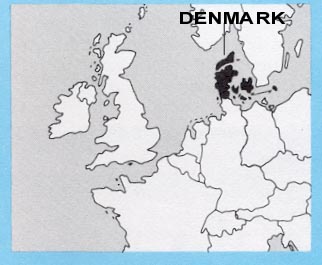 |
| DENMARK |
| Denmark is one of the oldest existing kingdoms in Europe. The Vikings founded it over 1,000 years ago. Historically Denmark is a part of Scandinavia. The Danish Monarch at times ruled all or part of Norway, Sweden as well as Iceland. |
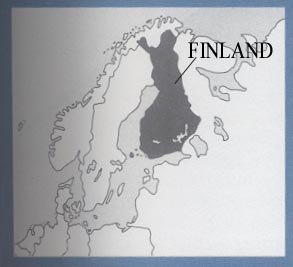 |
| FINLAND |
| Finland is in Northern Europe on the Baltic sea. Finland was a buffer state between Sweden on the west and Russia on the east. The Swedes dominated Finland from the 13th century and then the Russians occupied the region. In 1917 Finland gained independence. The modern Finns Culturally and Ethnically are more closely related to the Swedes rather than to the Russians. |