
Regional Office

|
|
|
|
|
|
|
|
|
|
|
|
|
| UNMIK-EU Gjilane Regional Office |
||||||||||||
|
|
|||||||||||
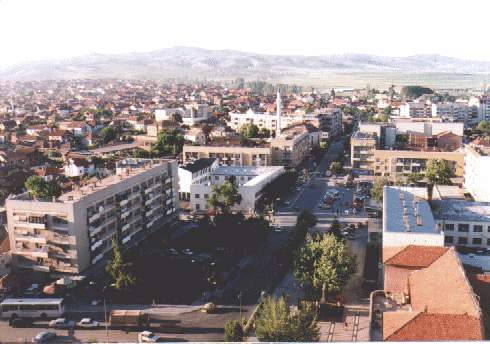
| The European Union in Gjilane Region | ||||||||||||
| Located in the western and southwestern part of Kosovo, Gjilan/Gnjilane Region is the largest Region in Kosovo. As a result to its proximity to Serbia, a quite large Serbian population remains in the region, spread over five of the seven municipalities. The decrease and the enclavement of this population as a result of the war increase the difficulty of addressing the development issues in all fields of activity. | ||||||||||||
| The ethnic mix of the region is one of the challenges facing the EU Pillar Regional Office in aiming towards a sustainable economy. The recent events along Gjilan. Gnjilane Region's border with Serbia and in particular Macedonia seems to postpone the search for compromise and both camps stand on their position, In that tensed context, life goes on and the economical nenessities take over. The existing enterprises are looking for the means to restart or develop their activity, but they lack modern infrastructure, skilled workers and marketing capability. The smallest ones and potential enterpreneurs need as much access to management awareness and training as they need access to funding and loans. | ||||||||||||
| A lot of meetings have been held with cooperative Agrokultura-until recently unsuccessful, but in the last two-three weeks there has been some progress.During meetings with few participants the managers of both ethnic groups has agreed to cooperate in order to get the cooperative running again. After this Mercy Corps have also agreed to donate two tractors spraying equipment, chemicals for spraying and fertilizers. Further meeting will be held in order to make a description of all total cooperative; strategy and business plan for the future. For the moment the cooperative are running barley and wheat-fields, a cherry and a plum plantation. Totally the cooperative have more than 1000 ha of land. Besides of that the cooperative has a refrigeration plant and some other activities, which are still not running. | ||||||||||||
| Regarding the needs of the SMEs sector, the institutional support for private ownership and management is currently inexisent. A regional coordination is being set up, which aims to provide effective and affordable business advisory services and training through local-based delivery mechanism. The first Regional Economic Devlopment Committee toll place on the 21 March and gathered the main institutional and economical players. It is hoped that the understanding of needs and constrains is sufficient basis for building together a clear economical framework. The politic consideration and ethnic tensions can't be put aside as they might undermine the process. A good example is the implmentation of sale and excise duties, ehich lead to serious misunderstanding among the international and Serbian communities, since sale and excise duties are being collected on the Serbian border. In Shterpce enclave, where mostly Serbian people live and depend on goods comming from Serbia, the rumor of a discrimination taxation based on Serbians spread quickly. | ||||||||||||
|
||||||||||||
| back to main Page | ||||||||||||