 |
|
|
|
| Event Planner |
|
 |
| However, for the Spanish the represented Satan. It was made beautiful and bright to get the attention of the innocent who came into contact. Candies and fruits inside represented the temptations of the Devil. The person trying to break it was blindfolded as of blind faith. The stick for breaking it was a symbol of goodness, as only good can overcome evil. Once broken, the candies and fruits then represented a reward. |
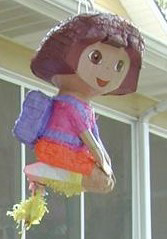
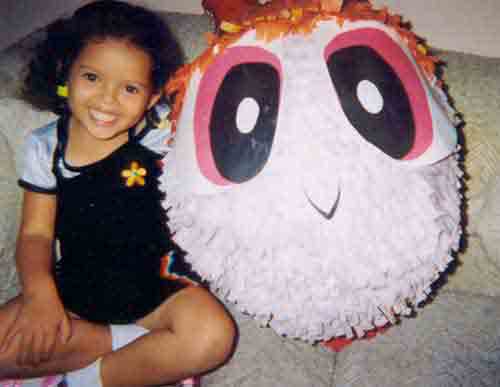
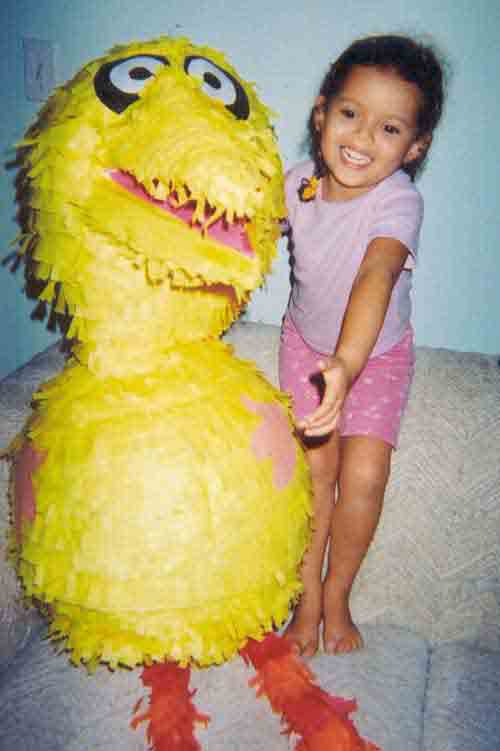
| Today, the are solely for fun. They are very popular in Mexico during "Las Posadas: (a celebration for the Christmas season) and in kids parties. They can be made in all shapes and forms, like baskets, fruits, rockets, or stars. Many Latin American countries use them for birthday parties and are filled with candies, toys, and they are made with the shape of the favorite cartoon. Also, has been a hip to have it at weddings, and other adults parties when considering a new wave to entertain their guests. |
| They were invented in Italy. The Italian word pignatta means "fragile pot"; therefore, originally, they were made of clay pots. The custom moved to Spain and was originally part of the celebrations for Lent. When Spanish missionaries took the to Mexico. The Aztecs readily accepted them because they had a custom which was very similar. They celebrated the birthday of the Aztec God of War. The tradition required that the leader or Shaman place a clay pot on a pole in the temple; fill it up through out the year with a stick, and the treasures that fell to the feet of the God's image were said to be an offering. |
 |
 |
| History: |
 |
| Roll-over pictures |
|
 |
|
|
 |