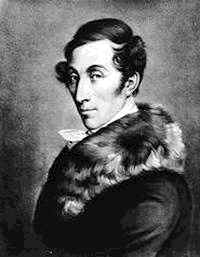
Karl Maria von Weber
Carl
Maria von Weber, a cousin of Mozart's wife Constanze Weber and the son of a versatile
musician who had founded his own travelling theatre company, was trained as a musician
from childhood.
Karl Maria von Weber was described as a 'small, narrow-chested man, with long arms, refined but large hands, thin, pale, irregular face, with brilliant blue eyes flashing through his spectacles; mighty forehead, fringed by a few straggling locks; awkward and clumsy, but charming in spite of all, especially when he smiled. His dress was a blue frock-coat with metal buttons, tight trousers, Hessian boots with tassels, a cloak with several capes, and a broad round hat.'
He
made a favourable impression as a pianist and held various musical posts in Prague,
Dresden and elsewhere.
He
was a key figure in the development of German Romantic opera and had a considerable
influence on Richard Wagner.
On
12 April, 1826 Oberon was given its first
performance under the baton of the composer to thunderous cheers of acclaim. But this
grandoise success was bought at a terrible price. The strain and enervation of preparing
the work for production undermined his heart completely. On 6 June, 1826, Karl Maria von
Weber died in his sleep. He was in the prime of life, at the height of his creative
powers. He was buried in Moorfield Chapel. Eighteen years later, his remains were
disinterred and transferred to the Catholic cemetary in Dresden.
Some of his most famous works are:
"Euriante": Ouverture
"Freischütz": Overture
 Baroque
Classical
Romantic
Modern
Baroque
Classical
Romantic
Modern