
(ILCO)
�A church without walls�
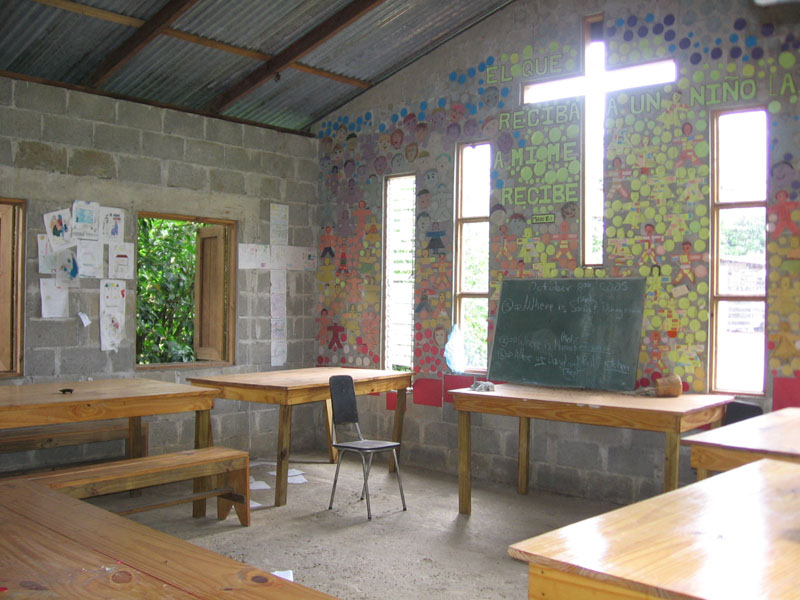
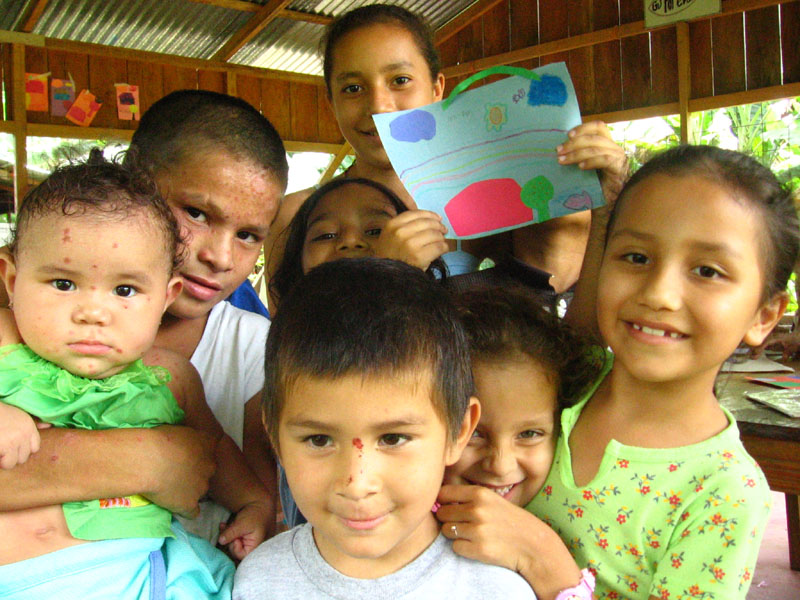
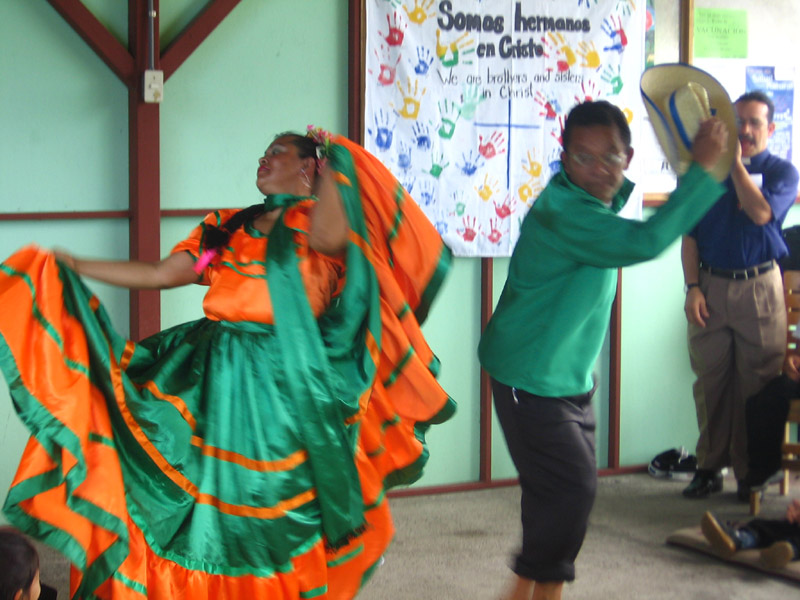
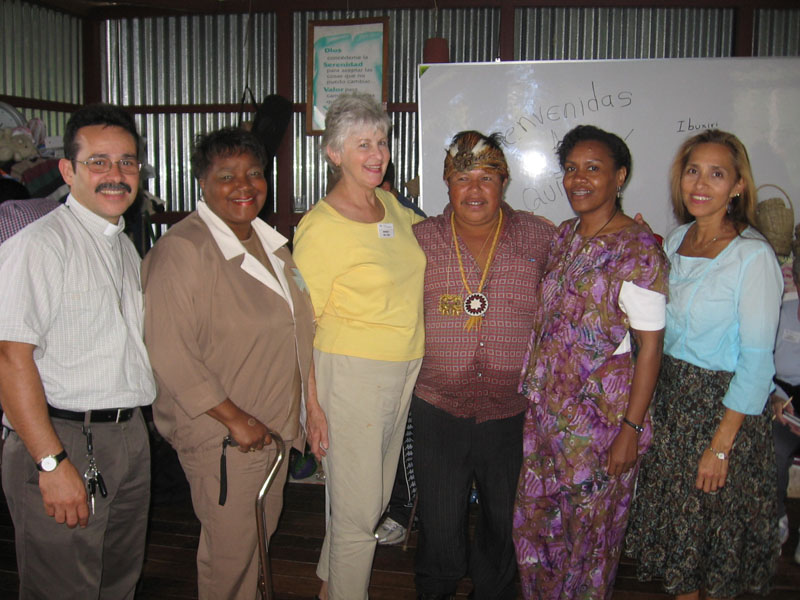
The ILCO relies on the direction and interdisciplinary commissions of pastors, social workers, attorneys (registered with the Costa Rica Legal Association) and specialists in natural medicine and organic agriculture, to carry out projects in the communities. In addition there are various work teams and individuals at the community level. Their work comprises legal organization/representation, job productivity, cultural events and disaster/emergency response
co-ordination.
The ILCO is part of the universal church and of the Lutheran world family of more than 60 million people in the the world. It works to be a church faithful to the gospel of Jesus and to the teachings of Luther and of Lutheranism, that encarnate itself in the poor and the marginalized of this world, to build justice and peace amongst human beings, and between them and the environment.
To promote personal and community experiences of justice, fraternity, reconciliation and celebration with rural and urban vulnerable sectors from their struggles and hopes and in the mark of faith in Christ, from which we look to support an alternative model of being a church and what it means to �live the faith.�
Indigenous
Immigrants
Women
Rural peasants
Youth
Children

Centro Manu
An ecological retreat center in 12 hectares of forest used for rest, formation and retreats. It has cabins for 42 people, meetings rooms, nautal pool, and multi-use field. The accomodations can be rented by churches, institutions, businesses and the general public, nationals as well as foreigners. Arrangements can be made for educational tours to organic agriculture farms, national parks, and indigenous reserves, as well as talks on natural medicine. www.centromanu.org
Oikos Institute of education and sustainable development: created by the ILCO in 2003 to develop projects that would benefit youth and children in a position of social exclusion, one its major programs is Soccer for Life. The Soccer for Life program works by offering soccer schools to children, youth, women and men in popular neighborhoods. In addition to offering athletic training, Soccer for Life focuses on personal and human development by working on team building skills, self-esteem, interpersonal communication, responsible sexuality, HIV/AIDS prevention, gender, solidarity, ecology and social justice. www.futbolporlavida.org