An Adventure in Edible Woodland Gardening in Tasmania
Due to Geocities decision to close soon these pages have been recreated on google. Please visit the new site at http://dzyanna.googlepages.com/anadventureinediblewoodlandgardeninginta
Tyenna, Tasmania, bordering the South-West Wilderness and the Styx Valley, provides a cool climate and moderate rainfall, perfect for an experiment in growing an edible woodland garden in the Southern Hemisphere. The nutrient deficient acidic soil varies from grey sand with sandstone inclusions to yellow clay with quartz and quartzite inclusions. Probably the area was under a glacier during the last iceage.
In wintertime temperatures can get down to -6C and in summer as high as 40C. While plants have to survive plenty of frosts and the increasingly rare snow fall mostly the climate is conducive to the growing of a range of English, Mediterranean, North American, Chilean and of course Southern Australian plant foods.
Rivendell (named after the "Last Homely House in the West" from Tolkein), originally called "Fairy Glen", was established in the 1880s by the Marriots family, principally for growing small fruit such as raspberries, strawberries and currants. Some of the original apple trees and a hazelnut survived from that time. Most of it was lost to us when we were burnt out by forest fires in 1983.
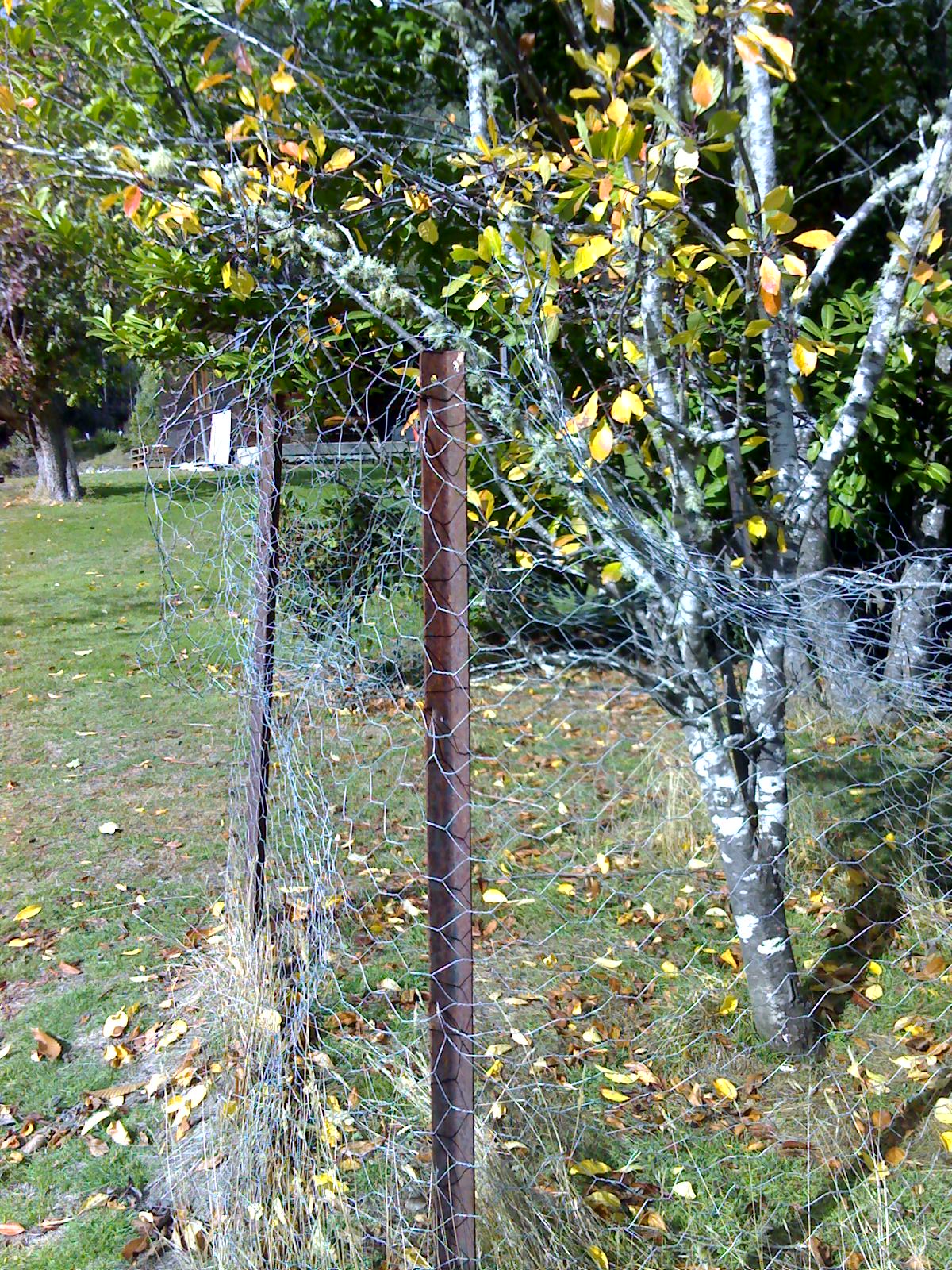
After we finished rebuilding we attempted to apply permaculture ideas to the existing farm but over time, for various reasons, we have had to modify those ideas to suit the particular environment here. Because of our earlier loss to bushfire we have been careful to keep substantial fire breaks between the house and our eucalypt (future timber and firewood) plantations. Much of the 20 acre property we have kept under existing vegetation or replanted with eucalypt. Wide tree spacings in the main orchard allow maintenance by ride-on mower but as there is a great diversity of species it is more like an aboretum. Other areas are maintained by brush cutter and yes weedspray for the blackberries and the otherwise impossible to eradicate Spanish Heather. Nearer the house we have established a winter flowering shelter belt for the birds that do stay on during the colder months
The Edible Plants We Grow
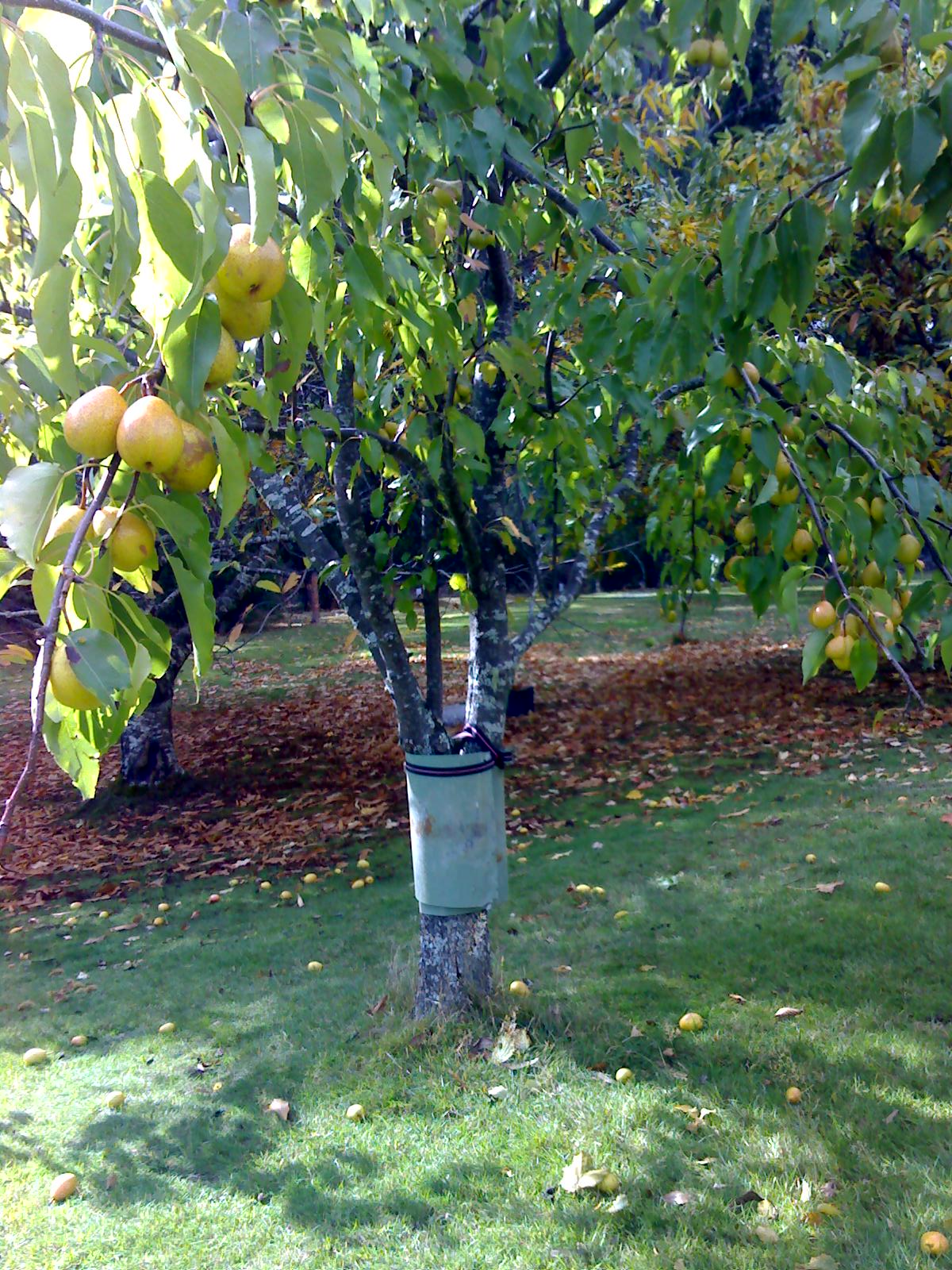
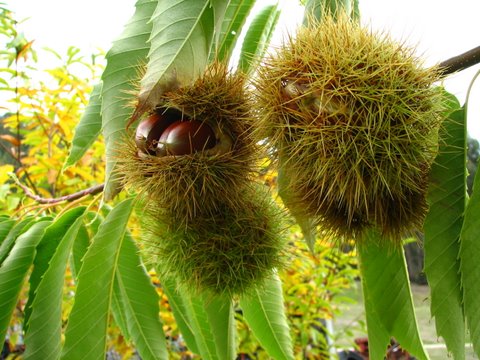
Old fashioned apples such as the famous "Lady in Snow", pears (traditional, nashi and Chinese "sand plums"), almond, medlar, cherries, walnuts, hazelnuts, chestnuts, blueberries, strawberry guava, elderberry, plums, apricots, mulberry, pomegranate, fejoa, Green Tea Camellia, Olives, Goji Berries, Carob, Oregon Grape, Tasmanian Native Current (coprosma species), Tasmanian Pepper Berry, Tasmanian Native Cherry, Irish Strawberry Tree, Bay laurel, Lemon, Portuguese laurel. Of these the Chestnuts, Hazelnuts, Blueberries, Nashi Pears and suprisingly the Olives have been the most productive success so far.Less sucessful has been black currants(climate change made it too dry where I had them - I've moved them now), Gooseberries (The prickles don't stop foraging by native animals - needs protection - I've put some more in with tree guards), Walnuts (frosts, animal damage, soil deficiencies...they're just not happy), Pecans are even more marginal and Fejoa (too cold to fruit - unless the climate warms more).
The Key Challenges
1: Blackberries that can grow from nothing to two metres high in a season. Other noxious weeds we eradicate as soon as we see are Spanish Heather, broom, hawthorn, a type of cotoneaster, scotch thistles and that south african daisy otherwise known as cape weed. 2: Green Jewel Beetle plagues that in rare years (usually after wet springs) start at the top of the trees (acacias, deciduous trees and blackberries) and remove every leaf. 3: Introduced European Wasp that trys to eat the pear and apple harvest as quick as it ripens.
Some problem solutions
Our land management follows a middle path. As much as possible we adhere to organic principles but when the adequacy of our food supply is threatened we resort to more traditional crop management protection. That said we have a number of ways that reduce our need to intervene.
Native Rainforest Reclamation
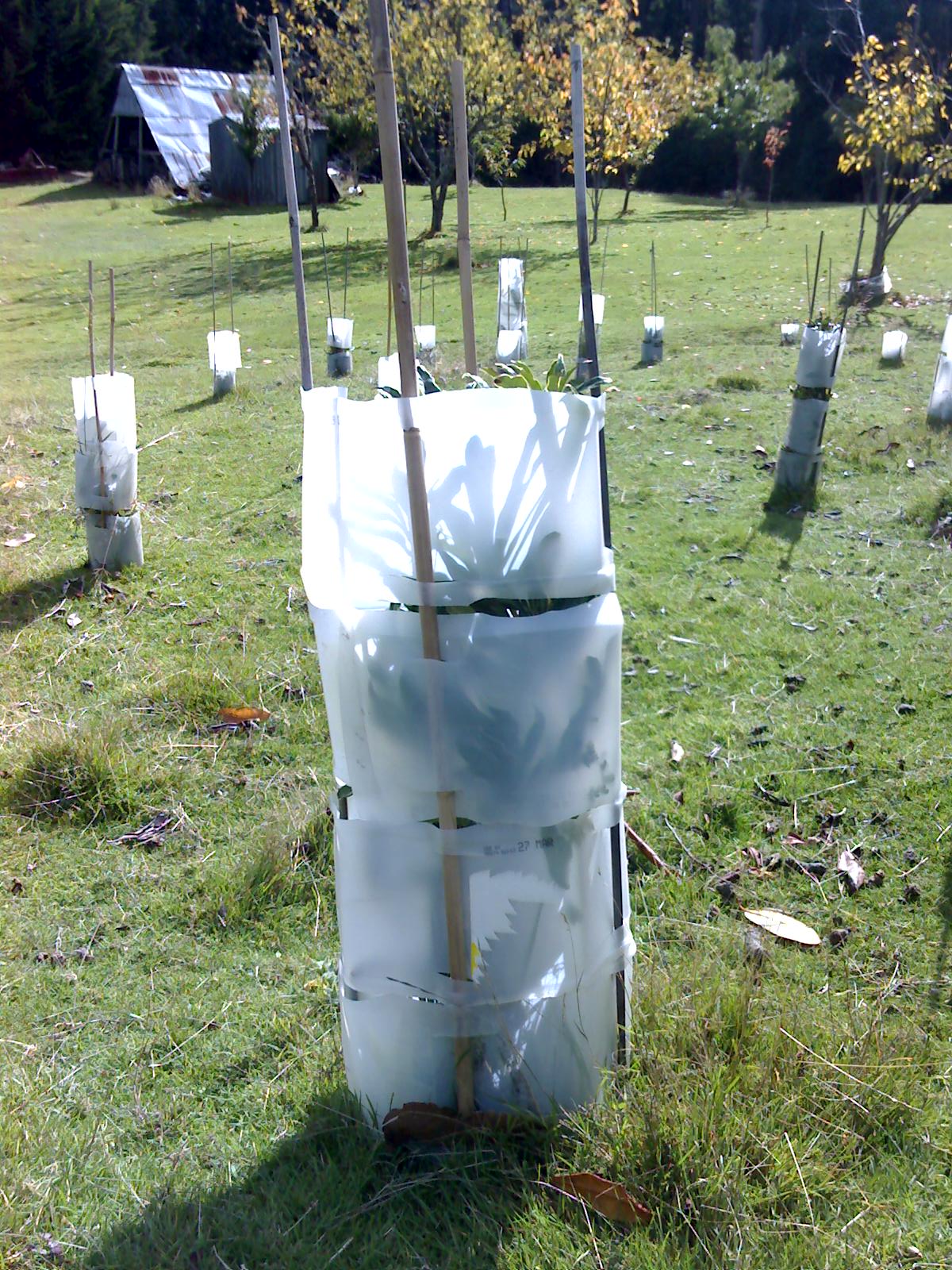
Along the creek, which comes from an underground watercourse high up in the mountains behind us, we've planted Tasmanian Rainforest. Surprisingly King Billy Pine has proven the easy to grow (this astounds many local gardeners). I have some specimens, less than five years old, above head height. Tasmanian Myrtle has also been easy - we have rescued many from roadside drains where they we subject to council mowing, some of these are now heading towards 3 metres. We've also introduced some Chilean, New Zealand and Australian species. Tasmanian Sasafras (one of the most beautiful timbers in the world I think)has been somewhat harder to establish. It doesn't seem to like wet feet but dies back at the slightest decline in water supply. It needs a great deal of protection from foraging when young. Leatherwood (which both the native and honey bees like)has been good but needs some protection from the wildlife at an early stage. We've also planted mainland Australian and Chilean species. Of the smaller plants we have many Tasmanian Waratah, a few NSW red and one yellow Waratah. Tasmanian pepper berry (tree guarded when young) and plenty of Dianella Tasmanica with its lovely blue flowers and decorative but not edible berries. In winter the bush is sprinkled lightly with the colour of white and various shades of pink epacris (Tasmanian Heather)
The Wildlife
During the summer months over two dozen bird species frequent the farm including Black Cockatoo, Blue Wrens, various Robins, Green Parrot, Rosellas, owls such as Mopoke, Wedge Tail Eagles, Hawks, Forest Ravens, Silver Eyes as well as feral/introduced species such as blackbirds, starlings, finches, Australian Kookaburra and Australian White Cockatoo.As far as marsupials and monotremes we have Wombats, both Bennets and Rufus Wallaby, Bandicoots, both Ring Tail and Brush Tail Possums, Echidnas and Platypus. Fish species, in the nearby Tyenna River, are limited due to a set of rapids downstream (known locally as "The Sheep Wash")but Brown and Rainbow Trout (both introduced) are common. Fresh Water Crayfish are now rare. In summer months we give the Black Tiger snakes a wide berth but feed fruit to the Blue Tongue Lizards. The various skinks (also lizards) are always a delight to watch on sunny days.
In planning
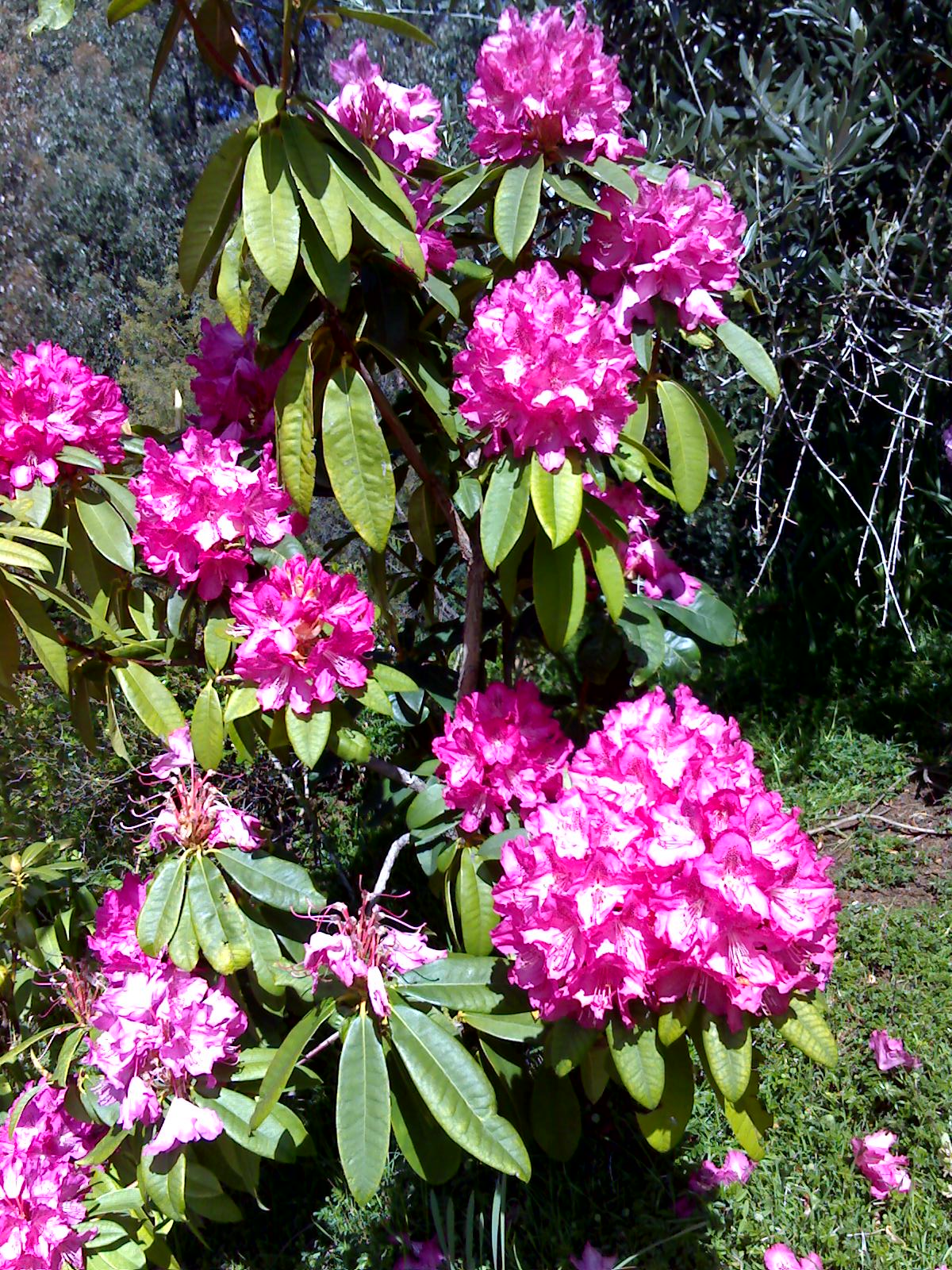
In the future we plan to experiment with weakening the Spanish Heather by using lime to change the soil acidity - not near my Rhododendrons though! Currently we are building a shed. Over winter I hope to find some cranberries, amelanchier and himilayan strawberry (an evergreen cornus) to add to the garden. We have hop bushes to go in to but need a spot that is both wet and sunny so haven't decide where yet. Next autumn (March 2009) we'll try putting an electric fence around the main part of our orchard.
Links

Creative Commons Attribution-NonCommercial-ShareAlike 2.1 Australia License