| ÇANAKKALE
(dardanelles) |
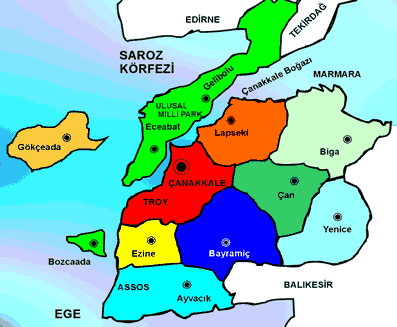 |
| Harita üzerinden seçiminizi yapın . .
. |
Çanakkale
Önemli Telefonları için tıklayınız
... |
|
COĞRAFİ KONUM
Çanakkale, Türkiye'nin
kuzeybatı yönüne düşen Balkan Yarımadası'nın Doğu Trakya
topraklarına bir kıstakla bağlanmış, Gelibolu Yarımadası ile
Anadolu'nun uzantısı olan Biga yarımadası üzerinde toprakları
bulunan bir ilimizdir.25-35 ve 27-45 doğu boylamları ile 39-30
ve 40-45 kuzey enlemleri arasında 9.737 km.'lik bir alanda
kurulmuş olup, doğu ve Güneydoğu yönünde Balıkesir ili, batıda
Ege denizi, Kuzeybatıda Edirne ili, kuzeyde Tekirdağ ili ile
Marmara denizi tarafından çevrelenmiştir.
NÜFUS VE İDARİ BÖLÜM
1997 Genel nüfus sayımına göre il
nüfusu tesbiti 440.373'dür. İl'de Merkez ilçe ile birlikte 12
ilçe, 568 köy ve 34 Belediye bulunmaktadır. İlçeleri; Ayvacık,
Bayramiç, Biga, Bozcaada, Çan, Eceabat, Ezine, Gelibolu,
Gökçeada, Lapseki ve Yenice'dir.
İKLİM
Çanakkale ilinde, Akdeniz ve
Karadeniz iklimlerinin geçiş iklimi hüküm sürmektedir.
Yağışlar genellikle bahar ve kış aylarında
olmaktadır.
Turizm sezonunda, iklim mutedil olup, deniz
suyu sıcaklığı Temmuz ve Ağustos aylarında maksimun seviyeye
çıkmaktadır. Günlük hava sıcaklıkları ise sezonda maksimun 35
ve minimum 25 derece olup, gece uzun yıllar ortalaması olarak
en düşük sıcaklık 10 derece olmuştur.
Yıl boyunca,
Çanakkale ilinde hakim rüzgar kuzeyli rüzgar olmasına rağmen,
güneyli rüzgar daha etkilidir.
EKONOMİK
YAPI
İlimizde tarımsal üretim yapılan
arazinin toprak varlığına oranı %55'dir. Hububat, ayçiçeği,
zeytin, sebze, meyve üretimi ile hayvancılık, ilimizin en
önemli gelir kaynaklarını teşkil etmektedir. Zeytincilik, Ege
bölgesinin devamı niteliğindedir. Bakla üretimi iç bakla
ihracatında önemli rol oynamaktadır. Ayçiçeğinde verim,
Türkiye ortalamalarının üzerindedir. Meyve üretimi, elma,
şeftali ve kiraza yönelmiştir. Bölgemiz, şarap ve kanyak
üretimine çok elverişli üzüm yetişmesine uygun toprak ve iklim
koşullarına sahiptir. Üretim miktarı yılda 16.00 ton
civarındadır.
Çanakkale Boğazı, İklim değişimlerine paralel
olarak, Karadeniz'den Marmara denizi ve Ege denizine
yumurtlama mevsimlerinde yer değiştiren önemli su ürünleri
potansiyeline sahip bir göç yoludur.
SOSYAL
YAPI
Çanakkale ili, sosyal yapısı
bakımından statik olarak kabul edilebilecek bir nüfusa
sahiptir. Ülkemizin bazı bölgelerine nazaran oldukça yavaş bir
kentleşme gelişimi gösteren, önemli sorunları bulunmayan bir
yerleşim merkezidir.
1997 genel nüfus sayımına göre;
ilimizin yaklaşık 443.069 olan nüfusu, ülkemiz nüfus artış
oranına göre kararlı bir gelişme göstermektedir.
Eğitim ve
öğretim durumu, Türkiye ortalamalarına göre yüksek
düzeydedir.
Kuruluşu yeni olmakla beraber, her geçen gün
büyük bir gelişme gösteren 18 Mart Üniversitesi de ilimizin
sosyal yapısının yükselmesine neden olan önemli bir eğitim
kuruluşu, Mühendislik-Mimarlık, Fen-Edebiyat, Eğitim, Ziraat,
Su ürünleri, İlahiyat, İktisadi ve İdari Bilimler Fakülteleri
ile Turizm İşletmeciliği ve Otelcilik Yüksek Okulu ve
Çanakkale Sağlık Hizmetleri Okulu'nu bünyesinde faaliyete
geçirmiştir.
Çanakkale ili, tarihi boyunca önemli
kültürlere sahne olmuştur. Bu özellik, halkın dış dünyaya
açılmasını ve kültürel faaliyet Çanakkale ili, tarihi boyunca
önemli kültürlere sahne olmuştur. Bu özellik, halkın dış
dünyaya açılmasını ve kültürel faaliyetlere ilgisini arttırıcı
bir unsur olarak kabul edilebilir.
Her yıl yöremizde açılan
ve ekonomik olmaktan çok kültürel nitelik taşıyan kurslara,
halkın küçümsenemeyecek oranda katılımı bunun bir göstergesi
olarak sayılabilir.
KÜLTÜR VE
TURİZM
Çanakkale, sahip olduğu tarihi,
turustik ve kültürel zenginlikleri ile yerli ve yabancı
turistlerin daima gözdesi olmuş bir ilimizdir.
Çanakkale
Savaşları'nın cereyan ettiği Gelibolu Yarımadası, Tarihi Milli
Park alanında bulunan Türk Anıt ve Şehitlikleri ile yabancı
Anıt ve mezarlıkları, özellikle 18 Mart ve 25 Nisan tarihleri
arasında yoğun olarak yerli ve yabancı turist akınına
uğramaktadır.
Troya, Alexandreia;Troas, Assos gibi nice
eski uygarlık merkezlerinin beşiği olan ilimiz, yerli ve
yabancı ziyaretçileri tarihin derinliklerine
götürmektedir.
Uygarlık tarihinin en eski el sanatlarından
olan seramikçilik ve halıcılık, Çanakkale Folklorunun
otantiğini kaybetmeden en belirgin özelliklerini günümüze
kadar taşımışlardır.
Çanakkale adının, burada yapılan
çanak-çömlekten geldiği kabul edilmektedir. Eski adı Kale-i
Sultaniye olan Çanakkale'nin 17. yy. sonlarında ipek, yelken
bezi ve çanak-çömlek imalatıyla ün yaptığı belirtilmektedir.
Çevresi eşsiz doğa güzellikleri ve denizlerle çevrili olan
ilimiz, sağlık turizmine çok sayıda kaplıcalarla hizmet
vermektedir.
Eğitim ve öğretim hizmetleri yönünden yüksek
düzeyde olan ilimiz, M. Akif Ersoy ve Nedime Hanım Halk
Kütüphaneleri, Güzel Sanatlar Galerisi, M.Akif Tiyatro Salonu,
Arkeoloji Müzesi, Namık Kemal Tiyatro Salonu ve 500'üncü yıl
Açık Hava Tiyatrosu ile Çanakkale halkının kültürel
gereksinimlerini büyük ölçüde karşılamaktadır. Her yıl
geleneksel hale gelen Uluslararası Troia Festivali ile
Kültürlerarası Troia şenlikleri ilimizin tanıtımına büyük
katkı sağlamaktadır.
Çimenlik Kalesi: 1462 tarihinde Fatih
Sultan Mehmed tarafından Çanakkale Boğazının kontrolü için
Anadolu Yakasında inşa ettirilmiştir. Günümüze kadar iyi bir
şekilde korunmuş olan bu yapı, Boğaz Komutanlığının
sorumluluğundadır. Kent merkezinde, 1897 yılında İtalyan
Konsolosluğu da yapan Vidaliz isimli tüccar tarafından parası
ödenerek inşaa edilen Saat Kulesi, Ayvalık taşından yapılmış
olup, dört cephesinde de birer adet saat bulunmaktadır. 1889
tarihinde İlya hayo tarafından kent merkezinde sıra dükkanlar
şeklinde yaptırılan Aynalı Çarşı türkülere konu
olmuştur.
Çok sayıda antik yerleşim yerlerine sahip olan
ilimizde yapılan kazılar sonucu gün ışığına çıkarılan eserler,
kent merkezindeki arkeoloji müzesinde
sergilenmektedir.
Kalelerinin çok olmasıyla da tanınan
ilimizde, Çimenlik Kalesi'nin yanısıra yine Anadolu Yakası'nın
Ege Denizi'ne açılan kısmında, Çanakkale Boğazının güvenliğini
sağlamak amacıyla Kum kalesi, ve aynı amaçla Nara burnunda
inşaa edilen Nara Kalesi günümüzü kadar
korunmuştur.
Çanakkale Savaşları sırasında boğazın
korunması bakımından çok önemli görevler üstlenmiş olan
Mesudiye tabyası, Dardanos taybası, Topçamlar tabyası, kumkale
tabyası ile İkinci Dünla savaşı içih yapılan turgut reis
Tabyası da ilimizin tarihi yerlerindendir.
Hasan mevsuf
Şehitliği: çanakkale deniz savaşları sırasında inanılmaz
cesaretiyle ün yapan ve şehit düşen dardanos bataryası
Komutanı Üsteğmen hasan ve Teğmen Mevsuf'un hatıraları adına
yapılmıştır. Bunun dışında Hastanebayırı şehitliği ve kumkale
şehitliği bulunmaktadır.
Dardanos tümülüsü: Çanakkale'ye 11
km. uzaklıkta olan ve tarihi Troia kenti'nden daha öncelere
dayanan Dardanos şehri'nin yönetici için yapılan Anıt mezar'da
'tümülüs) koridor, ön oda ve mezar olmak üzere üç bölüm
bulunmaktadır. Bu tümülüste çok önemli arkeolojik eserler
bulunmuştur.
TROYA
İntepe Bucağı, Tevfikiye köyü
yakınında, Çanakkale'ye 30 km. uzaklıkta, Hisarlık'tadır.
Yapılan kazılar sonucu 9 kültür katı saptanmış ve kırktan
fazla yerleşme evreleri ortaya çıkarılmıştır.
Troya I (M.Ö.
3000-2500): 10 evreden oluşan bu katman, Erken Bronz döneminin
ilk yerleşmelerindedir. Küçük bir alanı kaplayan kentin,
çağdaşlarından çok daha gelişmiş olduğu saptanmıştır.
Troya
II. (M.Ö.2500-2200): Kent planlaması gösteren ilk
yerleşmelerdendir. Troya I'den daha geniş bir alana
yayılmıştır. Bu katman yedi evreden oluşmaktadır.
Troya
III. (M.Ö.2200-2050): Daha geniş bir alana yayılan kent yine
surlarla çevrilidir. Yerleşme planı daha düzensiz bloklardan
oluşmaktadır.
Troya IV (M.Ö.2050-1900): II. Yerleşme
üzerine kurulan bu kat 17.000 m.lik bir alana yayılmıştır.
Kazılarda beş evre saptanmıştır.
Troya V (M.Ö.1900-1800):
Hem yapı, hem duvar tekniğinde belirgin bir gelişme
görülmektedir. Duvarlar ince ve düzgün görünümlüdür.
Troya
VI (M:Ö 1800-1300): Sağlam surları, ustaca yapılmış planı,
düzenli yapılarıyla, döneminin önde gelen kale
kentidir.
Troya VII a(M.Ö.1300-1260): Kazılar sonucu kale
kentin kuzeydoğusunda çok sayıda ev kalıntısı ortaya
çıkarılmıştır. Bunlar iç içe, aceleyle kurulmuşcasına,
özensiz, kaba yapılardır.
Troya VII b (M.Ö.1260-1190): VII
a'nın 0,50-1m üstünde kurulmuştur. Bir önceki dönemin plan
yapısı belirgindir.
Troya VIII (M.V.700-350): Uzun süre
yaşamın görülmediği yörede, Grekler'le birlikte yeniden bir
canlanma izlenmektedir.
Troya IX (M.Ö.350-M.S.400):
Troyalılar'ı ataları sayan Romalılar, kente önem vermişlerdir.
Yenilenme sırasında Troya VI ve VII'nin önemli yapıları yok
edilmiştir. Dönemin en önemli yapısı Athena Tapınağıdır. Bu
dönem yapıları arasında meclis, tiyatro ve belediye
sayılabilir.
DARDANOS:
Çanakkale'ye 11 km. uzaklıkta
Kalabaklı Çayı kıyısında, Maltepede'dir. Bu mezar anıtı, bir
koridor, ön oda ve ana mezar odasından oluşmaktadır. İçinde
bir çok iskeletle birlikte, altın takılar, bronz ve pişmiş
topraktan gereçler, kandiller, gözyaşı şişeleri müzik araçları
bulunmuştur. Mezarda Arkaik, iyonik ve roma dönemlerinden
yapılar vardır.
OPHRYNİON:
Çanakkale'ye 20 km. uzaklıkta,
Erenköy'ün kuzeyindedir. İyon kolonisi olduğu
sanılmaktadır.
SİGEİON:
Çanakkale'ye 34 km. uzaklıkta
Yeniköy'dedir. Antik kaynaklarda, pisistratos ve oğlunun
buraya yerleştiği
bildirilmektedir.
ABYDOS:
Çanakkale'ye 2 km. uzaklıkta, Nara
Burnu'nun güneyinde kurulmuştur.
KALE-İ SULTANİYE
(SULTAN KALE):
Kente adını veren önemli ve
görkemli bir anıt niteliğindedir. XV.yy. ortamlarında Fatih
Sultan Mehmed tarafından yaptırılmış, 1551'de Kanuni Sultan
Süleyman döneminde
onarılmıştır.
ULAŞIM
ÇEVRE İLLERE
ULAŞIM
Çanakkale ilinin çevre illere ulaşımı
karayolu ve havayolu ile sağlanmaktadır. Çanakkale'nin çevre
il ve önemli merkezlere karayolu ile
uzaklıkları;
Çanakkale-Ankara 659 km.
Çanakkale-İstanbul
310 km.
Çanakkale-İzmir 331 km.
Çanakkale-Bursa 303
km.
Çanakkale-Balıkesir 210 km.
Çanakkale-tekirdağ 171
km.
Çanakkale-Edirne 217 km.dir.
İL İÇERİSİNDE ULAŞIM
Çanakkale ilinin ilçeleri ile olan ulaşımı kara ve
deniz yolu ile olmaktadır.
Troya, Assos, Alexandreia, Troas
ve diğer merkezlere Çanakkale il merkezinden ulaşım oldukça
kolaydır. Hergün yarım saat aralıklarla otobüs ve minübüs
seferleri yapılmaktadır.
Eceabat, Bozcaada ve Gökçeada'ya
feribot seferleri yapılmaktadır. Ayrıca Gökçeada'ya tarifeli
uçak seferleri vardır.
TARİHİ
GELİŞİM
Erken Bronz döneminden bu yana
önemli bir yerleşim merkezi olan Çanakkale, Anadolu ile Avrupa
ve Akdeniz ile Karadeniz arasındaki bağlantıyı sağlayan iki
geçit bölgesinden biridir. Bu özelliği nedeni ile oldukça
zengin bir tarihi vardır. Coğrafi konumu, yörede yaşayan
topluluklara ekonomik ve askeri üstünlük sağlamış, onlar da
uygarlık alanında çağdaşlarını geçmişlerdir. Ancak bu durum
yöreyi çeşitli göç ve istila hareketlerinin hedefi yapmıştır.
Değişik, tarihlerde, yerleşmek yada yağmalamak amacıyla
bölgeye gelenler olmuş, her iki durumda da belirli kültür
alışverişi yaşanmıştır. Ayrıca ticaret merkezi oluşu da çevre
uygarlıklarla kültür alışverişini yoğunlaştırmıştır. Bu
kültürel yoğrulma, yüzyıllar boyu kesintilerle sürmüş, bunun
sonucu oldukça renkli bir kültür mozaği ortaya koymuştur.
Boğazın en dar yerinde Fatih Sultan Mehmed döneminde Rumeli
yakasında Sestos dolaylarında Kilitbahir, Anadolu yakasında da
Sultaniye (Kale-i Sultaniye) yada Çanak kalesi adıyla anılan
kaleler yapılmıştır. Bugünkü Çanakkale ilinin adı Anadolu
yakasındaki Çanak Kalesi'nden gelmektedir.
Yörenin en eski
halkı Beştepe ve Kumtepe yerleşmelerinden bilinen Kalkolitik
dönem yerli halkıdır. Bunları İ.Ö 3000'lerden 1200'lere kadar
herhangi bir dış etki altında kalmadan yaşamlarını sürdüren
Troya halkı izler. Bundan sonra sırasıyla Troya savaşları ile
Akalar, Ege göçleriyle de başka halklar gelmiştir. En son
olarak Sicilyalı Komutan Roger De Flor'un ölümüyle
buyruğundaki Katalonyalılar bir süre etkinliklerini
sürdürdülerse de, daha sonra Türklerle yaptıkları bir anlaşma
gereği, Çanakkale ve yöresini Türk beylerine
bırakmışlardır. |
MERKEZ İLÇEDEKİ
OTELLER
| AKOL OTELİ
**** |
0 (286) 217 94
56 |
| BÜYÜK TRUVA OTELİ
*** |
0(286) 217 10
24 |
| İRİS OTELİ
*** |
0(286) 232 81
00 |
| TUSAN OTELİ
*** |
0(286) 232 82
10 |
| ANAFARTALAR OTELİ
*** |
0(286) 217 44
54 |
| ANZAK OTELİ
** |
0(286) 217 77
77 |
| BAKIR OTELİ
** |
0(286) 217 40
88 |
| MOLA OTELİ
** |
0(286) 232 80
22 |
| KESTANBOL OTELİ
* |
0(286) 217 08
57 |
| TEMİZAY OTELİ
* |
0(286) 212 87
60 | |
|
|
GEOGRAPHICAL
LOCATION
Çanakkale is a province of great historical
significance which forms a bridge between Asia and Europe on
the Straits linking the Sea of Marmara with the Aegean. The
major part is in the Marmara Region while the remainder is in
the Northern Aegean. It is surrounded by the Aegean to the
West, the Sea of Marmara to the North and the province
of Balıkesir to the east. That part of the province which is
in Thrace (the European side of the Straits) is bordered
by the provinces of Edirne and Tekirdağ to the Northwest
and Northeast respectively. The city of Çanakkale itself,
having the same name as the province, is situated on the Biga
Peninsula at the Northwestern tip of
Anatolia.
POPULATION AND LOCAL
GOVERNMENT
The province of Çanakkale covers
9,737 sq. km. And has 440,373 inhabitants according to the
1997 census with a population density of 46 persons per
sq. km. There are 12 major towns, including Çanakkale
the provincial capital, 568 villages and 34 municipalities
within its borders. The towns are Ayvacık, Bayramiç,
Biga, Bozcaada, Çan, Eceabat, Ezine, Gelibolu, Gökçeada,
Lapseki ve Yenice.
CLIMATE
The weather is a combination of
Mediterranean and Black Sea climates. Rain generally falls in
the spring and winter. During the tourist season, the climate
is moderate and the sea temperature rises to its highest
level in July and August. According to meteorological
observations, the highest and lowest daily summer temperatures
are 35 degrees C and 25 degrees C; the lowest night
temperature recorded was 10 degrees C in the
season. Throughout the year a cool wind
called the 'Poyraz' blows from the North-west over the region
alternating with a warm wind called the 'Lodos', which blows
from the Southwest and has a more pronounced climatic
effect than the 'Poyraz'.
ECENOMY
In the province 43% of the land is
agricultural and 55% forested. The main agricultural products
are grains, sunflowers, olives, fruit and vegetables. Broad
beans are extensively grown and widely exported abroad. The
production of sunflowers is one of the highest in Turkey.
Peaches, cherries and apples are the main fruits
grown. A special kind of grape called 'Karasakız' is grown
around Çanakkale; the annual production of this grape is about
16,000 tons. The Straits are also a migration route for
fish traveling form the Marmara to the Aegean.
SOCIAL STRUCTURE Çanakkale has a fairly static population with towns and
villages showing a comparatively slow urban development in
proportion to other regions of Turkey, and ıt has no
important social problems. However, according to
the 1997 census, the province's population of 443,069 shows a
decisive increase over previous years. Education
is at a high level according to the national average and the
health services provided are also above the countries average
and evenly distributed throughout the province. The newly-
founded and rapidly- expanding Çanakkale 18 Mart University
has become an important educational institution
enriching the social life of the province with the
establishment of Faculties of Architecture &Engineering,
Science& Arts, Education, Fisheries, Divine Sciences,
Economics and Administration, together with the College of
Tourism and Hotel Management, and Çanakkale School of
Nursing. The province throughout history has been the
stage for the establishment of many important cultures, an
element that is increasingly opening it to visitors from
the outside world and heightening interest in cultural
activities . An indicator that the accomplishments of
the population are not to be underestimated is the large
number of enrollments for the reasonably-priced and
high-quality courses which open to the public each year.
CULTURE AND
TOURISM
With the historical, touristic and
cultural riches that Çanakkale possesses, the province is
always a essential to be visited for both Turkish and foreign
tourists. The Turkish, Commonwealth and French Memorials
and Cemeteries found in the Gallipoli Peninsula Historical
National Park where the battles of
1915 took place are visited most by local and foreign tourists
in the weeks of 18 March and 25 April. The province, which was
the cradle of many ancient civilizations such as Troy,
Alexandria-Troas and Assos, takes visitors back into the
depths of history. Here in mythology, the two children Phryxus
and Helle, while escaping on a golden fleece, flew over
the Straits. Helle fell off and was lost, hence they were
known as the Hellespont in ancient times. Later on Jason
and the Argonauts passed through on their way to Colchis to
find the Golden Fleece. Here also, took place the immortal
love story of a youth from Abydos, Leander, who would swim
over every night to visit his amour Hero on the other side at
Sestos until a storm blew up one night when he was mid
stream and he never made it. In 1810 Lord Byron emulated his
feat. Ceramics and carpet making, the most ancient handicrafts
in civilization's history, have here retained their
outstanding characteristics an been continued up to the
present day without losing their regional authenticity. The
name 'Çanakkale' comes from the earthenware post and
vessels (eçanaki) once produced under the walls of the castle
(ekalei). We may also mention that Çanakkale,
whose previous name was 'Kalei- Sultaniye', in
addition to ceramics gained fame in the late 17th century with
the production of silk and sailcloth. In surroundings of
unparalleled natural beauty and seas, the province also offers
a large number of thermal springs and spas with facilities for
therapeutic and cure treatments. With is high level of
learning due to the many educational institutions, the
cultural needs of the population of the city of Çanakkale are
met to a large extent with the Mehmet Akif Ersoy and
Nedime Hanım Public Libraries, Fine Arts Gallery, Mehmet Akif
Ersoy Theatre, Archaeological Museum, Namık Kemal
Theatre and Open Air Theatre in the 500 Year Park. The
International Troy Festival and Intercultural Troy
festivities, which have become an annual tradition, have
made an important contribution to introducing the province and
city to outsiders.
ÇİMENLİK CASTLE
This was constructed by Sultan
Mehmet the Second, Conqueror of Istanbul, in 1462. It is on
the most narrow part of the Dardanelles on the Anatolian
side and occupies an important strategic position in
conjunction with Kilitbahir Castle Opposite in controlling the
Straits. The renowned Ottoman traveler
Evliya Çelebi mentions in his journals that Piri Reis, the
mariner and cartographer, wrote his famous 'Book of the Sea'
in this castle. Today it is a public open air
museum. The Clock Tower in the center of Çanakkale was built
in the 1890s with money given to the city by a merchant named
Vitalis who was Italian Vice-Consul here. Made with
stone from Ayvacık each of the four sides displays a clock
face. The Mirror Bazaar, constructed in the shape of a row of
shops in the center of the city by Ilya Halyo in 1889,
became the subject of folk songs especially during the First
World War. Many of the artifacts which have been brought
to light as a result of excavations in the province, which
possesses a large number of ancient sites, are displayed in
the Archaeological Museum just outside the city centre.
In a province known for the great number of its fortresses;
Kumkale Castle on the Anatolian shore at the mouth of the
Dardanelles built to protect the Straits, and similarly
Nara Castle on Nara Point, have watched over the Dardanelles
right up to the present day. Occupying an
important place in history are the Mesudiye, Dardanos
and Kumkale Batteries which carried out their duties with
outstanding bravery while protecting the Straits during the
1915 Gallipoli Campaign. The massive Turgut Reis Battery was
made during World War II. The Hasan-Mevsuf
Memorial was erected in the memory ofDardanos Battery
Commander First Lieutenant Hasan and Lieutenant Mevsuf, who
gained renown with their unbelievable courage and fell during
the naval battle preceding the Gallipoli
landings.
TROY
TROY I (3000-2500
BC): The first city, built upon a rock foundation in the form
of a castle, has been unearthed and contains interesting
'megaron' type houses which are one-room rectangular
structures with doorways and hearths. TROY II (2500-
2200 BC): The second city was wider than the earlier one
and surrounded by a wall. In the centre is a courtyard with
'megaron' style houses and the king's palace. The lower
parts of the walls are made of stone, held together with
reinforcing beams, and the upper parts are made of sun-dried
brick.
TROY III (2200_2050 BC)
TROY IV
(2050-1900 BC)
TROY V (1900-1800 BC)
Founded one after
the other, few remains of these cities are now visible.
TROY VI (1800-1300 BC): This city
is contemporary with the Hittite culture. The city walls are
almost completely intact permitting entry into the city
through a number of gates. They represent advanced engineering
skills for the time in which they were built. Several
towers, once 30 metres high, can also be seen.
TROY VII (1300-700 BC) : This
city, with its earthenware pots from the Mycenean Age, was
destroyed in an earthquake and rebuilt with available
materials. The famous Trojan War occurred about 1200 BC. The
Trojans rebuilt their city again after it fell to the
enemy.
TROY VIII (700-350 BC) : From this
period onwards, the native culture began to be influenced by
Greeks colonists.
TROY IX (350 BC- 400 AD): Some
remains of the great Temple of Athena, built in 280 BC, may
still be seen. Even better preserved are the Roman Odeon,
amphitheatre, and Bouleterion.
DARDANOS
It is about 11 km. From Çanakkale
near the Kalabaklı stream in Maltepe. Ruring the construction
of summer houses for the Cement Factory in 1959 a famely
tumulus was unearthedb This shed light on the history of the
region. Findings date from archaic periods VII, VI B.C.
and the Roman period II A.D.
SIGEON
It is about 34 km. away Çanakkale.
It is in Yeniköy. It is not ixcavated yer. In Classical Era
Pisistratos and his son settled in this
region.
ABYDOS
It is located in the south of Nara
Point and is about 2 km. away from Çanakkale. The remains were
unearthed in 1675. It was not excavated very
well.
SULTAN CASTLE
It is impressive work of art which
gave its name to the present town. It was built by Mehmet
Conqueror in the 15th century. During the reign of Süleyman
the Magnificient it was again repaired in 1551. It consist of
two main parts, outher walls and the central
keep.
TRANSPORTATION
TRANSPORTATION WİTH NEIGH
BOURING
PROVINCES AND MAJOR
CITIES
Transportation to other cities is
provided by road and air. Below are the distances by main
highway from Çanakkale.
Çanakkale- Ankara 659
km
Çanakkale- İstanbul 310 km
Çanakkale- İzmir 331
km
Çanakkale- Bursa 303 km
Çanakkale- Balıkesir 210
km
Çanakkale- Tekirdağ 170 km
Çanakkale- Edirne 217
km
There are also scheduled flights via Dardanel Air
connecting Çanakkale with İstanbul, Ankara, Edremit and the
island of Gökçeada.
TRANSPORTATION WITHIN THE
PROVINCE
Transportation between towns is by
road and sea. There is easy transport from Çanakkale city
centre to Troy, Assos, and other touristic sites. There are
ferryboat crossings between Çanakkale and Eceabat, Çanakkale
and Kilitbahir, Gelibolu and Lapseki plus regular ferries to
the island of Bozcaada and Gökçeada with scheduled flights to
the latter.
HISTORY OF THE PROVINCE
Nine different settlement periods have been determined from
the remains of Troy, the earliest dating from 3000 BC,
indicating that there were settlers in the region from that
time or earlier. Following the original Anatolian settlements,
the Greeks began colonizing the province in about the 9th
century BC. The Persians took control in the 7th century
but in 334 BC Alexander the Great crossed the Straits and onto
Asian soil for the first time. He joined with the Persians in
a fierce battle at Granikos on the banks of the river Kocabaş.
After Alexander, the area changed hands several times,
coming under Lydian rule in the 2nd century BC before the
Romans took over in 191 BC. It was later annexed by the
Byzantines. The Arab feet passed through the Straits in 668 AD
and laid siege to İstanbul. The province was first conquered
by the Turks in the mid 14th century when the Ottomans
seized the Anatolian side of the Straits and soon after
crossed over into Thracian territory under the command of
Süleyman Pasha, son of Orhan Gazi, and conquered the town of
Gelibolu. Although Gelibolu was regained by Papal
Forces, Sultan Murat I. took it back for a short time the
following year. Sultan Yıldırım Beyazit founded the
Straits Guard there in 1390, turning Gelibolu into a naval
base utilizing the existing dockyards. In the 15th
century, Sultan Mehmet the Conqueror built citadels on both
sides of the Dardanelles and founded the city of Çanakkale.
Although the Russian fleet forced the Straits in 1770, they
were later defeated. Çanakkale suffered its most
difficult but most honorable days during World War I when the
Turkish soldiers established a legend that the Straits were
impassable. Çanakkale officially became a province in
1927 after the Setting up of the Turkish Republic in
1923.
HISTORY OF THE PROVINCE
Ayvacık, Bayramiç, Biga, Bozcaada, Çan, Ezine, Eceabat,
Gelibolu, Gökçeada, Lapseki, Yenice.
| |
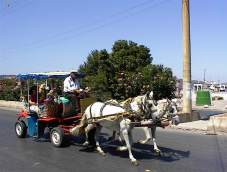 |
| Kordonda Fayton Sefası |
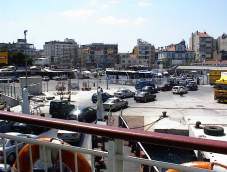 |
| Binlerce
araç Avrupadan Asyaya geçiyor... |
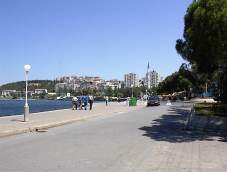 |
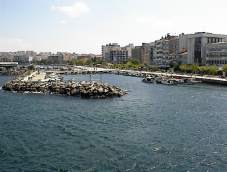
| Çanakkale
Kordon Boyu |
 |
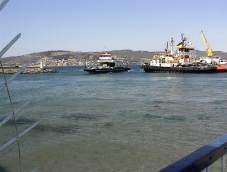
| Çanakkale
Balıkçı Barınağı |
 |
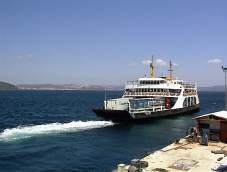
| Çanakkale
Boğazı |
 |
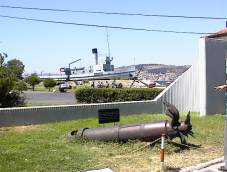
| Çanakkale
Feribotu |
 |
| Nusrat
Mayın Gemisi |
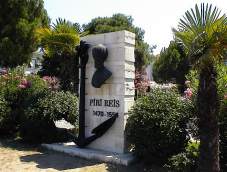 |
| Piri Reis
Anıtı |
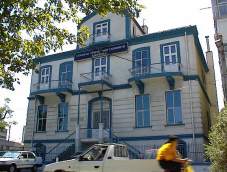 |
| Ç.O.M.Ü.
Rektörlük Binası |
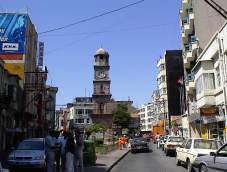 |
| Çanakkale
tarihi saat Kulesi |
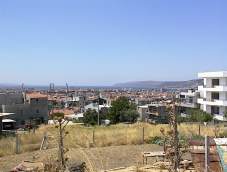 |
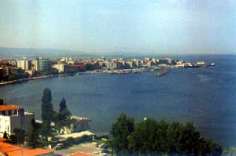
| Çanakkale
Genel Görünüm |
 |
| Çanakkale |
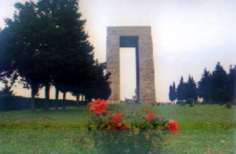 |
| Çanakkale Şehitler Abidesi |
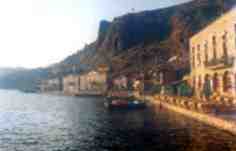 |
| Asos |
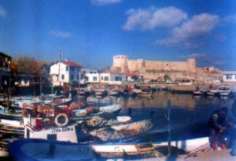 |
| Bozcaada |
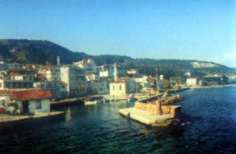 |
| Kilitbahir |
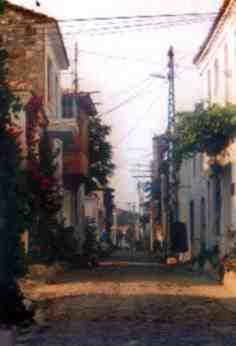 |
| Bozcaada |
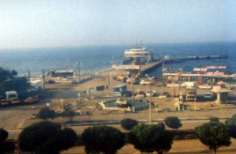 |
| Lapseki |
|