 |
| Marine Life |

|
| Baby Harp Seal Endangered - Artic Ocean The Harp seal, gets its name from the harp-shaped pattern on the dorsal side and flanks of adult seals. These patterns are more distinct on the bodies of adult males. Canadian Hunt : All three Harp seal populations are commercially hunted for oil and fur. They are most often hunted on their breeding grounds. Considering the large concentrations of Harp seals during breeding season, the hunt in Canada has been described as the largest slaughter of marine mammals in the world. It is believed that the number of Harp seals killed each year is underreported by an estimated 38-89%. Juvenile "whitecoats" were often killed for their fur in Canada and in the Arctic, however public outcry in 1983 influenced the European Economic Community to ban the import of whitecoat products, and in Canada, commercial hunting of whitecoats has been banned since 1987. |
 |
| Arctic Seal 0r Common Seal Endangered - North Atlantic & North Pacific This is a painting of a orphaned baby seal. These are smaller than grey seals and their coats are more extensively spotted. Their facial features are also different, with snub noses and nostrils that form a "V" shape. Common seals prefer hauling out on sand banks and gently shelving rocky, shingle or sandy beaches. They are found on both sides of the North Atlantic and on the Eastern seaboard of the North Pacific. The British population is distributed mainly in the Wash, the major Scottish estuaries, the Scottish islands and West Coast, and the West Coast of Ireland. Occasionally they are found off the Cornish coast. The Common Seal has the same threats as that of the Harp seal. |
 |
 |
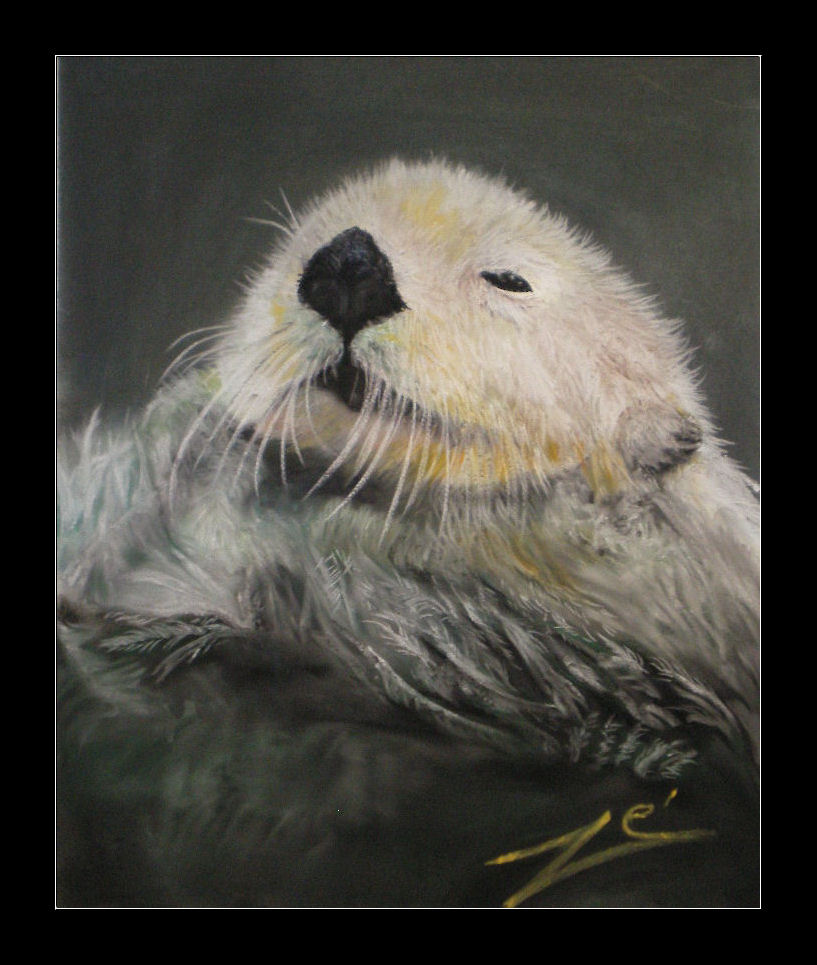 |
| Sea Otter |
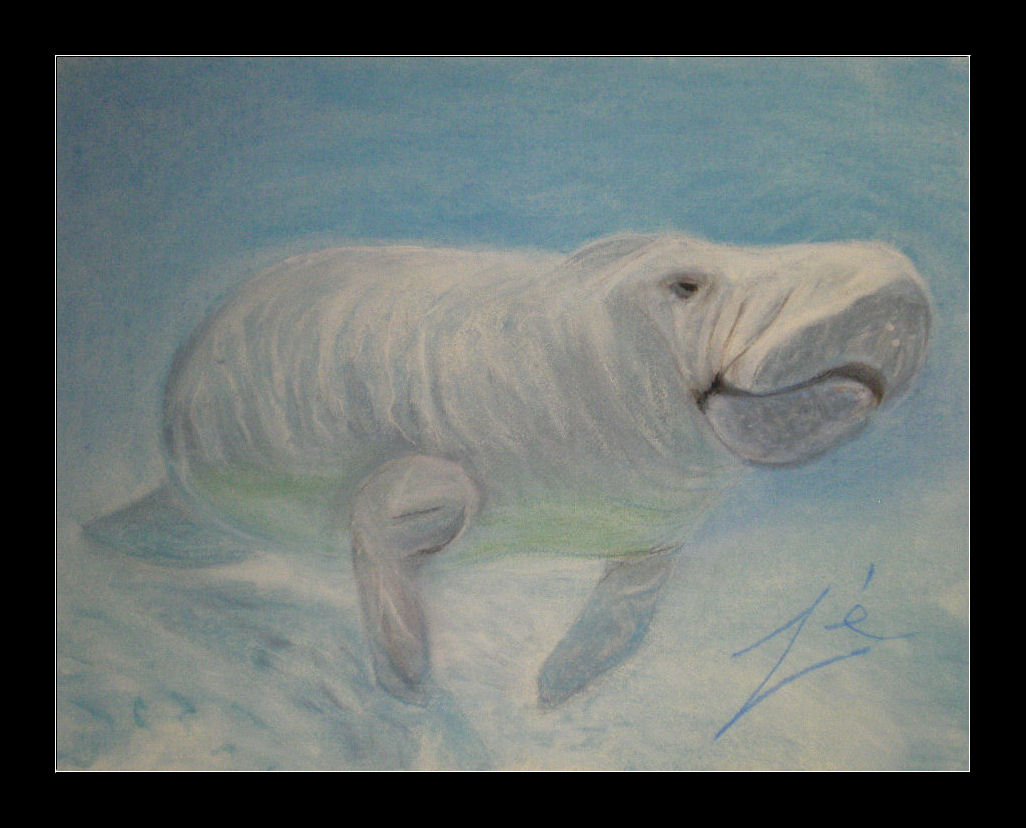 |
| Manatee |
| Manatee Endangered - Florida USA As mammals, manatees must surface to breathe air. As vegetarians, they spend up to eight hours a day pulling plants toward their mouths with their flippers and flexible lips. A large manatee eats up to 200 pounds (91 kilograms) of sea grass and water hyacinths in a single day. But the warm, shallow lagoons and coastal waters where manatees feed also hold great danger. These places are human playgrounds, where people drive powerboats and Jet Skis. Boats speed by so fast that slow-moving manatees�which often swim near the surface�can�t get away in time. �Collisions with watercraft and cuts from boat propellers are responsible for more manatee deaths than any other known cause. People�s trash chokes the animals or blocks their intestines. Cold weather can kill manatees if it makes water temperatures too low. Deadly red tides��pileups� of toxic algae�can poison manatees. This fragile species could soon die off completely. |
| Native to the North Pacific Hunted extensively for their luxurious fur, the densest of all mammals with up to 394,000 hairs per square centimeter; from 1741 onwards, sea otter populations were greatly reduced to the point of extermination in many parts of their historic range. By 1911 the world population was estimated to be just 1,000-2,000 individuals in 13 colonies. Its estimated that a half million to a million otters were killed over time and over hunted, and the population is thought to have been 150,000 to 300,000 historically before the years of the great hunt. Although several subspecies are still endangered, the otters have since been legally protected, and reintroduction efforts have shown positive results in some areas. |
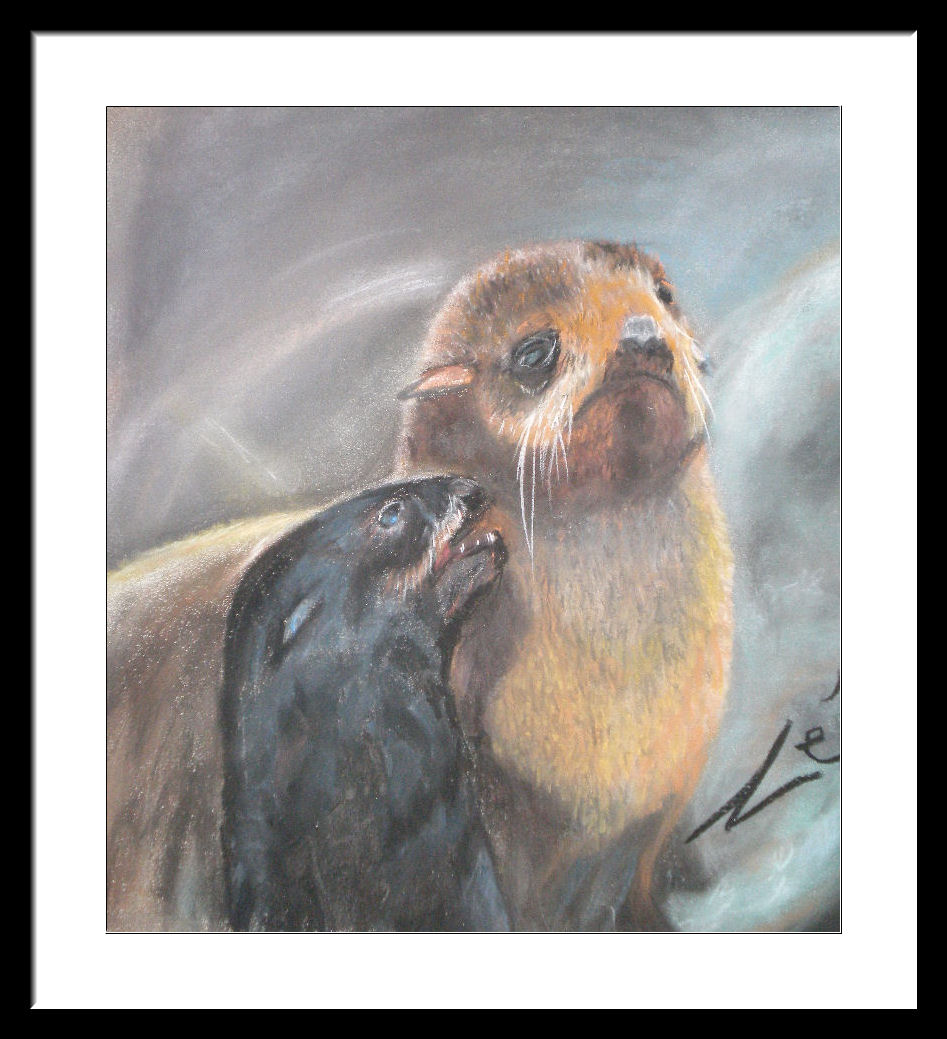 |
| Nothern Fur Seal Endangered - San Miguel Island - Pacific Ocean The Northern Seal is born to the water; after a first few days close to their mothers on land, pups dive right in. The Only during breeding season is land at a premium. Vulnerable to human hunters, populations suffer greatly. Disease and food-chain imbalances and loss of habitant remain dire threats. |