| Large Cats - Page 2 |
 |
 |
 |
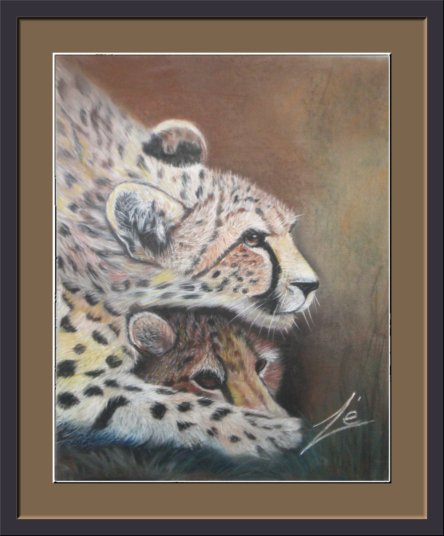
| Cheetah
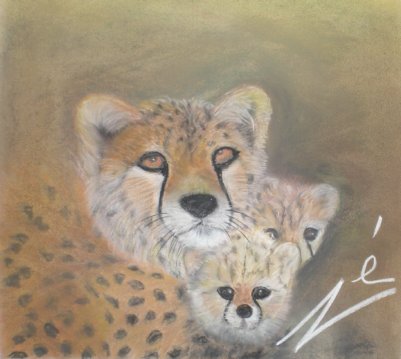
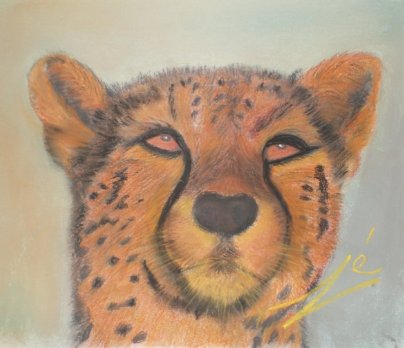
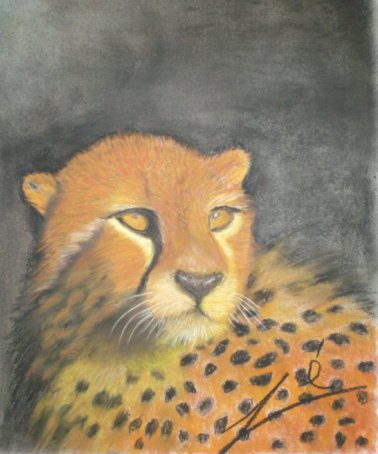
Endangered - Africa and Asia The fastest land animal in the world, the cheetah is a marvel of evolution. Capable of running up to 70 miles per hour, the cheetah's slender, long-legged body is built for speed. Its spotted coat, small head and ears, and distinctive "tear stripes" from the corner of the eyes down the sides of the nose make the cheetah highly recognizable among the large cats of Africa. Threats; Loss of habitant, hunted by farmers and the fur trade. |
 |
| Ocelot
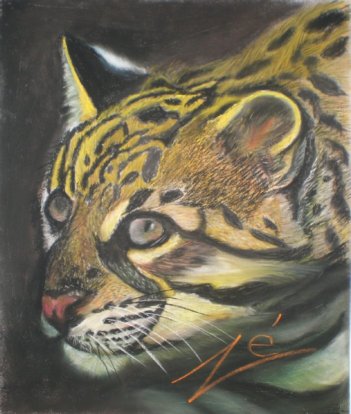
( also known as Painted Leopard) Highly Endangered - South and Central America The ocelot has a yellowy fur with many dark dark brown spots and stripes. The design on the fur is great camouflage so it blends in its environment. It can have a length of up to four feet, but mostly are only about twice the size of a large housecat. Its weight is usually between 25 to 35 pounds. Its tail is ringed, like a raccoons. Threats; Loss of habitant and hunted for it's fur. |

|
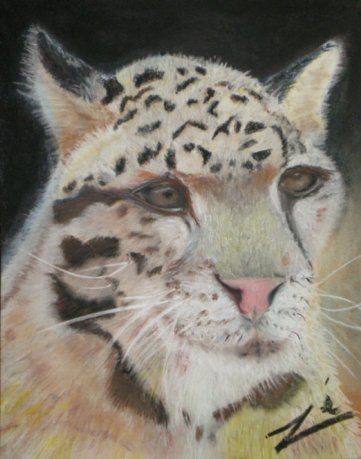 |
| Clouded Leopard
Critically Endangered - Asia The clouded leopard is named for the cloud-like spots of its coat that provide camouflage in its forest habitat. Clouded leopards are one of the best climbers in the cat family. They are able to climb upside down underneath tree branches and hang from branches with their hind feet. Little is known about the wild behavior of clouded leopards due to their extremely secretive nature. Loss of habitant and pouching are their biggest threats. |
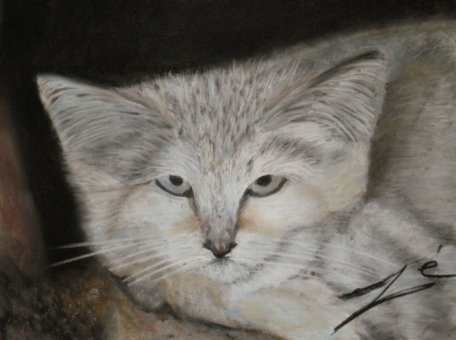 |
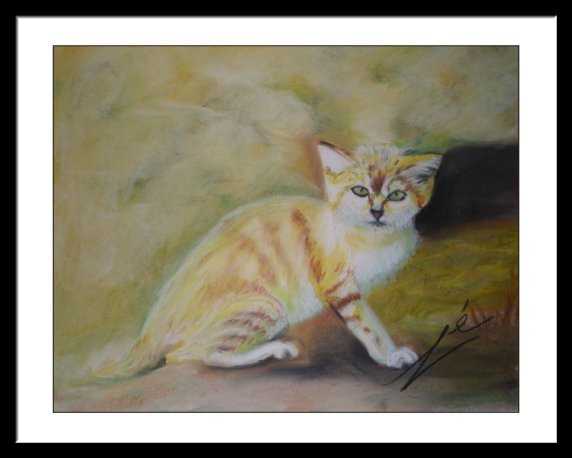
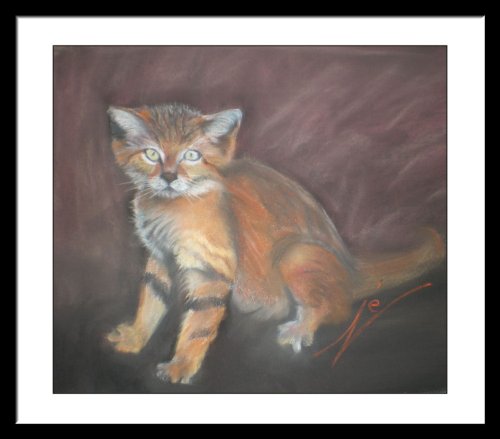
| Sand Cat Endangered - North Africa & Middle East Pakistan, Arabia, south Asia These tiny (3-11 pound) cats live in sandy and stony deserts in northern Africa and the Middle East. They can live far from water sources by utilizing moisture from their prey (rodents, snakes, etc). They are a pale yellow color with a ringed tail. The sand cat's ears are large and set widely apart and low on the sides of the head. They are nocturnal in their native habitat. Loss of habitant, trapped for its fur and also killed by farmers are the biggiest threats. |
 |
 |
 |
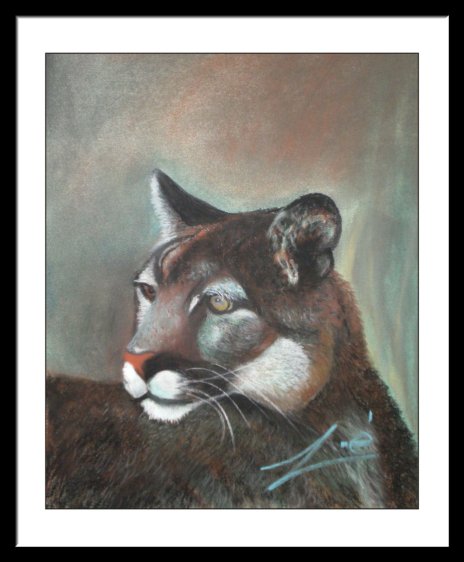 |
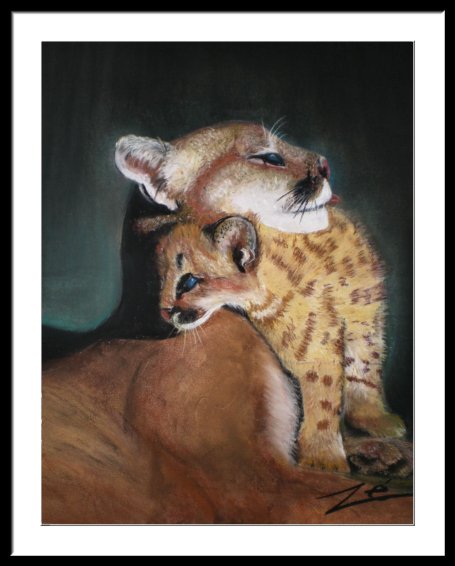
| Florida Panther (Cougar - Puma) Critically Endangered - Florida USA Southern Florida is a fast-developing area, and declining habitat threatens this species. The two highest causes of mortality for the Florida panthers are automobile injuries and aggression between panthers for territory. The primary threats to panthers include habitat loss, habitat degradation, and habitat fragmentation. |
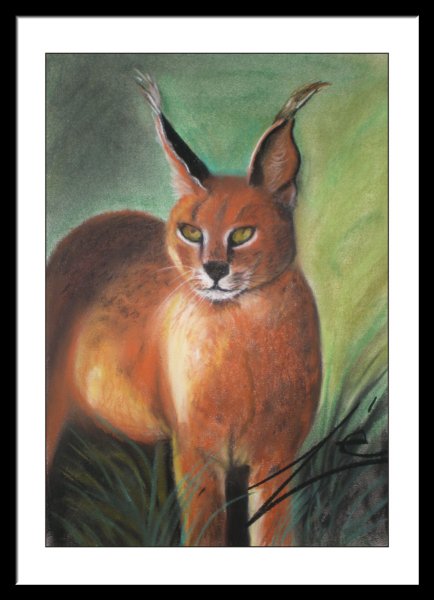 |
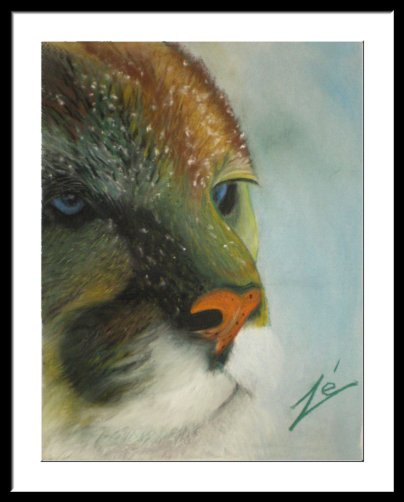
| Caracal (also called Persian Lynx or African Lynx) Africa - Southeast Asia The caracal's back and sides are typically tawny reddish brown, with a lighter underside. They have contrasting black ears with dramatically long black tufts. They have relatively short tails (but are not bobtailed). Caracals are shorter and more compact than servals, but are much more heavily built. Caracals are endangered in Asia, yet hunted as vermin in South Africa. They are common in Israel, rare in Pakistan, and almost extinct in India. The species is considered plentiful in southern Africa, Nambia, Botswana, and most of eastern and southeastern Africa. Habitat loss and hunting take thier toll as with many species. |
 |
| Iriomote Wildcat |
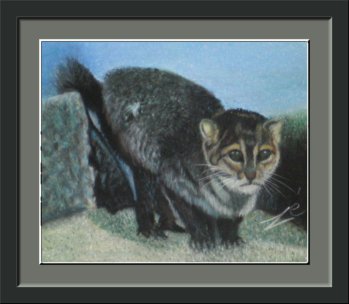
| Iriomote Wildcat Critically Endangered - Japanese Island of Iriomote The Iriomote Wildcat is a wild cat about the size of a domestic cat that lives exclusively on the Japanese island of Iriomote. It is considered a "living fossil" by many biologists because it has not changed much from its primitive form. The Iriomote Cat is one of the most threatened species of cat (formerly considered a subspecies of the Leopard Cat), with an estimated population of fewer than 100 individuals. It has dark brown fur, a bushy tail, and it is not able to sheathe its claws. |
| Caracal |
 |
 |