| Birds |
 |
 |
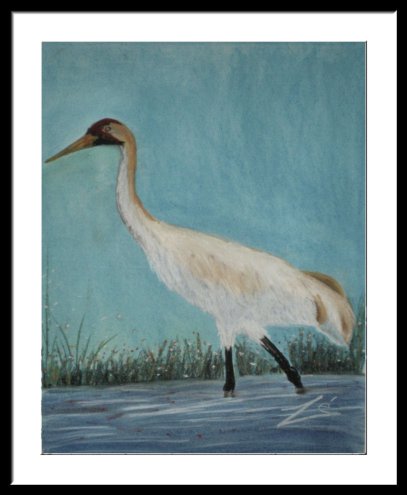 |
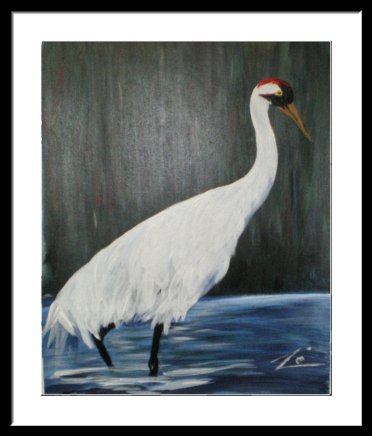
| Whooping Cranes - North America The fight to save it from extinction is slowly but successfully increasing its numbers. Whooping cranes are one of three Canadian bird species listed as globally endangered by the World Conservation Union. The current world population is descended from only 16 individuals. Thanks to a long-term co-operative international conservation effort, whooping cranes have come back from the brink of extinction in the 1940s. Although their numbers are increasing, they remain one of the most threatened of the world's 15 crane species with only about 450 individuals in existence. The long term survival of this species depends on the development of new wild flocks using reintroductions from conservation breeding programs. |
 |
 |
 |
 |
 |
 |
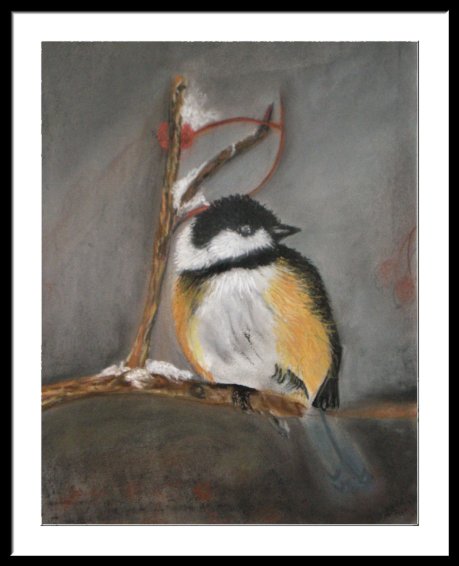
| Black-Capped Chickadee |
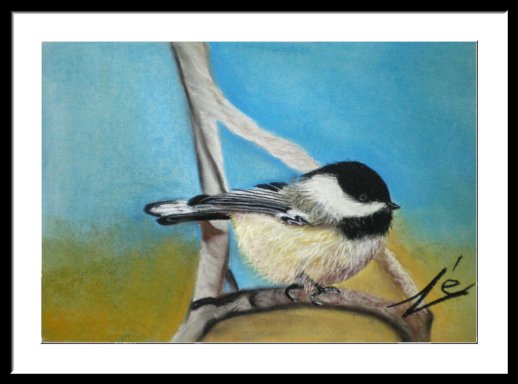
| Black-Capped Chickadee |
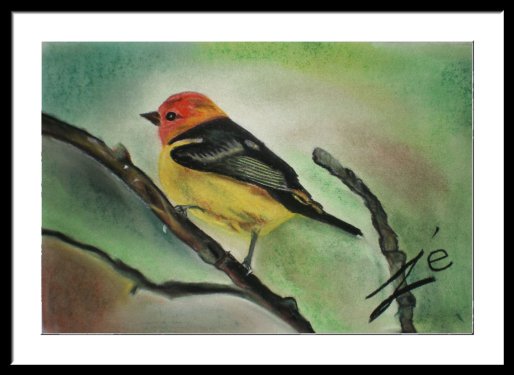
| Western Tanager |
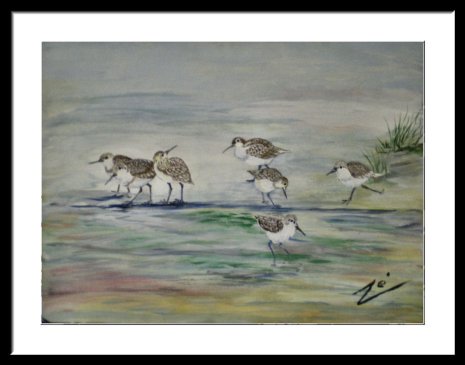
| Sand Pipers |
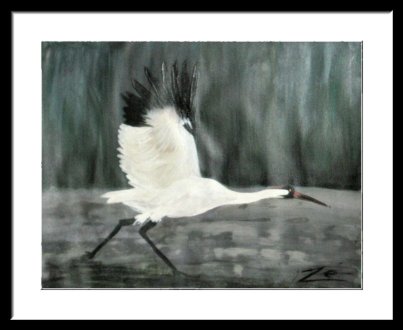
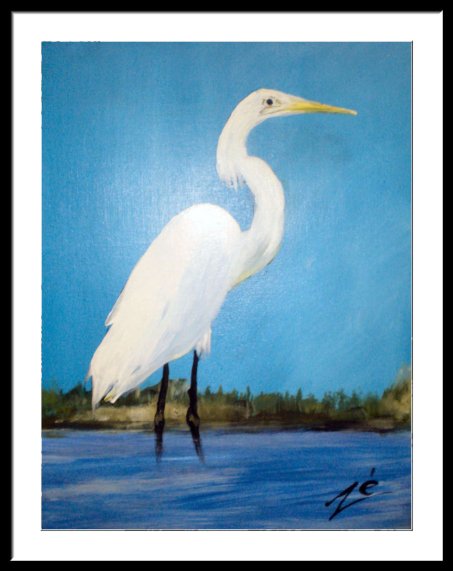
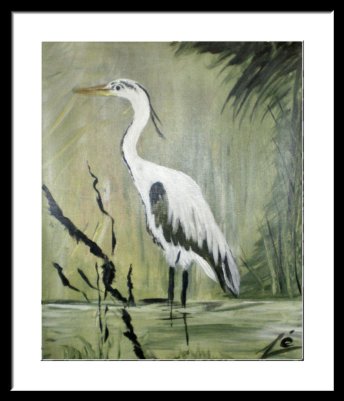
| Great White Egret |
| Heron |
| Whooping Crane |
| Whooping Crane |
| Whooping Crane |
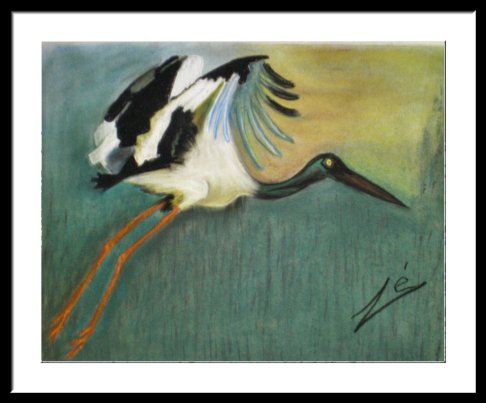 |
| Black-necked Stork |
| A large white heron, the Great Egret is found across much of the world, from southern Canada southward to Argentina, and in Europe, Africa, Asia, and Australia. It's the largest egret in the Old World, and thus has garnered the name Great White Egret. But in the Americas, the white form of the Great Blue Heron is larger and warrants that name. In the United States, the Great Egret used to be called the American Egret but that was hardly appropriate, since the species range extends beyond America and indeed farther than other herons. Great White Egret was very nearly made extinct by the trade in their feathers for the fashion industry |

|
| The Black-necked Stork, or Jabiru, is the only stork found in Australia. Standing at a height of 129 - 137 cm, with black and white body plumage, glossy dark green and purple neck and massive black bill, it is easily distinguished from all other Australian birds. The legs are long and coral-red in colour. This species is restricted mainly to coastal and near-coastal areas of northern and eastern Australia. Throughout the monsoonal areas of northern Australia, the Black-necked Stork is still widespread, but fewer numbers appear southwards to eastern Australia. In the past the species was found in much of eastern New South Wales, but is now extinct throughout much of this area. The range of the Black-necked Stork has been reduced with the modification of floodplains and tall reedbeds for agriculture, mining and human settlement.
The Black-necked Stork inhabits wetlands, such as floodplains of rivers with large shallow swamps and pools, and deeper permanent bodies of water. Occasionally individuals will stray into open grass, woodland areas or flooded paddocks in search of food. |
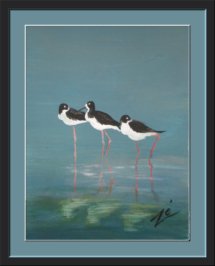 |
| Stilts |