
|
 |
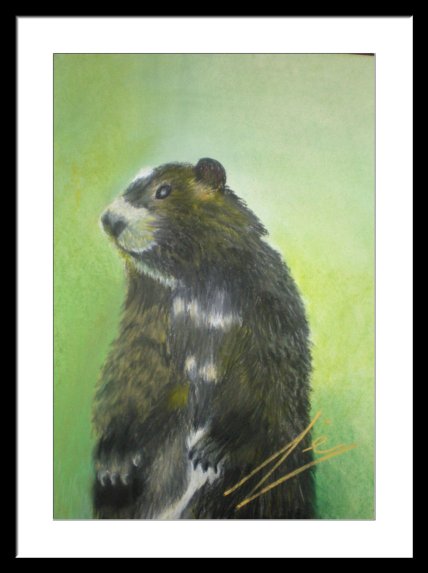 |
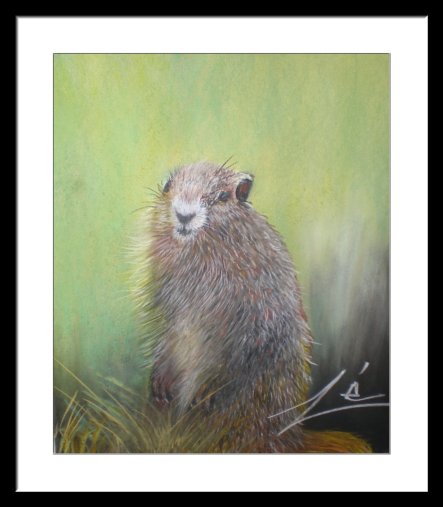
| Marmots - Vancouver Island - Canada The Vancouver marmot is a uniquely Candian species, found only on Vancouver Island in British Columbia. This marmot differs from other marmot species in behaviour, genetics and ecology and it has a unique appearance. Sadly the population has declined to about 150 animals, which makes them the rarest and Most Endangered Mammals in the World. Loss of habitant ( Logging), exposing them to preditors such as wolves, cougars and golden eagles are responsible for the significant losses of their colonies. |
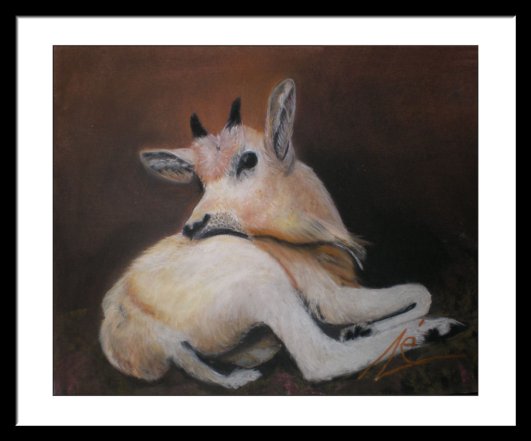 |
| Addax (young) |
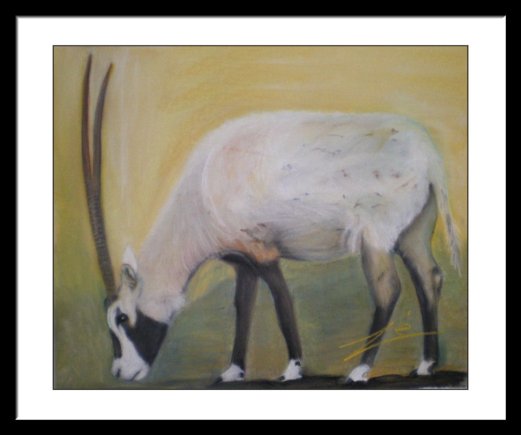 |
| Scimitar Oryx |
| Addax Critically Endangered - Mauritania, Niger and Western Sahara The Addax is a critically endangered desert antelope that lives in several isolated regions in the Sahara desert. Although extremely rare in its native habitat, it is quite common in captivity and is regularly bred on ranches where they are hunted as trophies. Addax live in desert terrain where they eat grass, and leaves of what bushes there are. Addax don't drink, but get all the moisture they need from their food. Addax are nocturnal: they rest during the day in depressions they dig for themselves. |
| Scimitar Oryx Extinct in the Wild (it is believed) Northeren Africa, Niger and Chad The Scimitar Oryx is just over a metre at the shoulder and weighs around two hundred kilograms. Its coat is white with a red-brown chest and black markings on the forehead and down the length of the nose. The horns are long, thin and parallel and curve backwards (like a scimitar) and can reach a metre to a metre and a quarter on both sexes, male and female. Scimitar Oryx were hunted for their horns, almost to extinction. Where once they occupied the whole Sahara, they are now considered to be extinct in the wild, although there have been unconfirmed sightings in Chad and Niger. |
 |
| Pygmy Rabbit - North America - smallest Rabbits in North America
Eight years ago the Pygmy Rabbit was almost extinct in Washington State in North America. As the rabbits sage brush steppe habitant was converted to agriculture, their numbers fell; in 2001 fewer than 30 were known to live in the state. Today about 80 live in captivity. On March 13, 2007 scientist released 20 rabbits, which scapered into drainage pipes that serve as tempory bburrows, but by September, predators had eaten all except one. Biologist are thinking of different ways of releasing the rabbits for their 2nd release, so they have a better chance of survival. |