
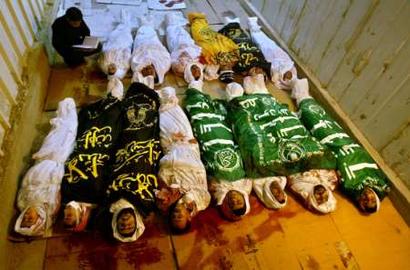
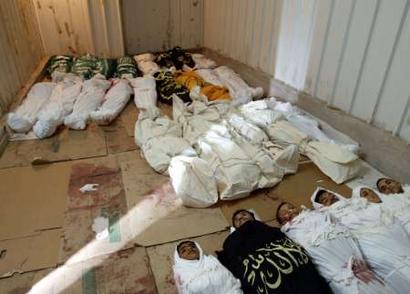
7. Since the end of September 2000, the State of Israel has killed more than 550 Palestinians through shelling and bombardments of civilian and public infrastructure, homes, schools and other places. The State of Israel has caused death and injury to more Palestinians at checkpoints and due to prevention of medical access or restrictions of movement.
8. Since the end of September 2000, the State of Israel has severely injured, maimed and wounded at least 20,000 Palestinians, leaving more than 2,000 Palestinians permanently disabled. In that same period, the State of Israel demolished more than 985 Palestinian homes.
9. Since the end of September 2000, the State of Israel has launched military attacks on Palestinian civilians. These attacks include shootings, shelling and bombings in their homes, schools, universities, hospitals, field clinics, and workplaces. The State of Israel targeted clearly marked ambulances and paramedics, journalists, and human rights defenders. The State of Israel has used heavy weaponry and ammunition against Palestinians, including bombs, mortar shells, tank shells, air-to-ground and ground-to-ground missiles fired from attack helicopters and F-16 warplanes, naval warships, tanks and armored personnel carriers. The State of Israel is also responsible for the death of Palestinians, who have been shot and killed by Israeli snipers, shooting high-velocity live ammunitions at civilians in civilian areas. In this period, the State of Israel has killed and injured a disproportionate number of women and children, clearly-marked medical personnel, human rights defenders and journalists.
10. Since 1967, the State of Israel has caused casualties by exploding objects and flares, including objects thrown from military jeeps and helicopters, mines and explosives, and flammable objects. These objects have either exploded, causing shrapnel wounds, or caught fire, causing severe burns. For example, on February 13, 1989, Iktimal Dim (6) was killed, and her brother, 'Isam Dim (10), injured by shrapnel from an exploding device thrown from an Israeli helicopter hovering above the village of Tayasir. Since 1967, a great number of Palestinians have been wounded or killed after stepping on mines or other explosives planted by the Israeli army.
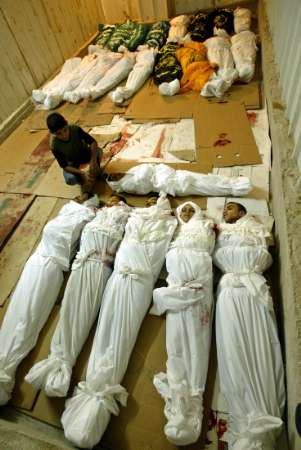
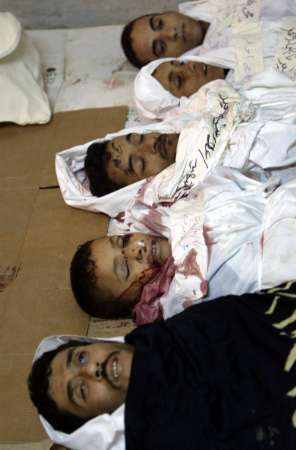
12. Between 1949 and 1956, the State of Israel killed at least 5,000 Palestinian refugees, mostly farmers trying to return home, either to live, see relatives or to harvest their crops.
13. The State of Israel has imposed severe restrictions on Palestinian movement, including through closures, besiegement, curfews and the use of trenches, fences, iron gates and walls. The State of Israel controlled, restricted, closed and altogether denied Palestinian access to key facilities, goods and services, including humanitarian aid and assistance, including hospitals and field clinics, basic supplies such as medicines, food and water, education, denial of Palestinian access to schools and universities, denial of Palestinian access to workplaces, businesses, agricultural areas, industries, family and community life.


