Brood X Cicada Invasion!
May 2004
click
images or captions to enlarge!
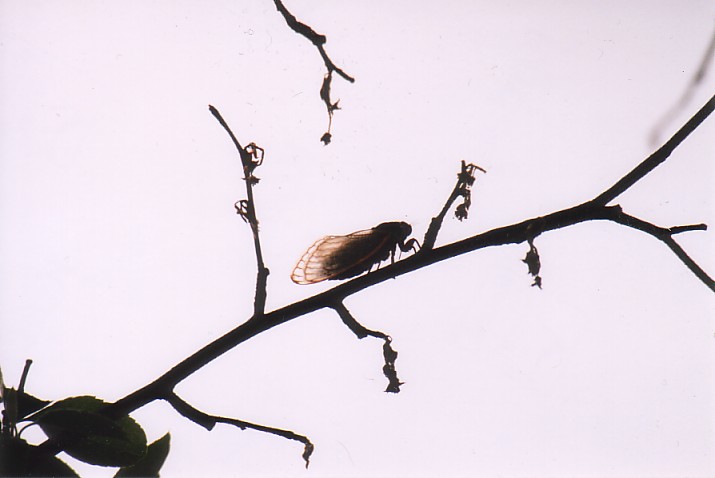
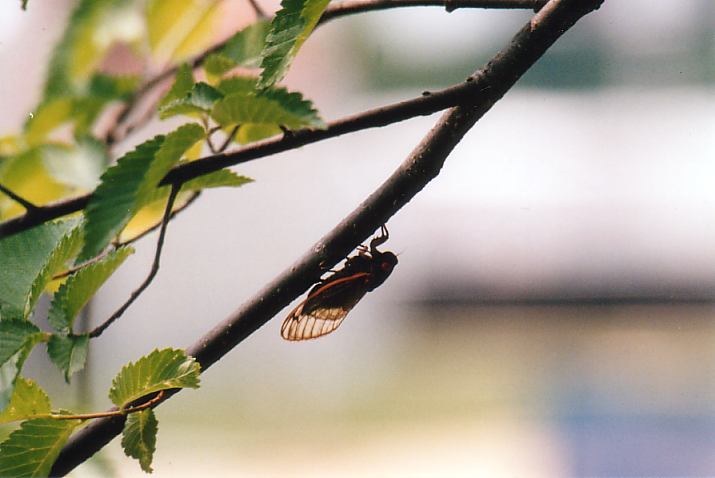
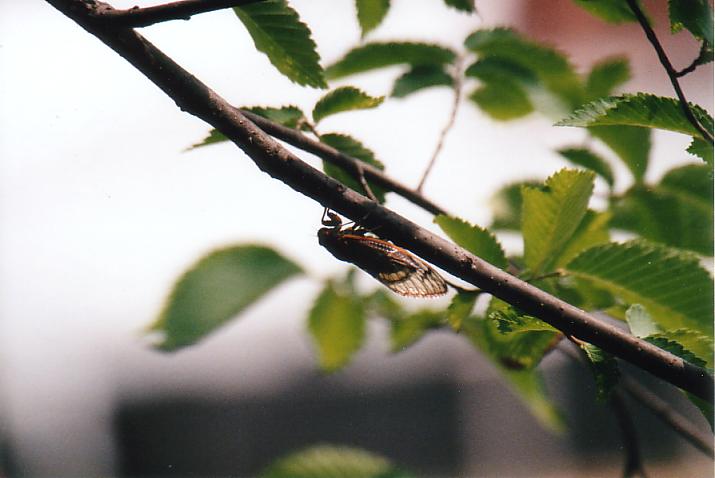
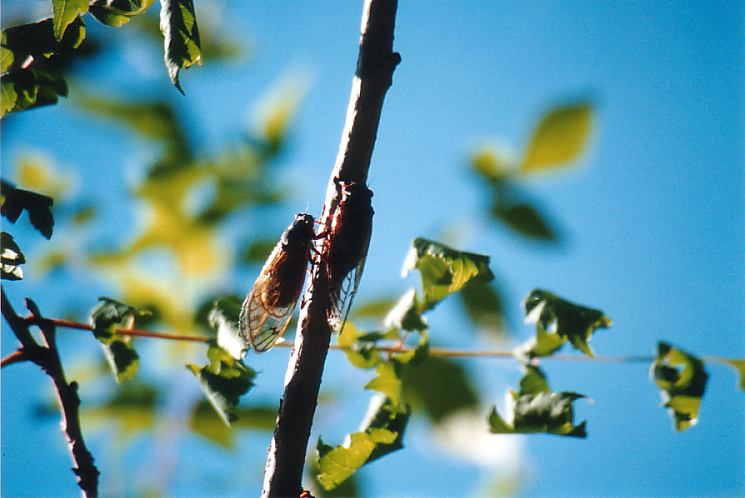
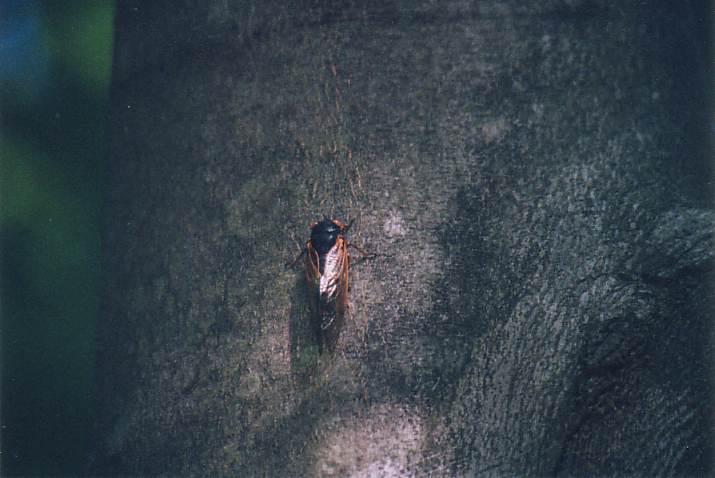
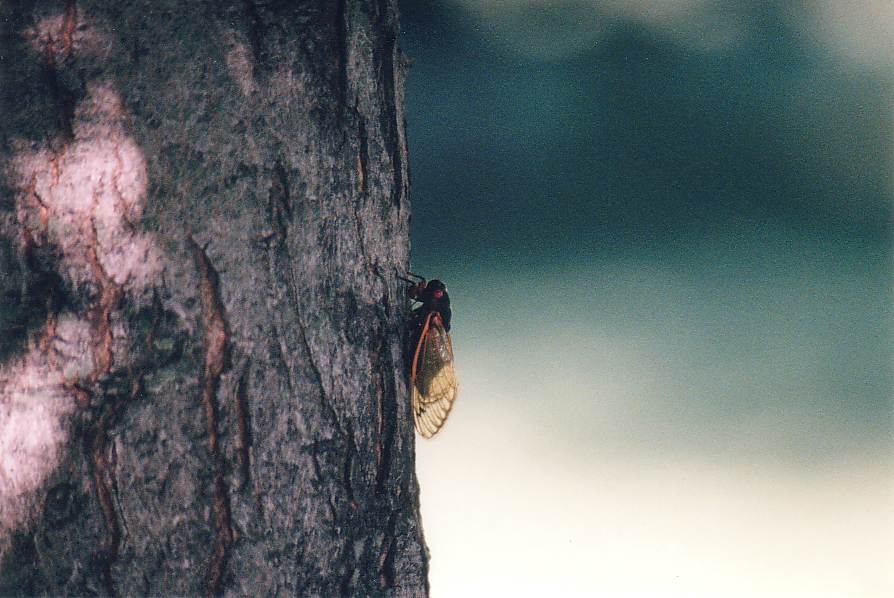
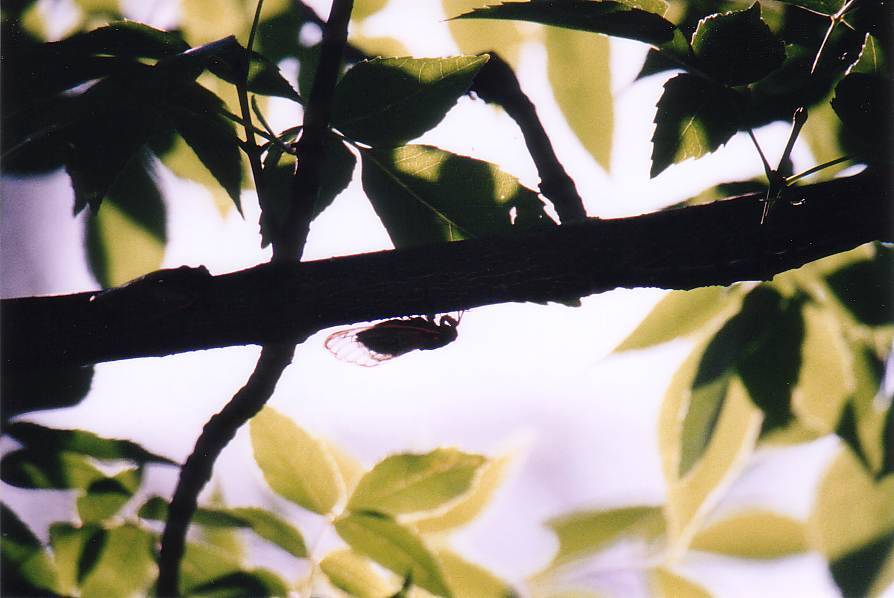
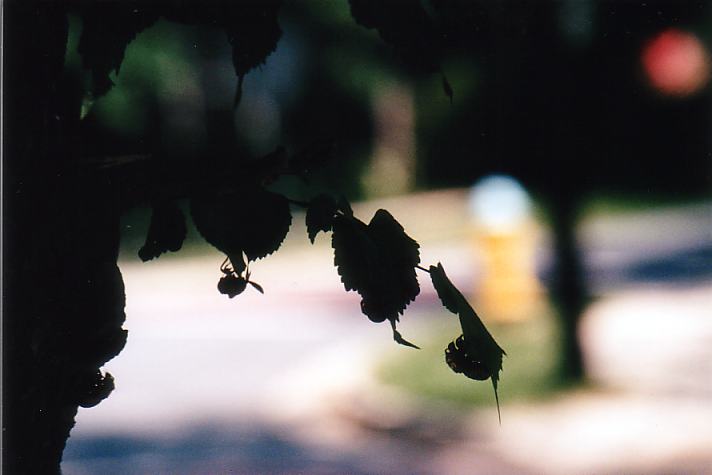
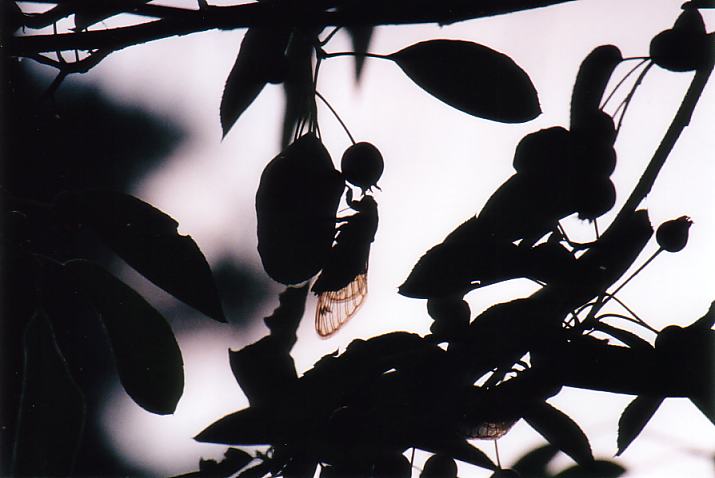
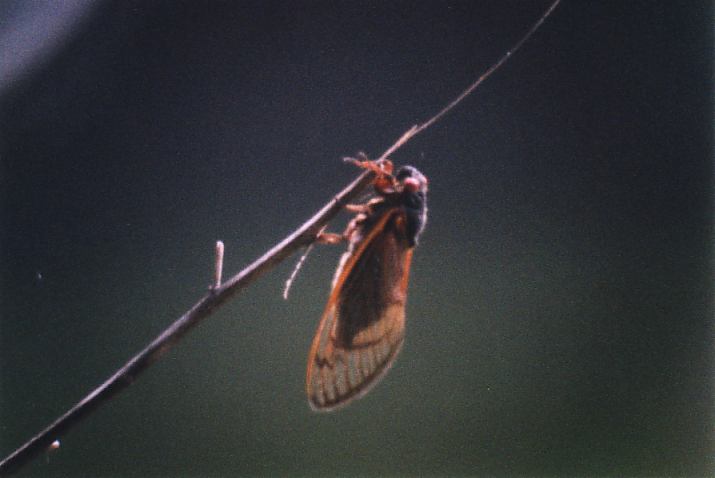
silhouette of a lone cicada resting on a branch
Three different
species of cicada native to the eastern
What makes the
“periodic” cicada especially fascinating is the way they emerge at the same
time like clockwork. A number of
distinct “broods” have been identified by entomologists, labeled by Roman
numeral, where large numbers emerge at the same time. The largest of these emergences is Brood X,
whose last emergence occurred in May 2004 and affected a wide area in varying
degrees north to southern New York, east to New Jersey, west to eastern
Indiana, south to north central Virginia and southwest to Tennessee, and
included the major metropolitan areas of Washington, DC, Baltimore, Cincinnati,
Cleveland, Columbus, Dayton, Louisville, and Philadelphia. Billions of cicadas laid billions of eggs (no
exaggeration) in the 2004 emergence.
In the
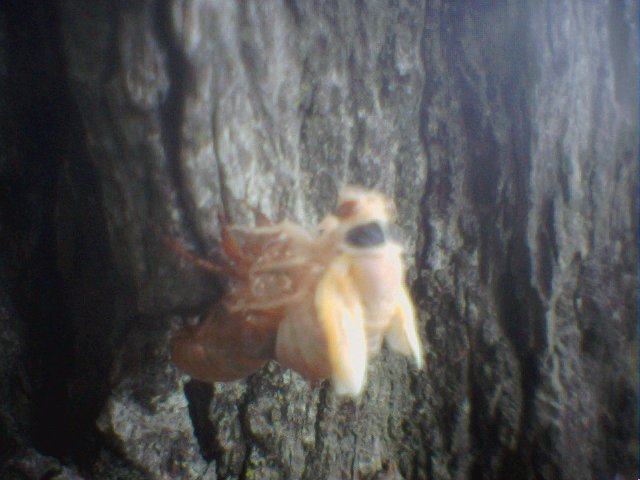
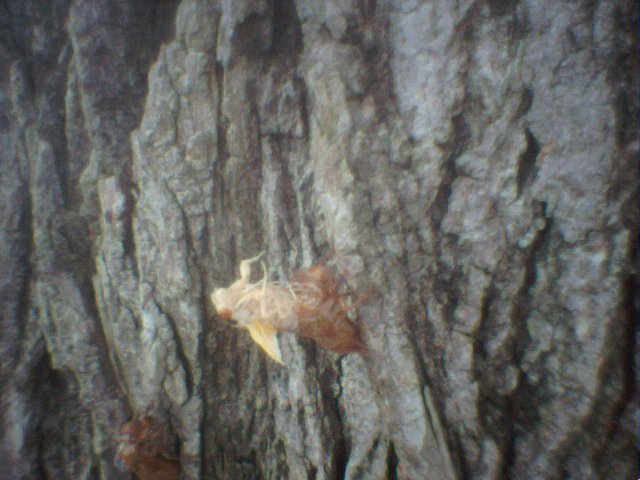
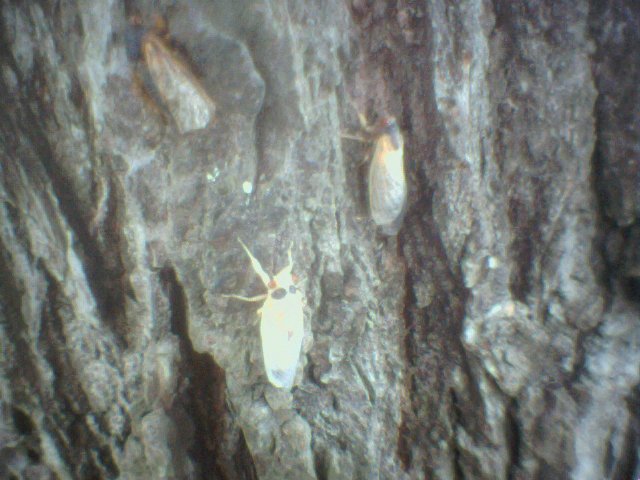
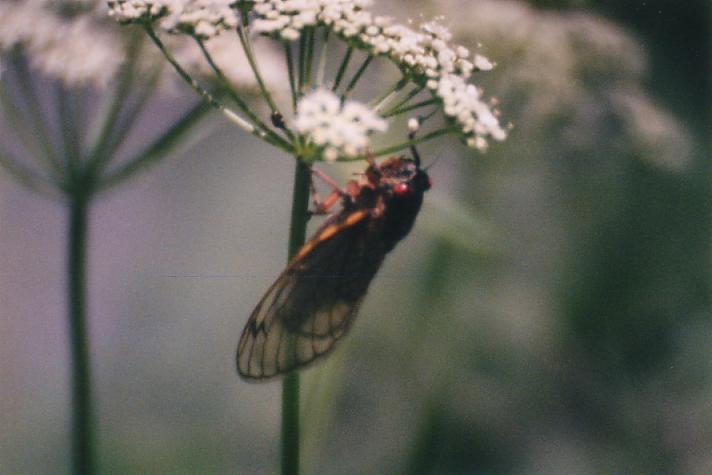
These low-res
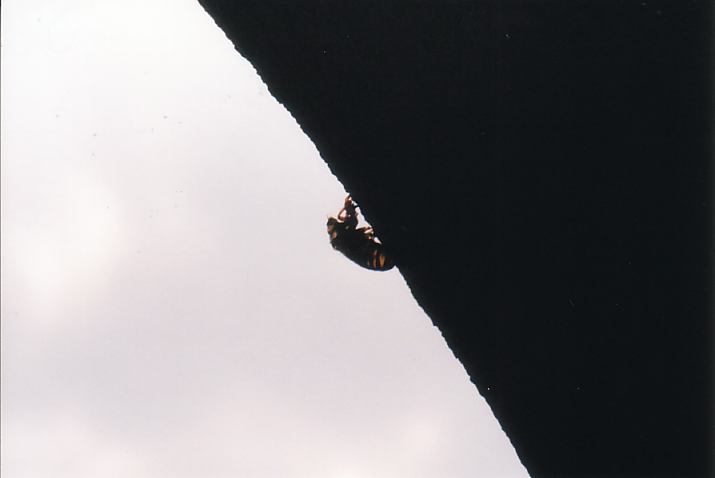
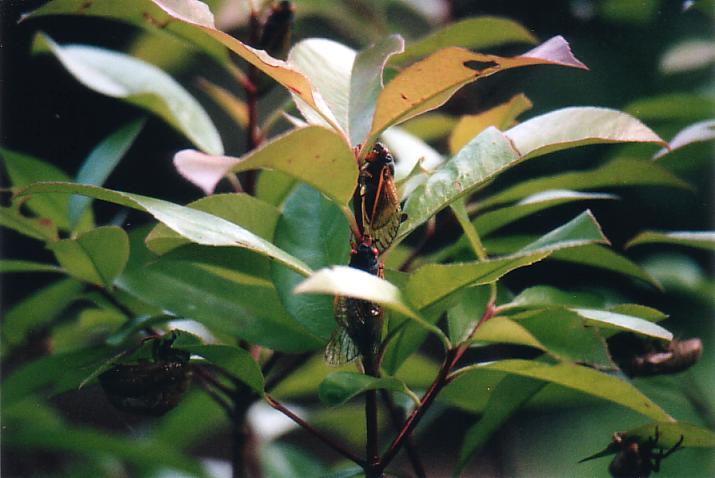
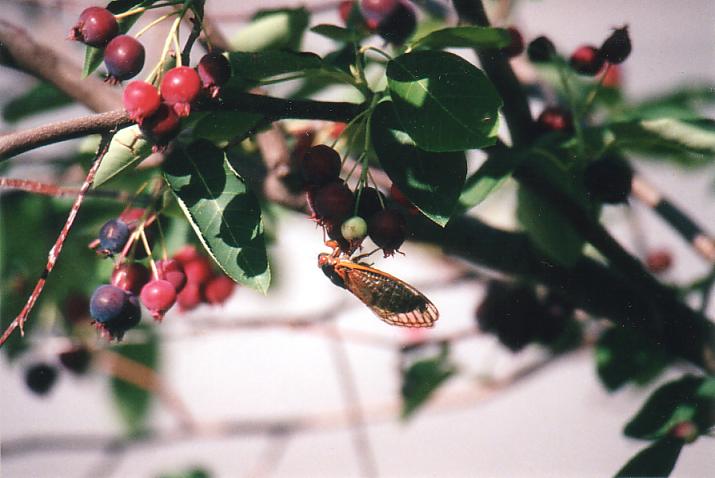
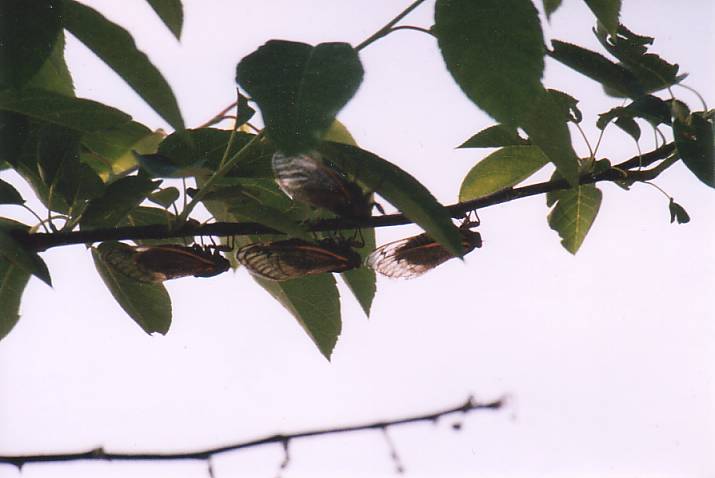
digital images show different stages of metamorphosis from larval nymph to
adulthood. The process can take a few
hours before a fully mature adult is able to fly.
|
|
|
|
|
|
|
|
Other images
from the Mall in
|
|
|
|
|
|
|
|
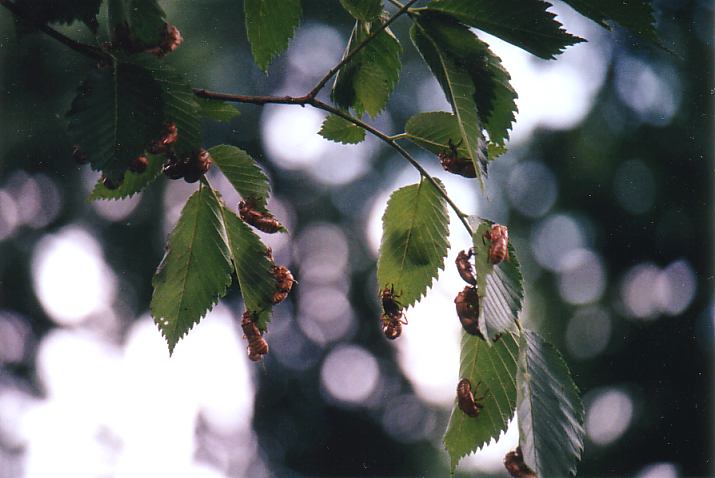
Discarded nymph shells in a natural
setting… |
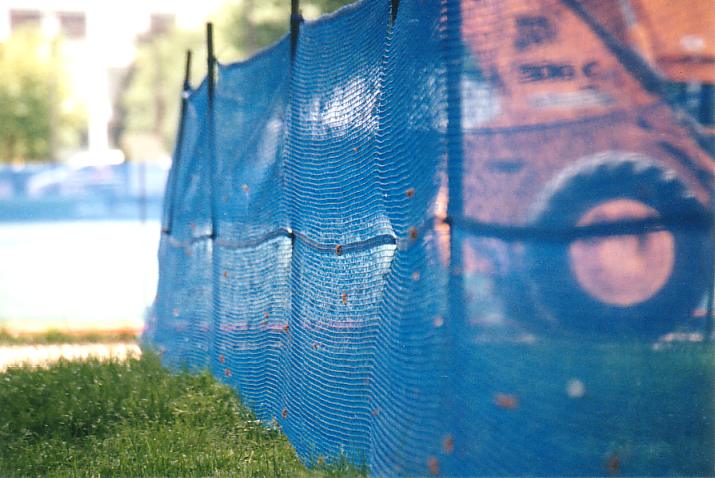
…and all over a temporary
fence. |
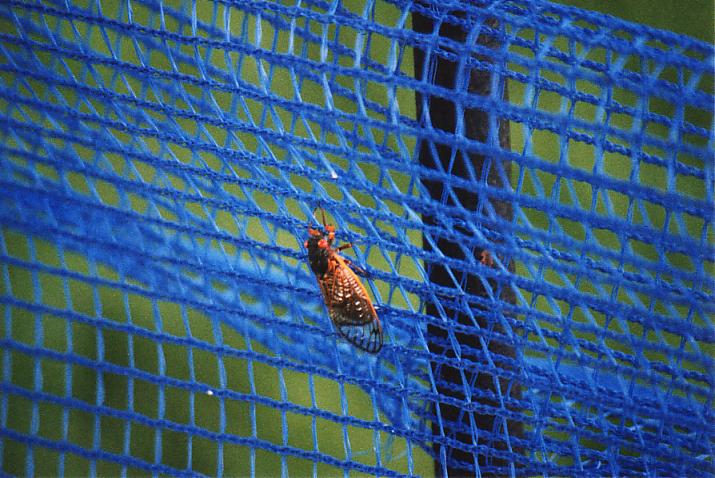
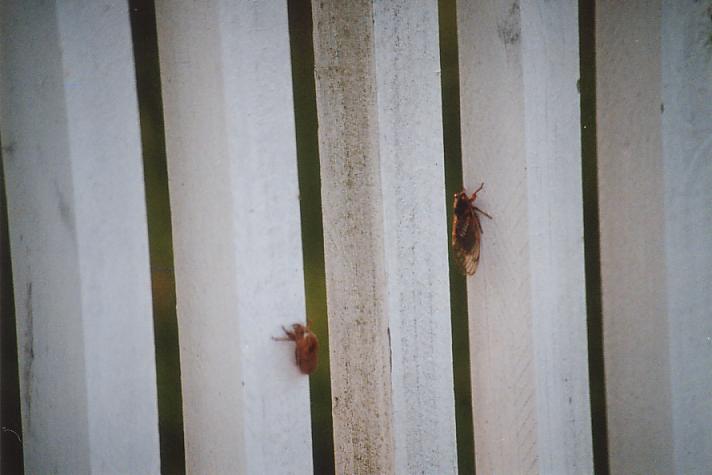
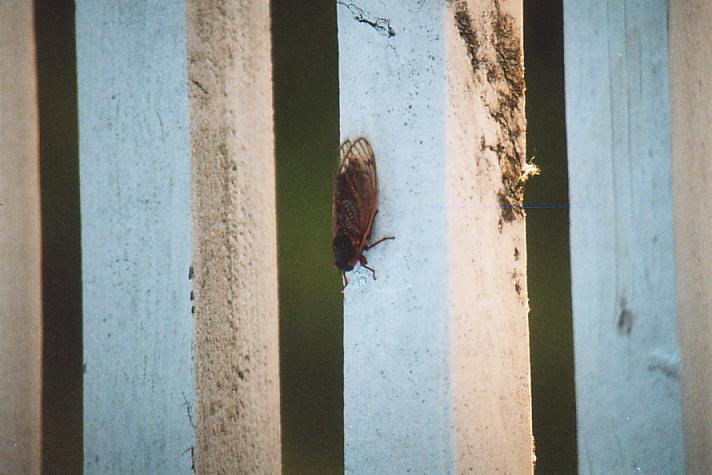
A lone
cicada on the fence |
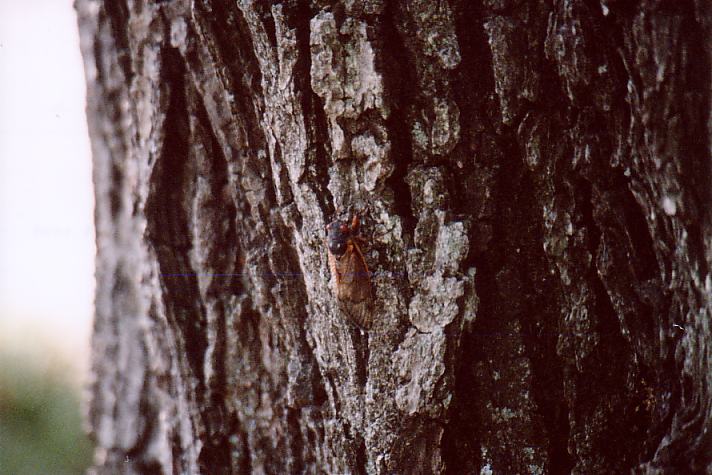
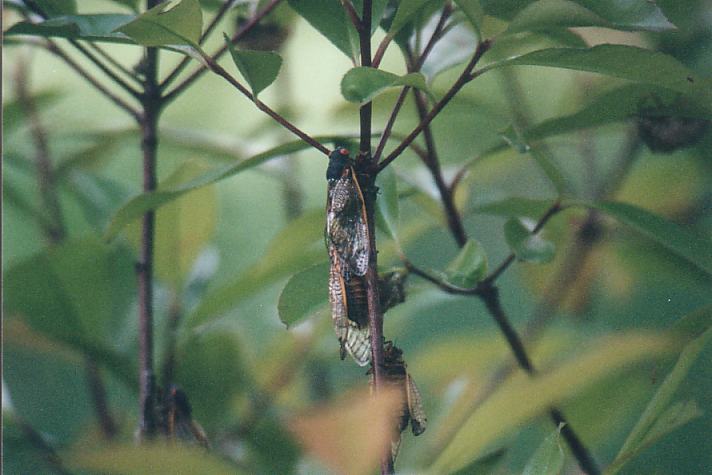
Another
lone cicada on a tree branch |
This
may not look like much, but there were patches of the Mall where they were
highly concentrated |
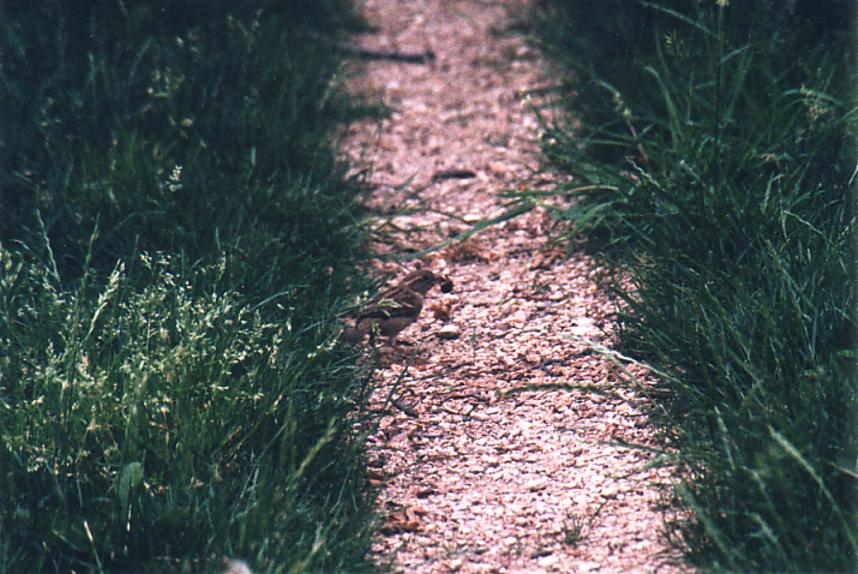
This bird snatched a free
meal out of the air |
These images
are organized by neighborhood.
Bluemont
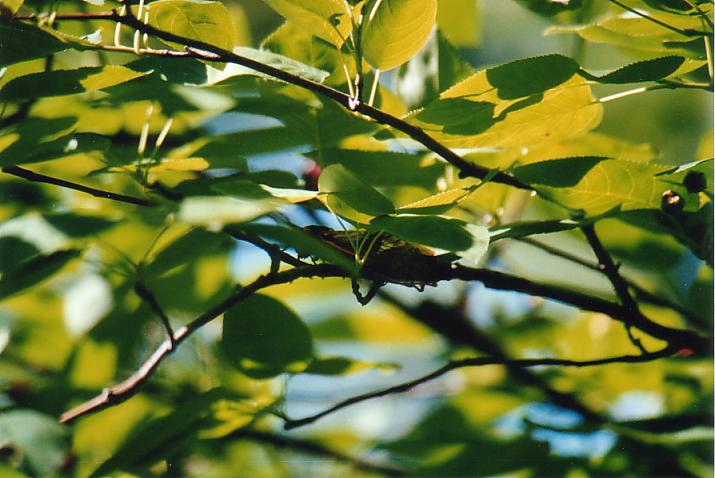
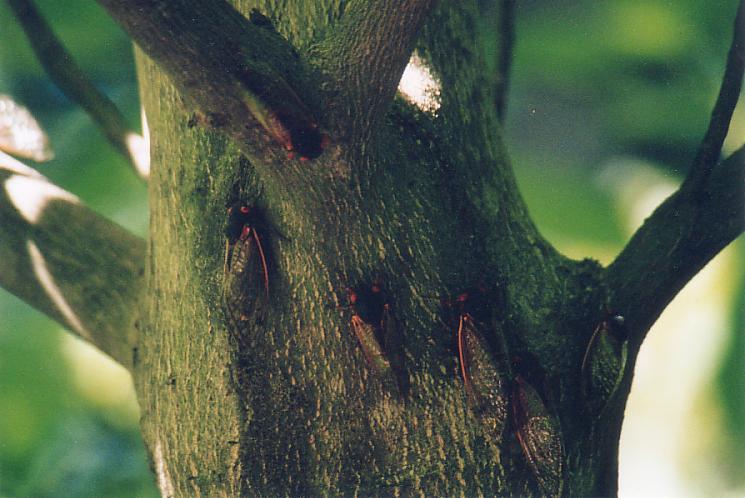
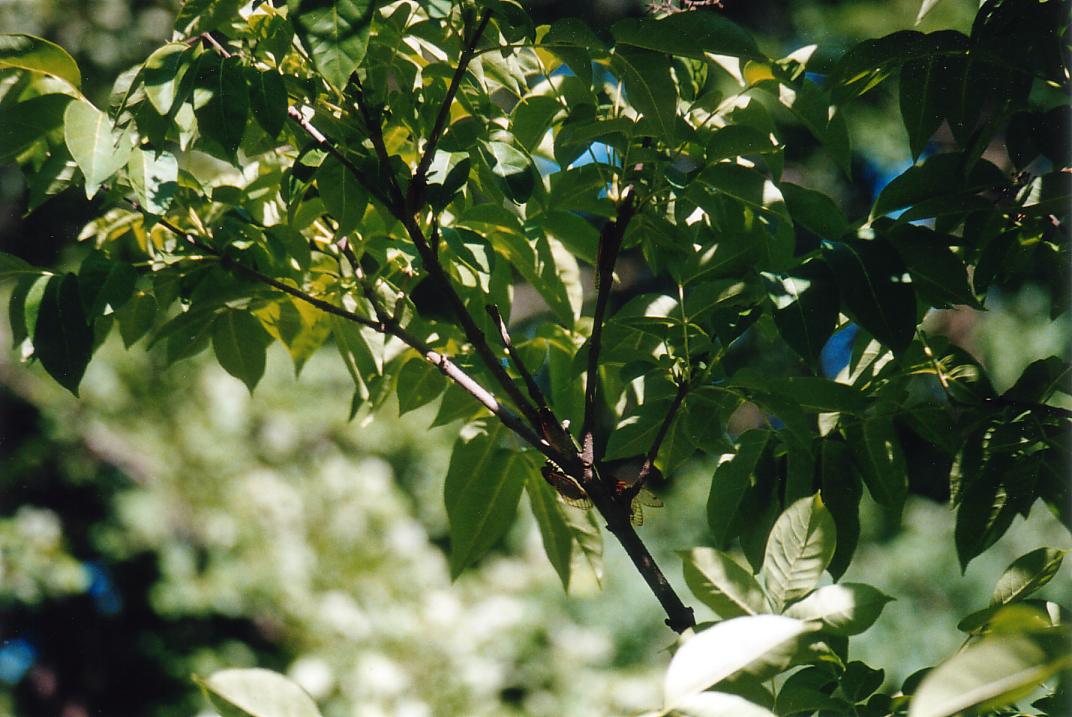
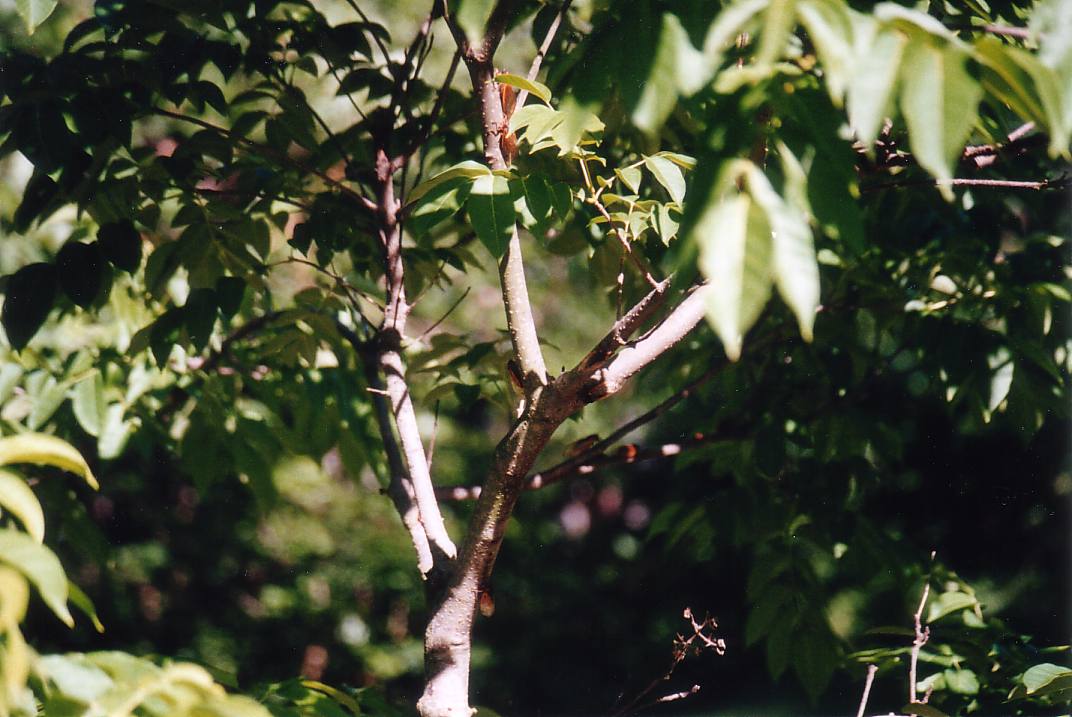
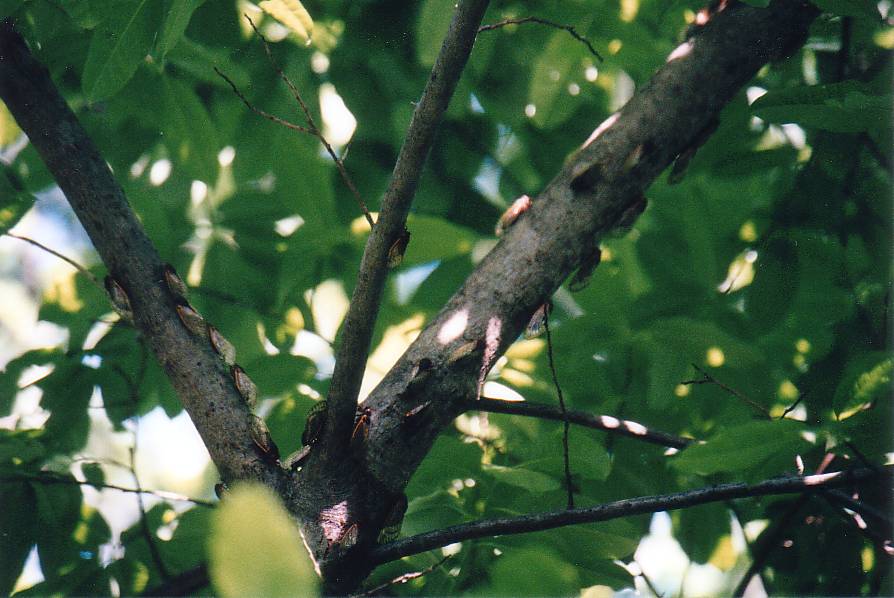
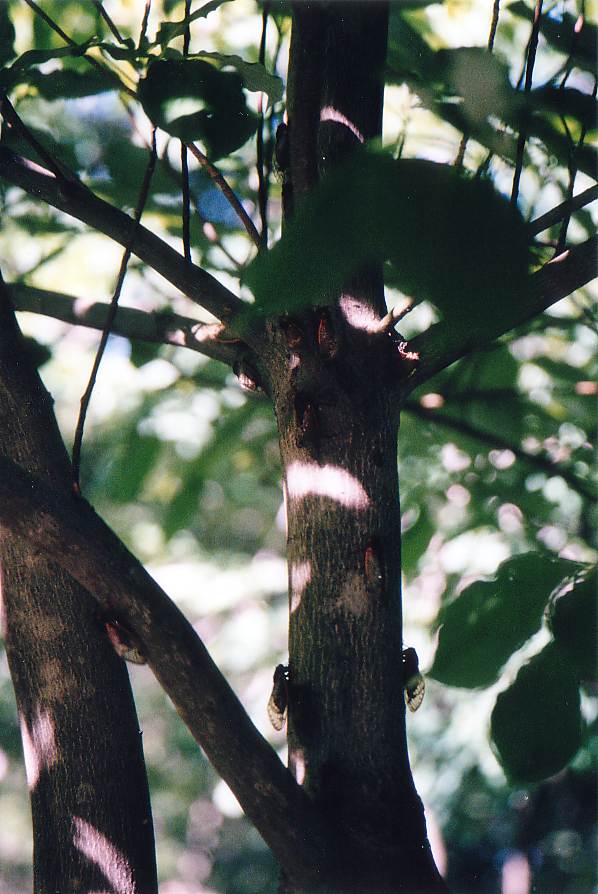
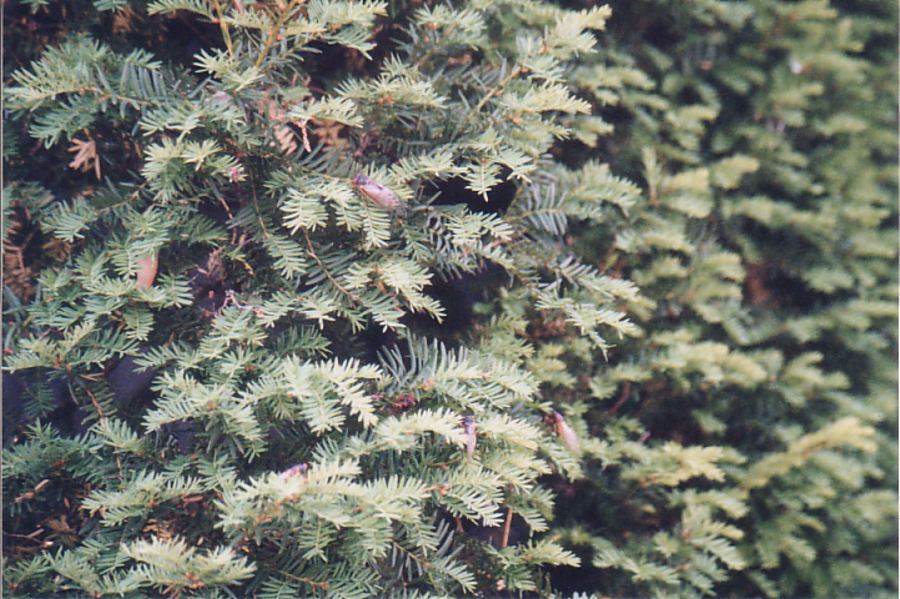
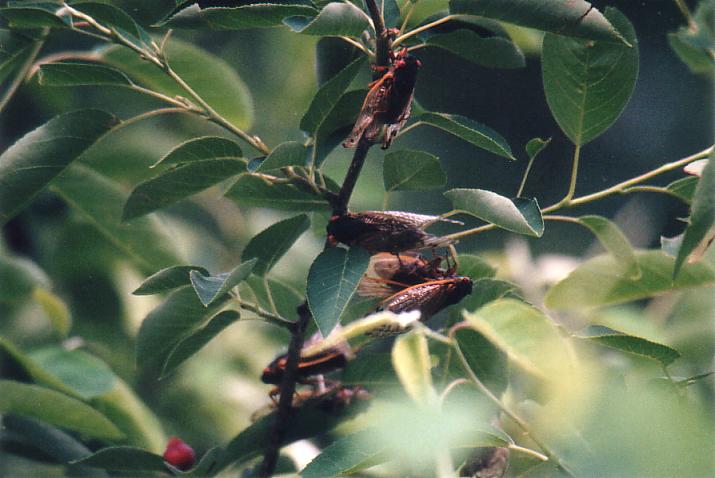
The parks, less
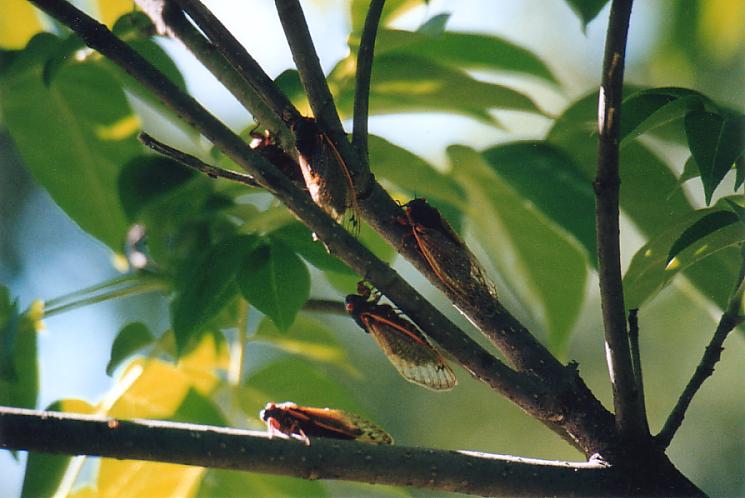
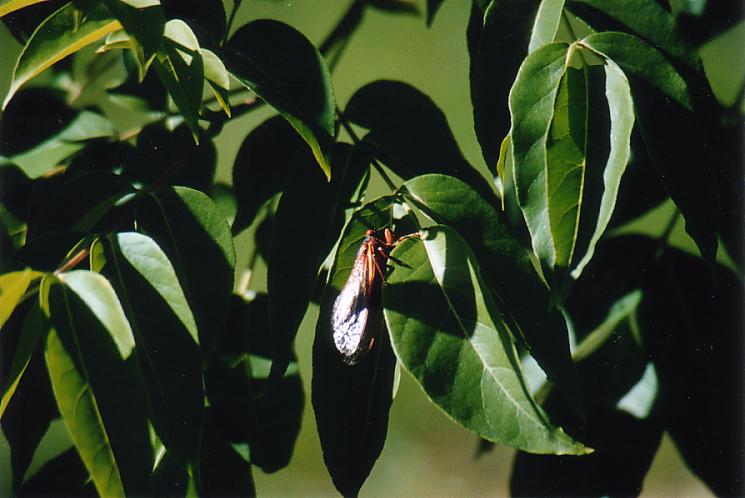
likely to be touched by development 17 years ago, were hotbeds of cicada
activity. These images are from
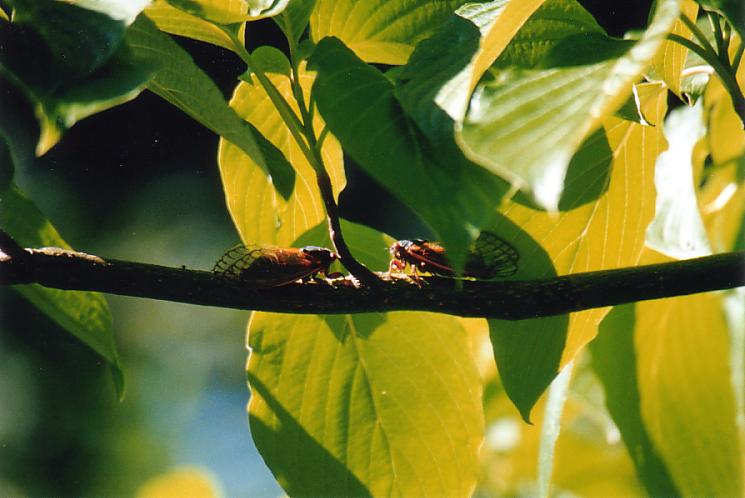
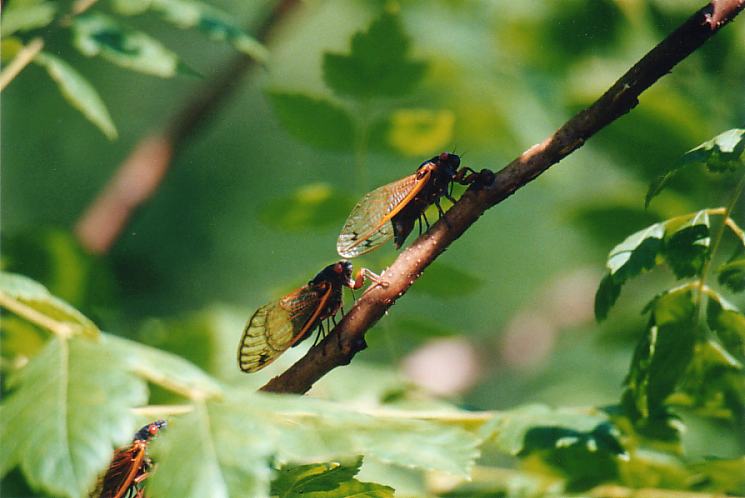
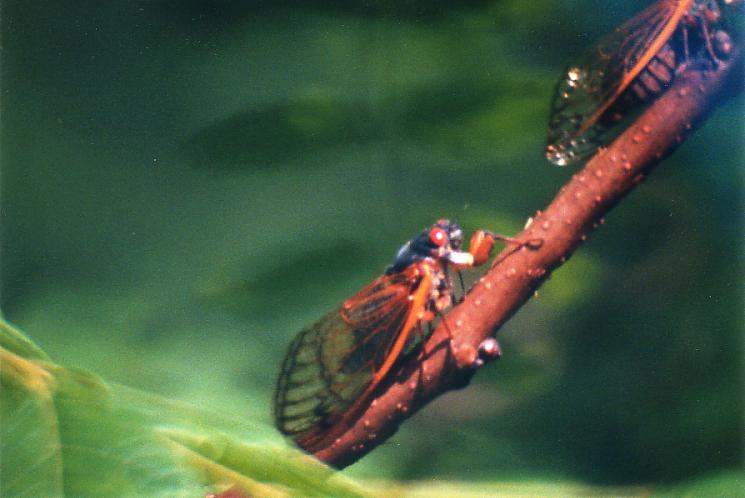
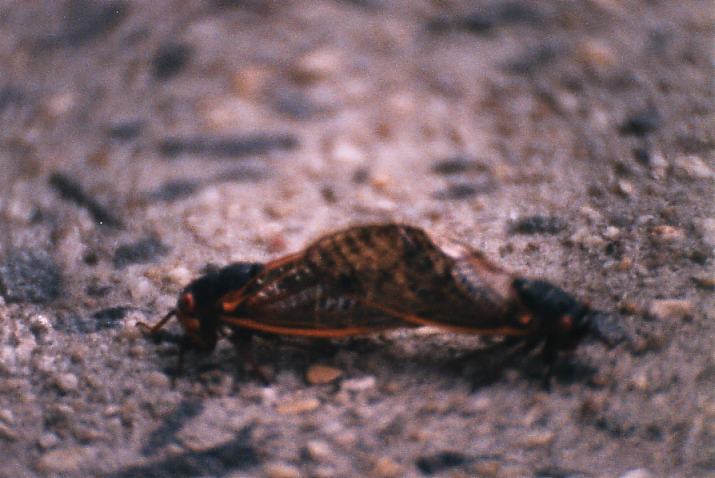
The first image
depicts a mating pair.
|
|
|
|
|
|
|
|
|
|
|
|
|
|
|
|
|
|
|
|
|
|
|
|
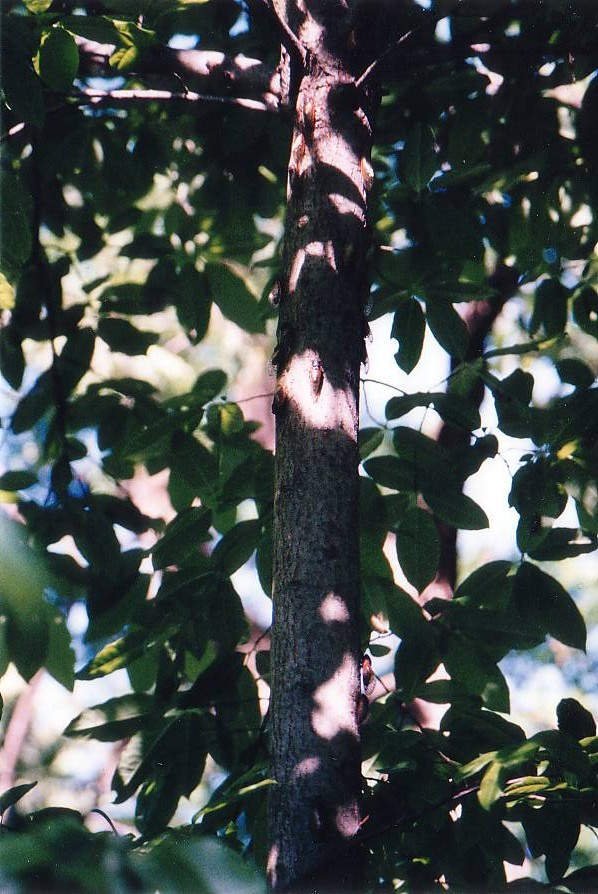
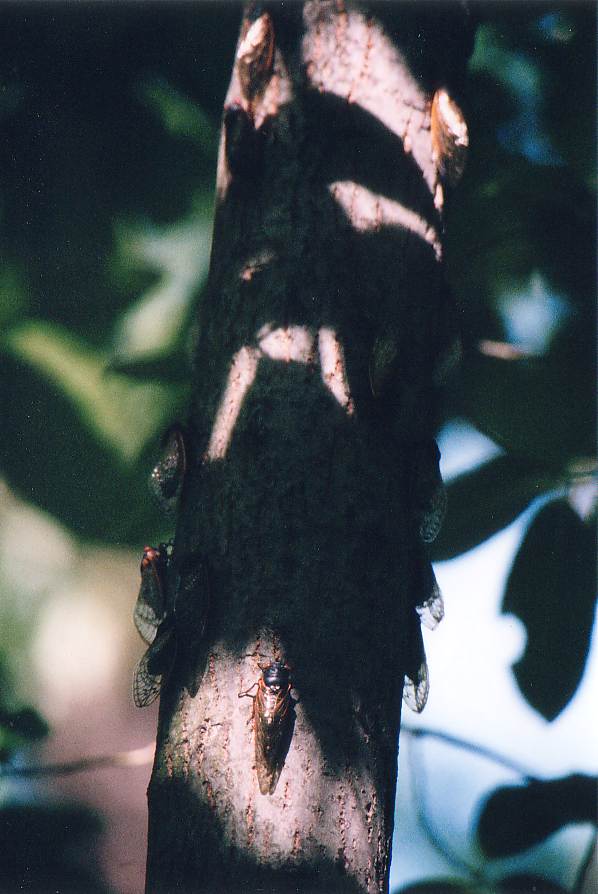
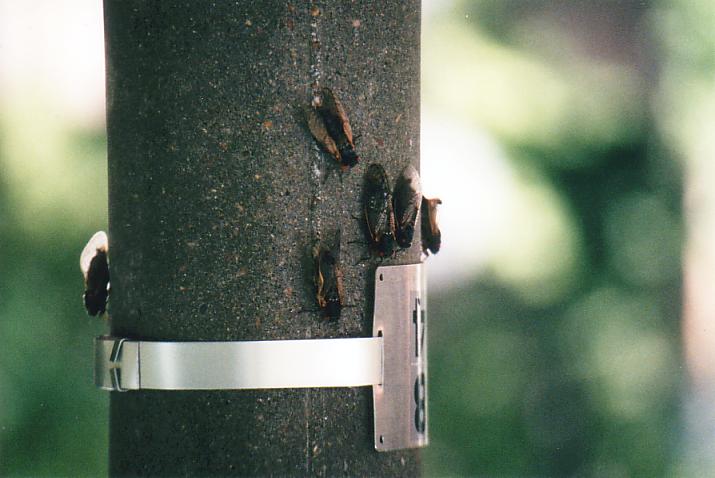
Radnor/Ft. Myer Heights
These images were
taken on the grounds of the National Marine Corps (
|
|
|
|
|
|
|
|
|
|
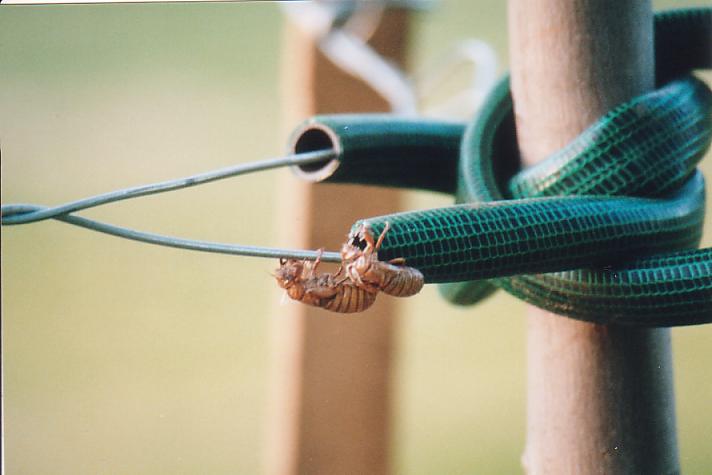
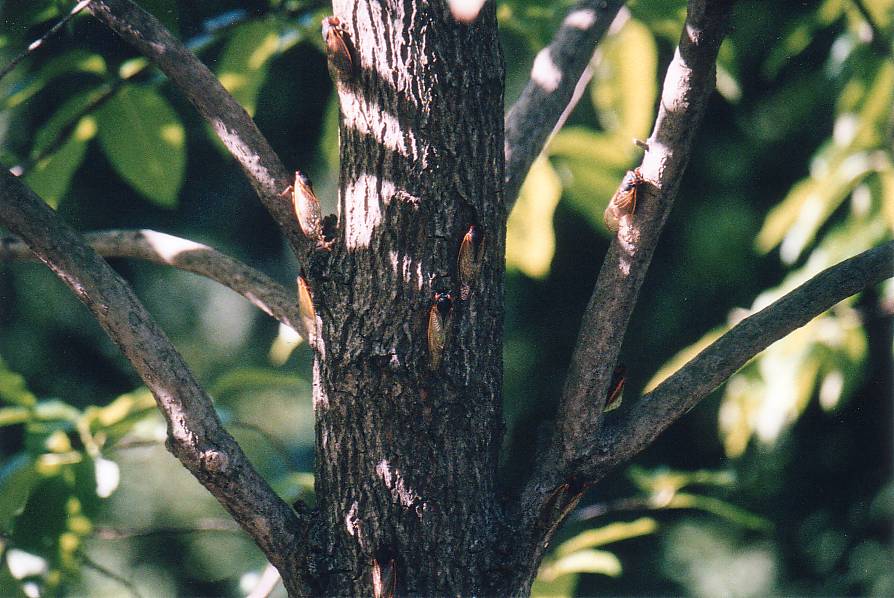
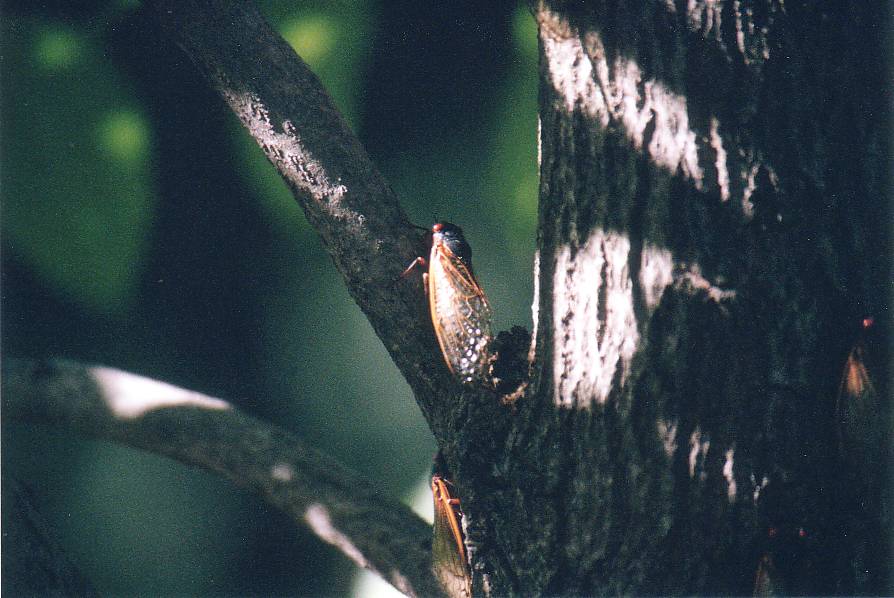
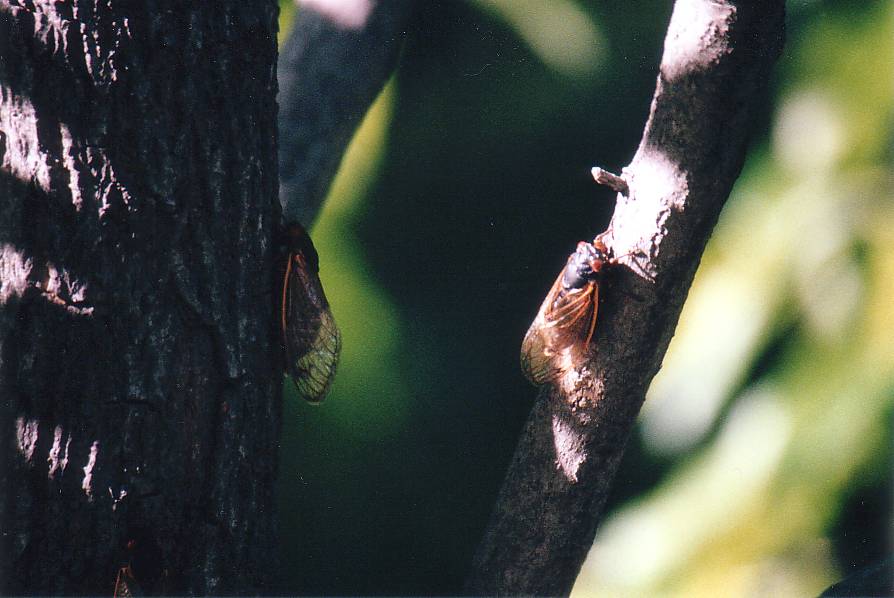
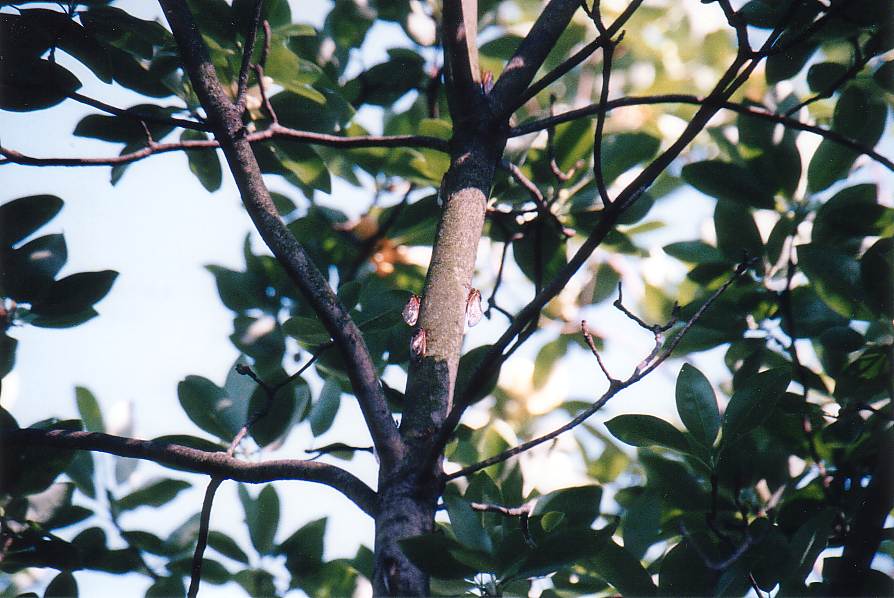
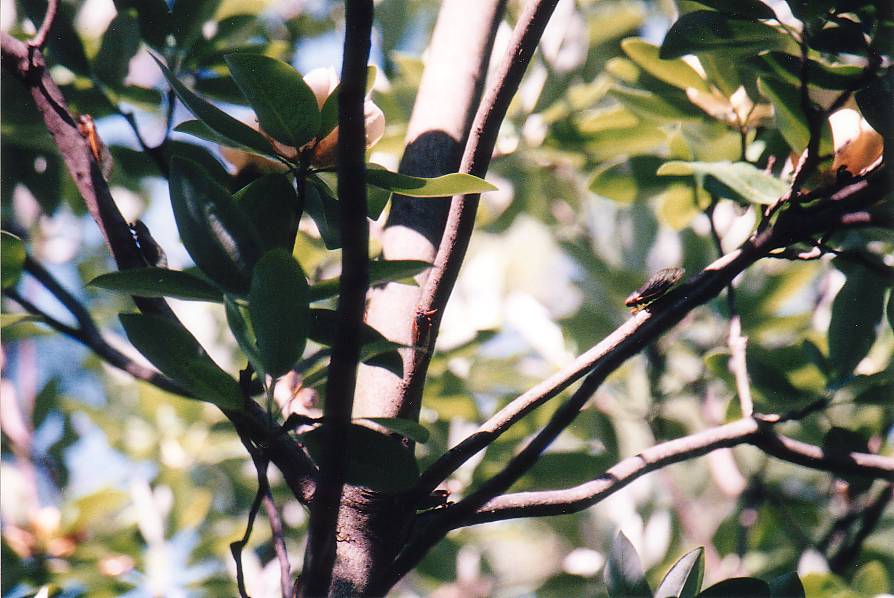
A typical
middle-class suburban neighborhood (as typical
as the DC suburbs get, anyway),
|
|
|
|
|
|
|
|
|
|
|
|
|
|
|
|
|
|
|
|
|
|
|
|
|
|
|
|
|
|
|
|
|
|
|
|
|
|
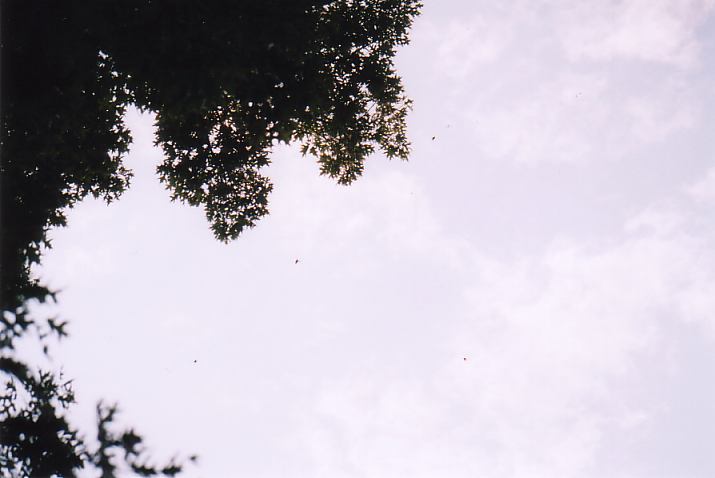
A number of cicadas flying
around. |
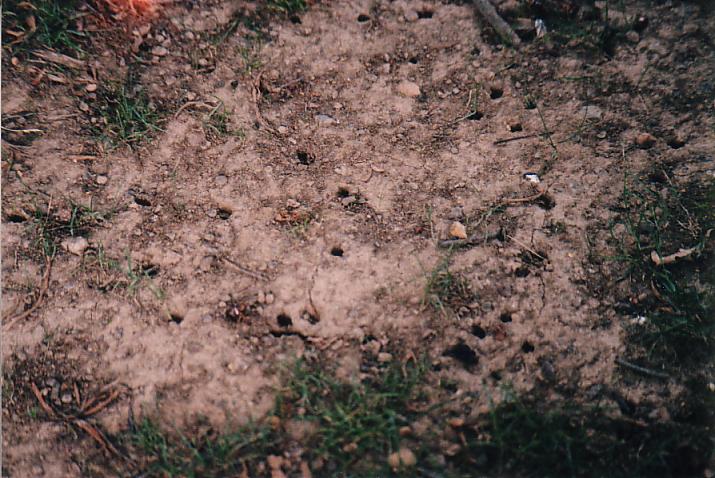
A small patch of ground pockmarked
by tunnels left by burrowing larvae on their way to the surface. |
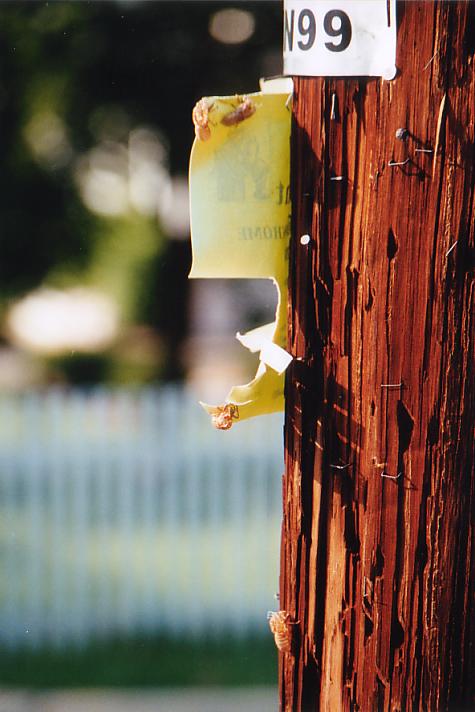
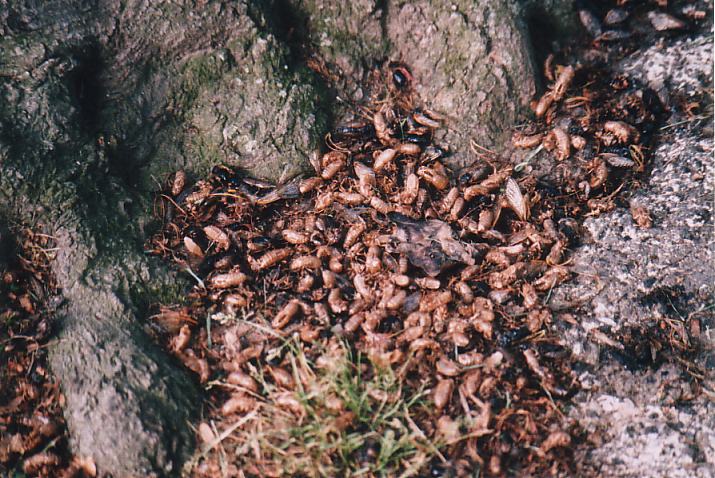
A
typical (and smelly) sight –
larva shells and emerging cicadas that didn’t make it litter the base of this
tree. |
|


Questions and/or comments? E-mail me here.
All images on this site are copyright © 1995-2005 by the
webmaster. You may copy and paste to
your heart’s desire, but please do not claim any of my images on this site as
your own. Thank you for visiting!