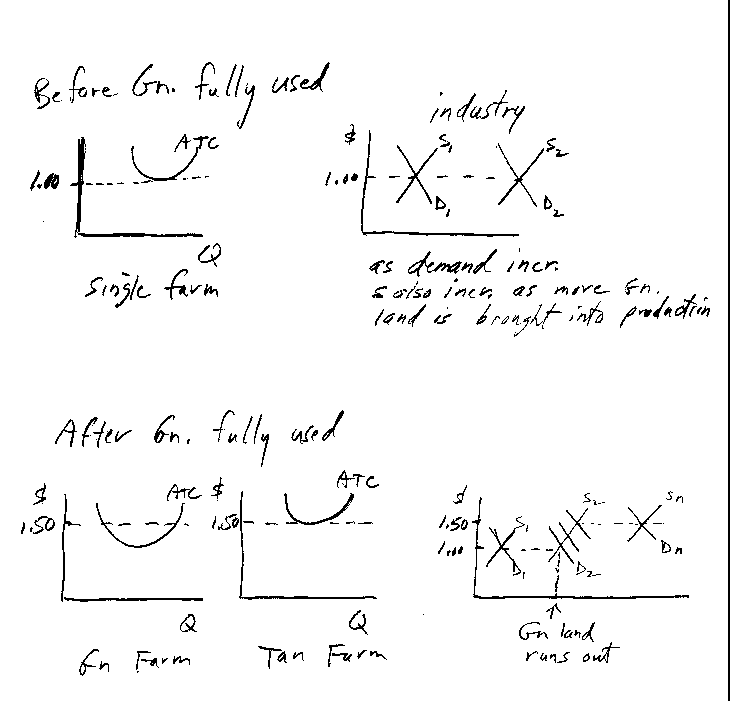
The web page on rent can be amplified with graphs. As demand for dates grows over time, before the green zone is fully utilized, the Long Run Supply curve is horizontal at $1.00. Every time demand grows and price rises a little bit, new farmers enter production and total output goes up. The supply curve traced out by these repeated equilibria (long run equilibrium, then disturbance of the equilibrium by the increase in demand, and so on) is perfectly elastic. That holds up to the point when all green zone land is in production. The price will begin to rise above $1.00 in a more permanent way. The price will rise sharply from 1.00 to 1.50 at which point it becomes perfectly elastic again, as tan zone land is brought into production. If the tan zone is large, it will take a very great increase in demand to raise price above $1.50. It would only happen if the tan zone land becomes fully utilized. Meanwhile the revenue enjoyed by green zone farmers are clearly more than enough to earn a normal profit. But that won’t last because anyone would rather farm on the green land if it were more profitable. All farmers bid up the rents on green zone land until the farmer’s costs are high enough to eliminate the excess profits. At that point rents will stop rising. All farmers make a normal profit, and the landlords of green zone land make out like bandits.