Daily
Life
Are public phones
different from the ones you see in the United States?

They are green all
through Japan.
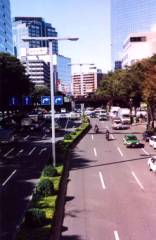
Cars drive on the left
side of the street. It seems hard to
cross an intersection. Many highways
are 2 or 3 levels high.
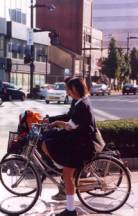
You see a lot of bikers.
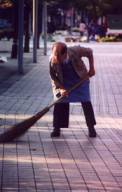
There
is no litter on the streets! Roads and walkways are constantly swept.

 There
are many public toilets in Japan but many are not supplied with hand
towels. Both Japanese and western style
toilets are found in Japan. When you
use a Japanese style toilet, you squat facing the hooded part. This modern western one has many buttons
indicating different types of water sprays.
The Japanese style one is considered cleaner than the western style
because it’s not touched by the body.
There
are many public toilets in Japan but many are not supplied with hand
towels. Both Japanese and western style
toilets are found in Japan. When you
use a Japanese style toilet, you squat facing the hooded part. This modern western one has many buttons
indicating different types of water sprays.
The Japanese style one is considered cleaner than the western style
because it’s not touched by the body.

Japanese Clothing
There are special days
in June and October when students and office workers change from light summer
outfits to dark winter outfits and back again.
Everyone in Japan does this at the same time! There are exceptions to this rule. Pupils can wear summer uniforms in the fall if they feel the
weather is still summer though.

A yukata is a light
cotton kimono worn by both men and women.
The left side of the yukata is always worn on top of the right side
since the right side over the left is used when someone dies.
Sometimes a haori or
half coat is worn with a Yukata. Zori,
straw sandals, or geta, wooden sandals, are worn with a Yukata.
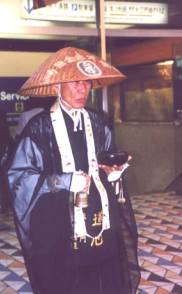
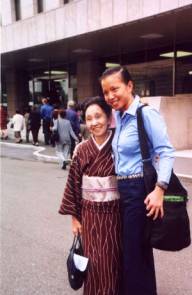
Most people in Japan
dress western style like we do. It is so
rare to see men in traditional outfits and women on a regular day dressed in
kimonos. Here is a FMFer with a
Japanese woman wearing a kimono.
A
kimono is the traditional ceremonial robe in Japan. It is worn mostly for special occasions like for a wedding. It is made of elaborate colors. Kimonos differ depending on the marital
status, gender and age of the person.
Each one is very expensive. The
obi (pronounce o- be) is the sash that is tied and goes around the kimono like
a belt. You can’t see these but the
lady is wearing special white socks called tabi (tah- bee) and sandals called
zori (zo- iee) on her feet.
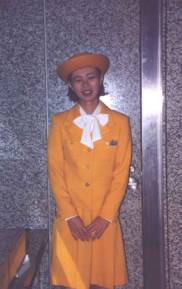
People are always clean,
groomed and well dressed. You rarely
see people in t-shirts.

Workers wear white
gloves.
Neatness
is a major part of the school dress code.
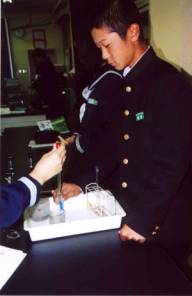
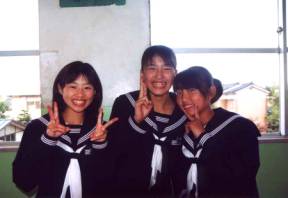
Students wear
uniforms. There are summer and winter
uniforms. Traditionally boys wear
black/blue uniforms with brass buttons and stand-up collars. Girls’ uniforms are mostly navy blue with
pleated skirts.
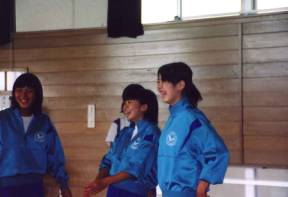
There is even a special
gym uniform.
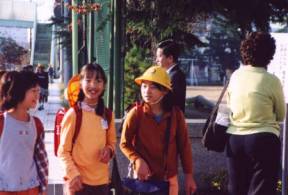
Most elementary students
do not wear uniforms. They dress like we do.
They do wear yellow caps to school.
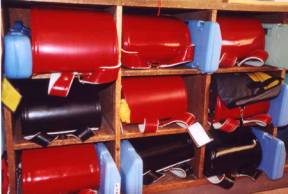
Boys have sturdy black
leather backpacks while girls have red ones.