|
©Edward Thomas2004 |


|
Pharmacy—In Africa |
|
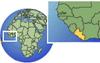
I have worked as a medical assistant for the International Red Cross twice now – once in Rwanda and once in Liberia. I have found my experiences extremely interesting and rewarding and sometimes down-right scary. Pharmacy, and medicine in general, is practiced very differently in a Red Cross field hospital compared with NHS practice in the UK. Staffing levels are a major problem. There are no designated pharmacists or pharmacy technicians. If possible these jobs are covered by nurses or doctors, but can sometimes be carried out by unqualified volunteers. Don’t panic if this sounds very uncontrolled though; obviously it’s not the ideal situation but all volunteers undergo an intensive 4-week training programme before they go out to field hospitals on top of other Red Cross training and all drug selections are always double or triple checked. |
|
The other thing I noticed straight away was that there was a very narrow selection of drugs in a Red Cross field hospital. Everything is in extremely short supply so, where as in a normal hospital dispensary you’d expect to have a wide selection of antibiotics, in a Red Cross dispensary if you find more than two types that’d be unusual. Some classes of drugs won’t be represented at all. Funds and space are reserved for treatment of life-threatening ailments and injuries so the most likely medicines available are painkillers, antibiotics, antimalarials, antiseptic solutions, essential heart medication, irrigation solutions, oral re-hydration therapy and vaccines. Storage conditions are also less than ideal – refrigeration is extremely limited as power supplies are often inconsistent so new supplies of vaccines are usually used as soon as they arrive. In crudely build hospitals and clinics it may |
|
be impossible to secure medicines and stealing occurs occasionally. Also supplies are sometimes damaged by moisture and heat so the medicines that are long before their UK/US expiry dates may be unusable. I could go on forever about the massive differences between the practice of medicine and pharmacy in Red Cross field hospitals in comparison to NHS hospitals in the UK but the best way of understanding is to experience it yourself. If you’re interesting in volunteering to work in a Red Cross field hospital get in touch with your local arm of the British Red cross. You need to show a significant commitment to the works of the British Red Cross for at least one year and undergo basic training in a relevant foreign language (e.g. French, Spanish, Swahili, Serbo-Croatian) but then you can ask to be put forward for medical assistant training and can apply for a voluntary (but expenses paid) summer placement in a field hospital, for a challenging but extremely rewarding experience. http://www.redcross.org.uk Written by Sarah Oswald |

|
Continued from Page 1 |




|
Sarah Oswald explains her experience and contrasts the differences between our NHS hospital pharmacies and those of Red Cross field hospitals in Africa |

|
Liberia |

|
Rwanda |
|
Have your article HERE. If you have any ideas for the next newsletter, e-mail them to; |