|
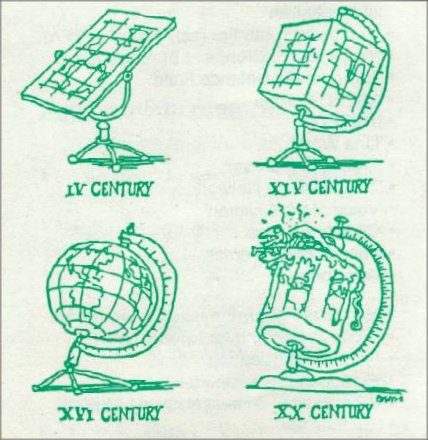
This is the History of Our World between the 4th and the 20th Century! ....................Does it ring a bell? |
 |
|
This is the History of Our World between the 4th and the 20th Century! ....................Does it ring a bell? |
|

 |
|
|
|
For waste to be recycled it must first be separated at source. Currently in Malta there is one recycling plant (Sant Antnin). Glass, plastic, metal and wood should be removed from the waste that can be used to produce compost (that is then used in agriculture). Therefore Malta has a system whereby waste is separated into two bins in households. One of the bins should include food remains, cartons, paper (until paper recycling begins again) and leaves. The other bin includes tins, jablo, plastic, glass (until glass recycling begins again), wood, sprays, medicines etc. |
 |
Don't forget that used batteries should be thrown away in the battery bins available at stationeries, schools etc throughout the Maltese Islands. The Maltese Islands produce 100,000 tons of waste each year. ECO believes that not only should organic waste be made into compost but recycling schemes for paper and carton, glass, metal, cans and plastic be supported by the pertinent authorities to reduce the waste dumped in landfills. |
|
Due to the limited land in Malta, landfills have a high economic cost for the government. Therefore, all assistance should be given to initiatives in the field of recycling. 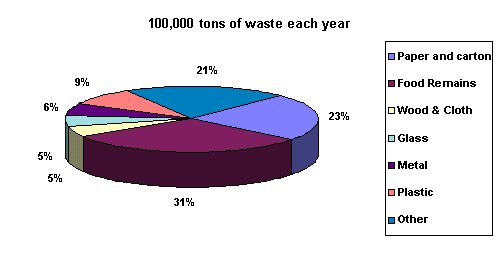 |
|
|
|
|
As from late 1994 ECO started collecting glass and paper and carton for recycling. The pertinent authorities had allocated two sites in Marsa for the storage of this recyclable waste. In the case of glass ECO (together with its partner) exported 2 whole shiploads for recycling. Nonetheless due to a lack of assistance from government authorities, the recycling of glass had to be stopped early in 1996. Paper collection was more successful with various government departments, industries and households taking their paper to the Marsa site. Unfortunately although the place had a 24 hour watchman, the ECO Paper bank suffered extensive vandalism (burning) on two occasions. Until October 1996 ECO (together with its partner) used to export one container of paper every other month. Unfortunately the government authorities removed the permission for the Marsa site and thus this initiative had to be shelved. ECO is studying possibilities to re introduce the service and is ready to assist anybody who would like to fill up the vacuum. |
 |




 |




 |