|
|
| Campaign Objectives |
|---|
|
|
|
The
activities organised within this campaign have taken various
forms. Among them, various posters were printed and distributed
in schools, shops, banks where the public can see them and become
aware of the threats that some animals are In
1997 a drawing book was published for children which included
a story about a girl who catches a hedgehog and two boys who
try to release it. The drawing book also deals with issues like
vandalism and healthy eating. |
|
![]() |
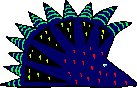
Only one species of hedgehog can be found in the Maltese Islands. In some rural areas it is persecuted because of a mistaken belief that it steals milk from domestic sheep and goats. More importantly, large numbers of hedgehogs are killed each year by motor vehicles on country roads. This and habitat destruction are contributing to a reduction in the local hedgehog populations. The One World TV programme is available at the Ministry for the Environment, Public Relations Section (Tel.:247538). |
|
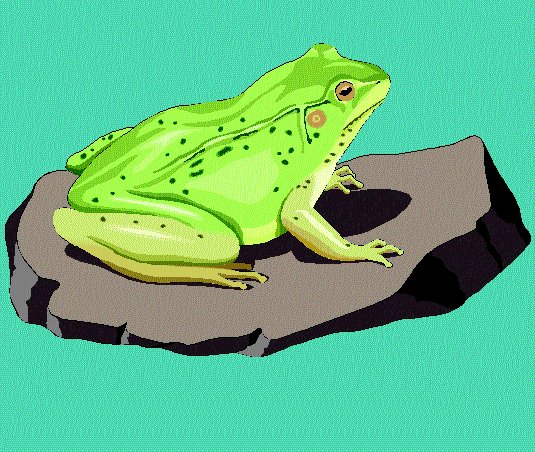
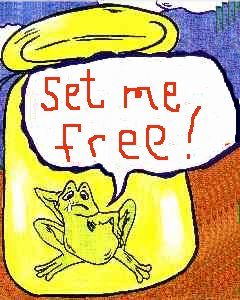
Another species which ECO deems necessary to protect is the frog. As the image at the top of this page shows, young children still condone the catching of frogs during outings, only to take them home until they escape and die because they are not in their natural environment. The
frog is the only amphibian to be found in the Maltese Islands.
Once common in all localities with some fresh water, it is now
becoming more restricted due to habitat destruction, pollution
and persistent persecution. |
|
![]() |
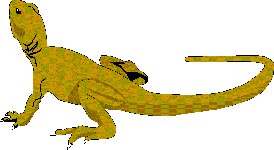
The Maltese wall lizard, the only lacertid to inhabit the Maltese Islands, is a Pelagio-Maltese endemism with five named geographical races, one of which occurs on the Pelagian islands of Linosa and Lanpione, and the other four restricted to various islands of the Maltese group. The lizards are common where found although destruction of habitat has caused some populations to decline. The populations of the smaller islands are very small and therefore highly vulnerable to any man-made or natural disasters. The Maltese wall lizard is listed in Appendix II (strictly protected fauna) of the Berne Convention (1979). Apart from the Maltese
Islands, the Ocellated Skink (xahmet l-art) also Locally it is quite common but populations are declining due to habitat destruction and human persecution; there is a popular but mistaken belief that skinks are harmful. |
|
The only native terrestrial carnivore in the Maltese Islands is the weasel (ballotra). This animal is very infrequently seen although this may be partly due to its retiring habits. The
status of this species is not really known but given the increasing
development of the countryside, the local weasel population may
be declining due to loss of habitat. It is listed in Appendix
III (protected fauna) of the Berne All
Maltese bats are threatened as their roosting places, which include
caves and old buildings, are removed or disturbed, while they
are also occasionally aimlessly persecuted. A marked decrease
in the overall bat population has |
|
|
|
|
|