 |
|
|
|
|
|
|
|
|
|
|
|
|
|
|
|
|
|
|
|
|
|
|
|
|
|
|
|
Walnut Hills |
|
|
|
Back to E-CASE Neighbors |
|
|
|
|
|
 |
|
|
|
 |
|
|
|
|
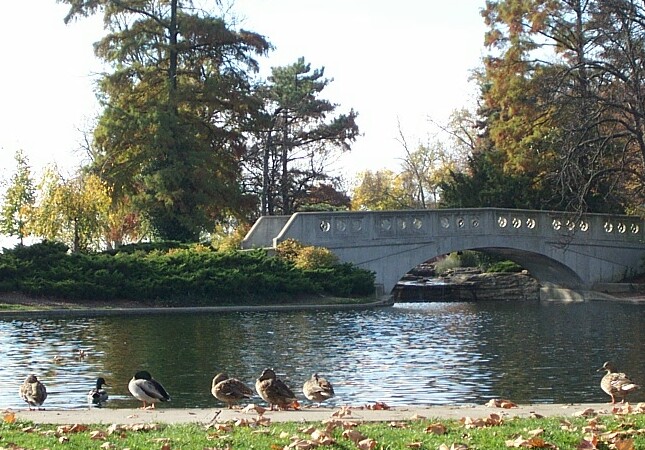
The lake and bridge at Eden Park. |
|
|
|
|
|
Religion was the main reason for the start of Walnut Hills. Reverend James Kemper bought land from John Cleves Symmes. This land is near what is now Eden Park. Kemper built a blockhouse to be safe from Indian attacks. The farm was divided between the Kemper children. The family called it Walnut Hills. James Kemper founded the First Presbyterian Church. |
|
|
|
|
|
|
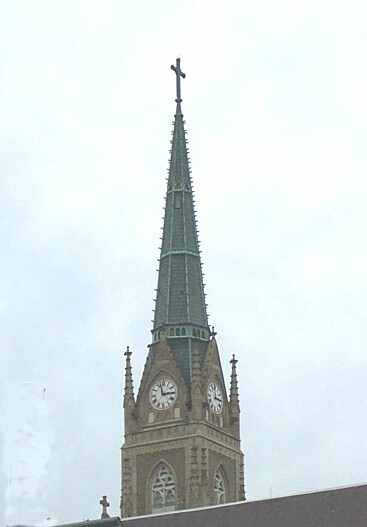
Cincinnati has been famous for making bells because steamboats on the Ohio River needed special bells. In 1895 the largest swinging bell was made and it took 14 horses to pull the 30,000 pound bell to the top of the St. Francis de Sales Church spire. It was named "Big Joseph" after Joseph Buddeke, the man who paid for it. The first and last time it was rung by siwnging it broke windows for blocks around and the cement fell from between the stones in the chruch walls. |
|
|
|
|
Well-to-do Cincinnatians built homes in the hills above the city. Cable cars and streetcars made Walnut Hills easier to get to from downtown. The corner of Gilbert Avenue and McMillian Street was a very busy corner. It became known as Peebles' Corner after Joseph Peebles, owner of a grocery store there. |
|
|
|
|
|
|
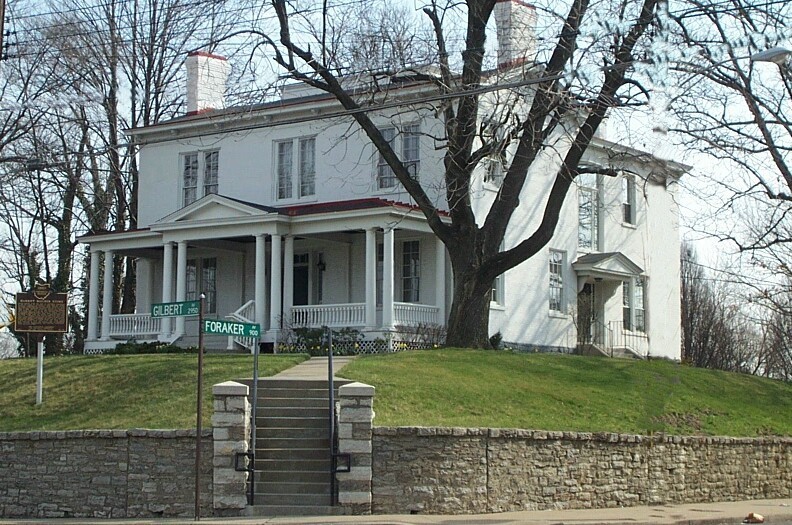
Harriet Beecher Stowe lived in Walnut Hills for almost 20 years. She was the daughter of Lyman Beecher, the head of Lane Seminary. Harriet wrote about slavery in Uncle Tom's Cabin. |
|
|
 |
|
|
|
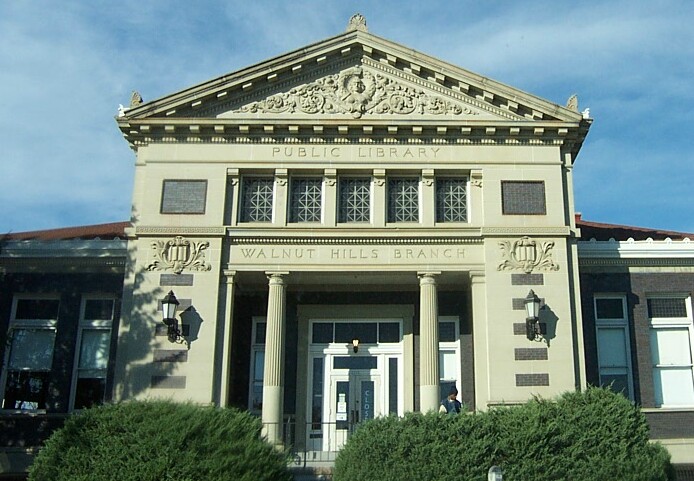
The columns of the Walnut Hills Public Library came from Germany and were brought over with the Tyler-Davidson Fountain. They had been stored for many years in an old stable. When the library was built they thought about the columns and used them. |
|
|
|
 |
|
|
|
|
|
In the 1930s black families moved to new public housing projects in Walnut Hills. They had to move from the West End because of the construction of the Union Terminal. |
|