�I wonder what Oakley is,� she said. As she continued her long trip, she came past St. Cecilia School.
�I think I�ll go and see if a St. Cecilia School student knows anything about this Oakley area.� She came into the third grade. The third graders were ecstatic to see a pig at school.
�If a lamb at school got a song, then maybe a pig at school could merit a book,� they all said. �Yes,� said Greta. �Wouldn�t a book about my trip be nice?�
Greta asked the students about Oakley. Erica said that Oakley is a community of about 12,000 people. Jonathan added that it borders Hyde Park on the south, Norwood on the west, Pleasant Ridge on the north, and Madisonville on the east. Kaylie said it is a well-balanced mix of residential, commercial, and industrial activities. It features many tree-lined streets with single and two-family homes. Many of these houses were the homes of �The Mill� employees and feature beautiful woodwork, trim, and windows. Oakley Square provides a place to both relax and shop. Although Cincinnati Milacron is gone, Oakley is the home of many small industrial ventures. It has many family homes as well as apartments. Many of these were built in the early days of Oakley for the factory workers who came to Oakley to work. Brooke told Greta that Oakley has over two miles of streets.
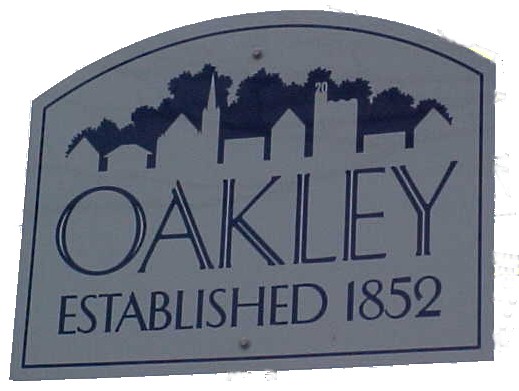
�Why did they call it Oakley?� Greta asked. Some people say it was named Oakley for its many beautiful oak trees. Others claim that it was named Oakley in honor of Reverend Maurice Oakley, President of St. Xavier�s College during the 1850�s when the town was laid out.
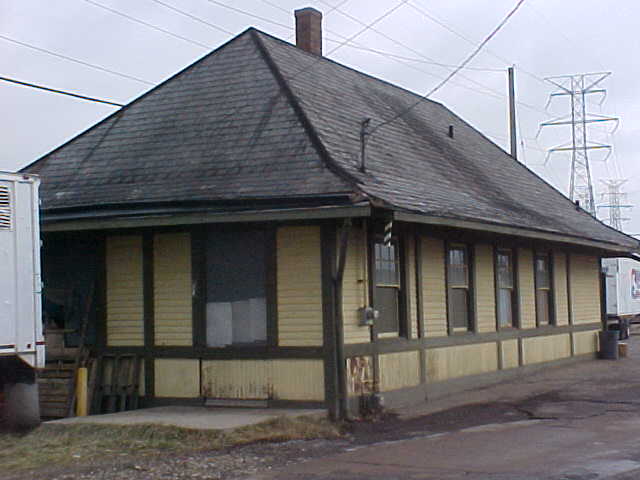
�Before it was called Oakley, it was called Four Mile,� Marisa chimed in. It was a popular stop for wagon drivers who drove on Madison Turnpike which we now call Madison Road, on their way to Madisonville. It was called Four Mile because it was approximately four miles from the northern boundary of Cincinnati. Mrs. Jeffreys added that it was also called Schusterville for Mr. Paul Schuster who bought land around the railroad station and laid out a town there. The railroad area was called Schuster�s Station. The Marietta and Cincinnati Railroad, which later became the Baltimore and Ohio Railroad, went through Four Mile.
Sydney added, �In 1869, Paul Schuster and John Wilson registered their subdivision at the courthouse and called it Oakley.�
Kimberly said, "It was incorporated as Oakley in 1898 and annexed to the City of Cincinnati in 1913.
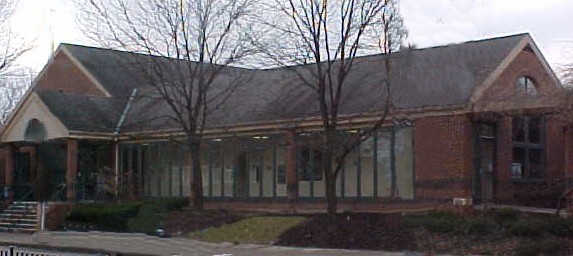
Greta asked if anyone knew anything special about Oakley in the early days. Tiffany told Greta about the Oakley Library. She said that it provided the first library service in 1910. Drew added that the first Oakley Library was in Barton�s Drug Store. It moved to a storeroom in 1925. In 1940 it moved to Gilmore Avenue. It has 39,300 items in print. Mrs. Jeffreys added that the Oakley Library has also operated out of what is now the Blue Manatee Book Shop while the new library was being built on Gilmore Avenue. The new library opened in 1989.
Molly told Greta about the Victory Gardens that were planted on the property of Cincinnati Milling Machine Company (later called Cincinnati Milacron). Oakley residents planted gardens there during the Second World War. They would then walk there to take care of their gardens daily.
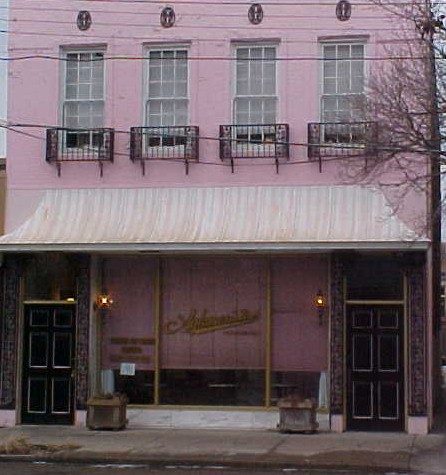
Samantha told about Aglamesis Brothers Ice Cream Parlor and Candy Shoppe. Thomas and Nicholas Aglamesis in Norwood started it in 1908. The store was moved to Oakley in 1913. Jonathan added that it is still operating in the same building today. He also said that old family recipes for ice creams and candies are what have made them so special throughout the last 90 years. Jacob said that they have the original tables and chairs. Brian Martin added that Aglamesis used to be called �The Met.� Tiffani told Greta that Aglamesis still has the original marble counters and soda fountain. Erica said that it is the oldest building on Oakley Square.
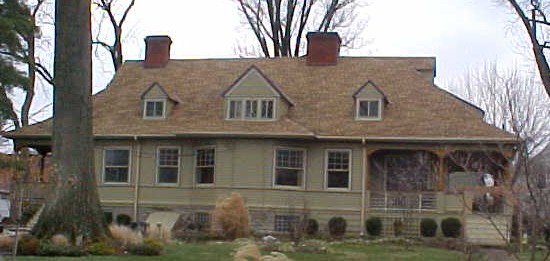
Sydney asked Greta if she had ever heard of the Oakley Race Track. Greta said,� No,� but asked about it. Sydney told Greta that that it was built in 1889 by Frederick Hazenfeld in the area that is now Edwards and Duck Creek Roads. First, it was a half-mile track and then it expanded to a mile track. A state law prohibiting betting forced the racetrack to close in 1904. The Racetrack land was later covered by homes for factory workers who came to Oakley for work. The Gentlemen�s Quarters from the original racetrack still stands today on Hyde Park Avenue near Edwards Road.
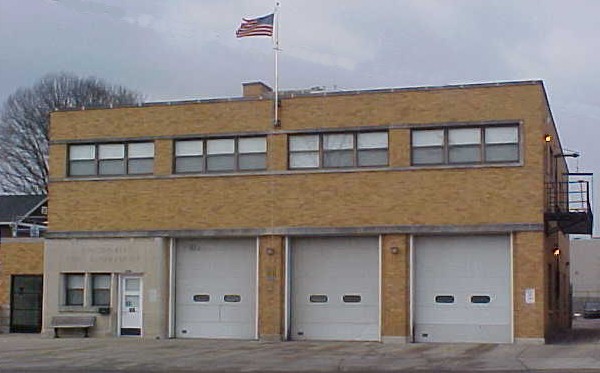
Kimberly told Greta about Oakley�s first organized Volunteer Fire Department. It began in 1898 with a hand-drawn and hand-operated pump. After Oakley was annexed by the city of Cincinnati, it became Cincinnati Fire Department Engine Company 31 and moved to a building on Madison Road across from Brazee Street that was also used as a town hall and the village jail. In 1953 the Oakley Fire Department moved to its current building on Marburg Avenue.
Nina told Greta that there used to be a public school that was located on Madison Road where CVS Pharmacy and Jones the Florist are now located. Sydney said that the first school was built in 1870. It was called Columbia Township School. It was a one-room brick building originally, but a two-story addition was added in 1893. The school was located at the corner of Madison and Ridge Roads where the Masonic Temple stands today.
Nina told Greta that the original streets were dirt roads. Horses and buggies were used for transportation. One of the original streets was Brazee Street located close to the railroad station. Brian added that after the horse and buggies, there were street cars for transportation. They ran on tracks in the middle of the main streets. It was only ten cents to take the street car downtown.
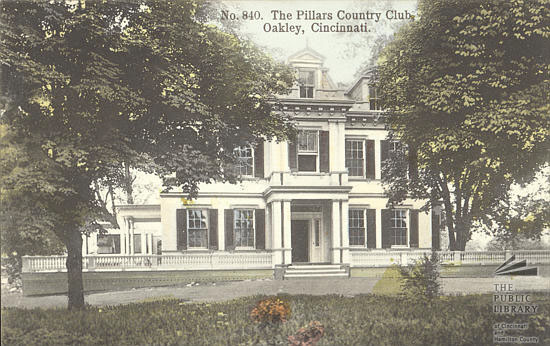
Kyle told about his neighborhood, the Pillars subdivision. It used to be a big farm with horse riding stables. There was a beautiful clubhouse called �The Pillars.� When more and more people moved to the Oakley area, the farm was sold to build more housing.
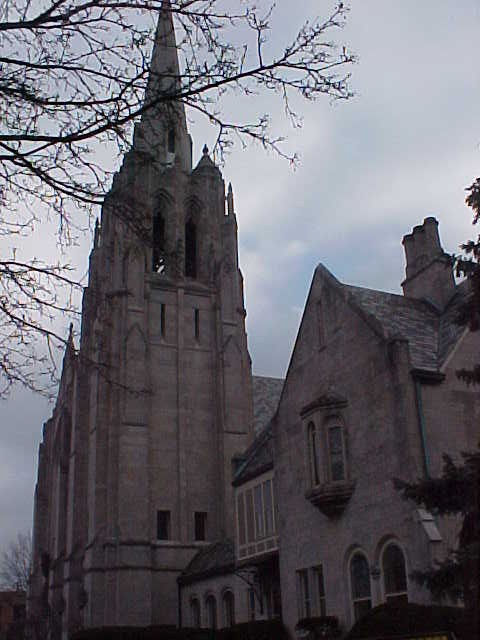
Jacob told Greta about St. Cecilia Parish. In 1908, a group of men and women from about 65 Catholic families started St. Cecilia Parish. The parish included people from St. Mary�s in Hyde Park and St. Anthony�s in Madisonville. Going to church was a long trip for people in Oakley. They wanted their own church. The first holy mass was celebrated on July 26, 1908 in the Old Oakley town Hall on Madison Road across from Brazee Street. This group of people, the Oakley Family Circle, asked the Archbishop if they could build a church. He granted them approval to build a temporary church located on Gilmore Avenue. This was a one-story frame structure about 30 feet by 70 feet and could only seat 175 people. This building was completed and dedicated on October 11, 1908. The parish was growing quickly and again they needed more space. In 1912 a basement was built on Taylor Avenue for the new church. Soon they built a second floor for four schoolrooms. St. Cecilia School opened in 1913 with 125 students and a couple of nuns as teachers. The parish kept growing and in 1921 there were over 510 families. This meant that a new structure was needed. It was completed in 1928. This is what we now know as St. Cecilia Church. A third floor was added to the school building making a total of eight classrooms. In 1946 a two-story brick home was purchased on Gilmore Avenue for the Sisters of Mercy who taught at the school. In 1954 a new building was built that had four classrooms and a gymnasium. Enrollment in St. Cecilia School was 569 in the 60�s. Today St. Cecilia Parish has about 1100 families and a school enrollment of about 200 students.
Greta was very impressed by all that the third grade students knew about the history and the development of Oakley. She then asked the students what Oakley is like today.
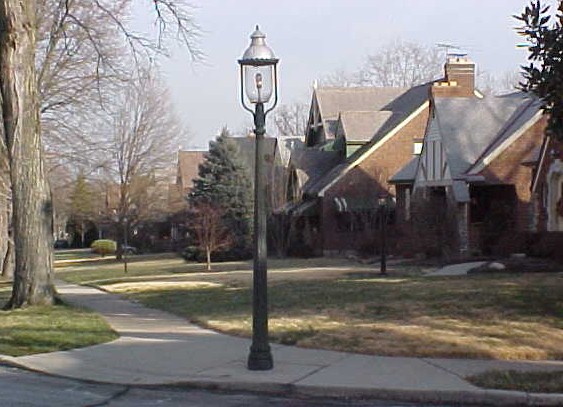
Erica said that today the neighborhood still has gas lights and tree-lined streets with about 12,000 residents. It has many stores and restaurants within walking distance of their homes. P.J. said that he enjoyed the diversity in Oakley. He added that Oakley�s heritage is being preserved by the family owned and operated businesses such as Aglamesis and Skyline Chili. Brooke added that another family owned and operated business is Schirmer�s Garage which was started by brothers, Frank and Joe Schirmer.
Tiffani described Oakley as a little slice of Middle America that has a well-balanced blend of residential, commercial, and industrial activities working in close harmony with each other. Oakley has become one of the most sought after areas because of its unassuming charm, solid residential character, great shopping, and central location.
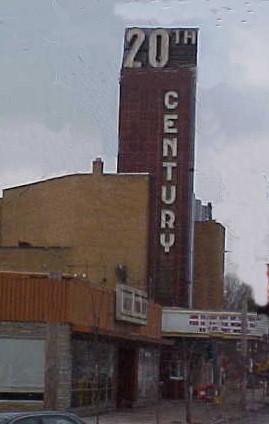
Jonathan told Greta about the 20th Century Theater that sits on Oakley Square. It was built in 1941 and is 72 feet tall. It used to show movies but closed in 1983. The community became involved in restoring the theater. 20th Century Productions took over the operation of the theater and reopened it in 1997 as a mixed concert and banquet hall. Samantha added that it is the tallest building on Oakley Square.
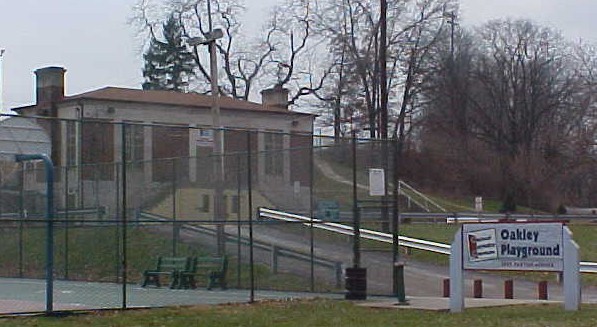
Molly told Greta about Oakley Park. She said that the new swimming pool is great fun and that the old swimming pool is buried under the present parking lot. Jonathan, Drew, and Samantha all told Greta about the fun they have at Oakley Park. They go there to play sports, swim, meet friends, and play on the playground equipment. Oakley Park is located at the intersection of Taylor and Paxton Avenues. It is a large green area surrounded by woods. Adam added that it has a great hill for sled riding in the wintertime.
Marisa mentioned that Oakley has a Food Pantry housed in the United Church of Christ on Taylor Avenue. It supplies food for the needy of the area. It was started in1992. Several churches and community groups work together to keep the Food Pantry open.
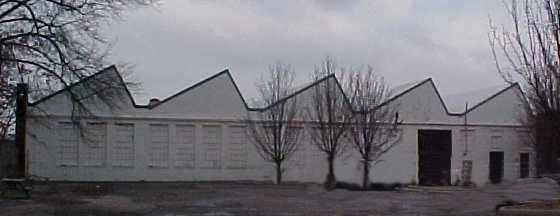
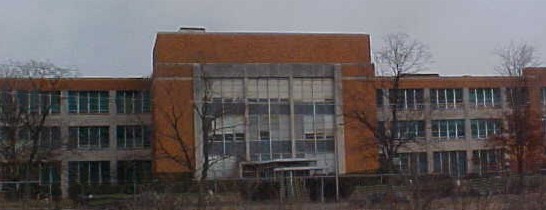
Kaylie told Greta that the Cincinnati Milling Machine Company was first called The Cincinnati Screw and Tap Company and moved its plant and company headquarters to Oakley in 1911. It created one of the earliest industrial parks in the country. �The Mill� which it became known as locally was founded by George Mueller, Fred Holz, and Fred Stegeman and later headed by Frederick Geier. The Mill became the largest manufacturer of machine tools in the world. It occupied more than 32 acres. Because Geier was concerned about employees� well-being, the plant had many amenities including a fitness and health department, and a Boy Scout lodge.
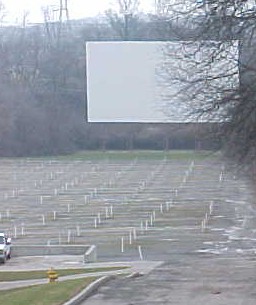
Kimberly told Greta that Oakley has a Drive-In Theater located on Madison Road. It was opened in 1956. The original screen was destroyed by a tornado in 1993 and was replaced. Cars park in a gravel lot and use old-time speakers to hear the sound of the movie. Even though it is called The Oakley Drive In, it is actually located in the beginning of Madisonville.
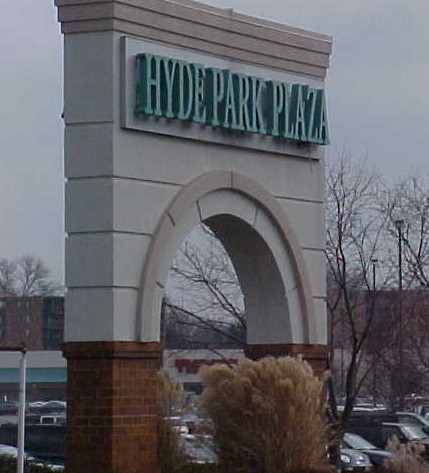
Talking about mixed-up names, Molly told Greta that Hyde Park Plaza, which is a large shopping area, is really in Oakley. She also said that Hyde Park Plaza was built over the old Oakley Dump. P.J. said that his grandpa use to play in a field there before the Hyde Park Plaza was built. It is the main shopping area for Oakley residents. It has two grocery stores, a drug store, a bakery, a book store, seven restaurants, four banks, and other specialty stores.
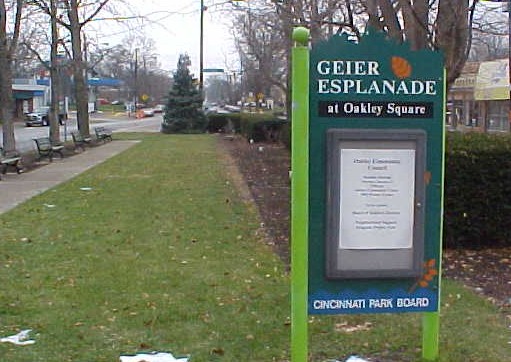
Kaylie told Greta about another landmark in Oakley, the Geier Esplanade, named for the head of the Milling Machine Company, Frederick A. Geier. It is located on Madison Road at Markbreit Avenue. This 1/3 acre was formerly known as Oakley Square. The Cincinnati Park Board acquired the property through two transfers, one in 1927 and the other in 1932. The Geier family has arranged to have flowers and bulbs planted there each year in memory of Frederick and Philip Geier (a brother of Frederick who also played a big part in the development of The Cincinnati Milling Machine Company).
Adam told Greta about changes in Oakley over the last 150 years. Oakley used to have three bakeries and two movie theaters. There used to be a Zayre Department Store where Thriftway Grocery is now. Mrs. Jeffreys added that Kroger�s used to be on Madison Road where Dewey�s Pizza is now. There was also a pool hall and a United Dairy Farmers there before Dewey�s Pizza. Arby�s used to be Henry�s Hamburgers and then Barney�s Hamburgers. There were two department stores on Madison Road, V and V (Vonderbrink's) and Goldsmith�s. There were two 5 and 10 cent stores, Monat�s and Oakley 5 and 10 Cent Store. A & P Grocery Store was first on Marburg Avenue and then on Paxton Avenue before it closed. Oakley had a bowling alley where the Oakley Antique Mall is. There was a Linder�s Ice cream Store and a Sakelo�s Ice Cream Store. There was a Gulf Gas Station and a Pure Gas Station on Madison Road. Sears and Roebuck used to be on Madison Road where King Arthur�s Court is now.
Marisa told Greta about the Oakley Community Council. It is very involved in making Oakley a nice place to live. The City of Cincinnati recognizes the council as the official voice of the Oakley community.
Greta was very interested in the Oakley area.
She said,� It sounds like Oakley is a great place to live, work, play, and learn!� She promised to come back and see us again. She said she had to continue her quest for knowledge of the east side of Cincinnati. Everyone said good-bye to Greta, gave her a big hug, and watched her continue her trip heading for her next stop.
What a wonderful day we had with Greta!