
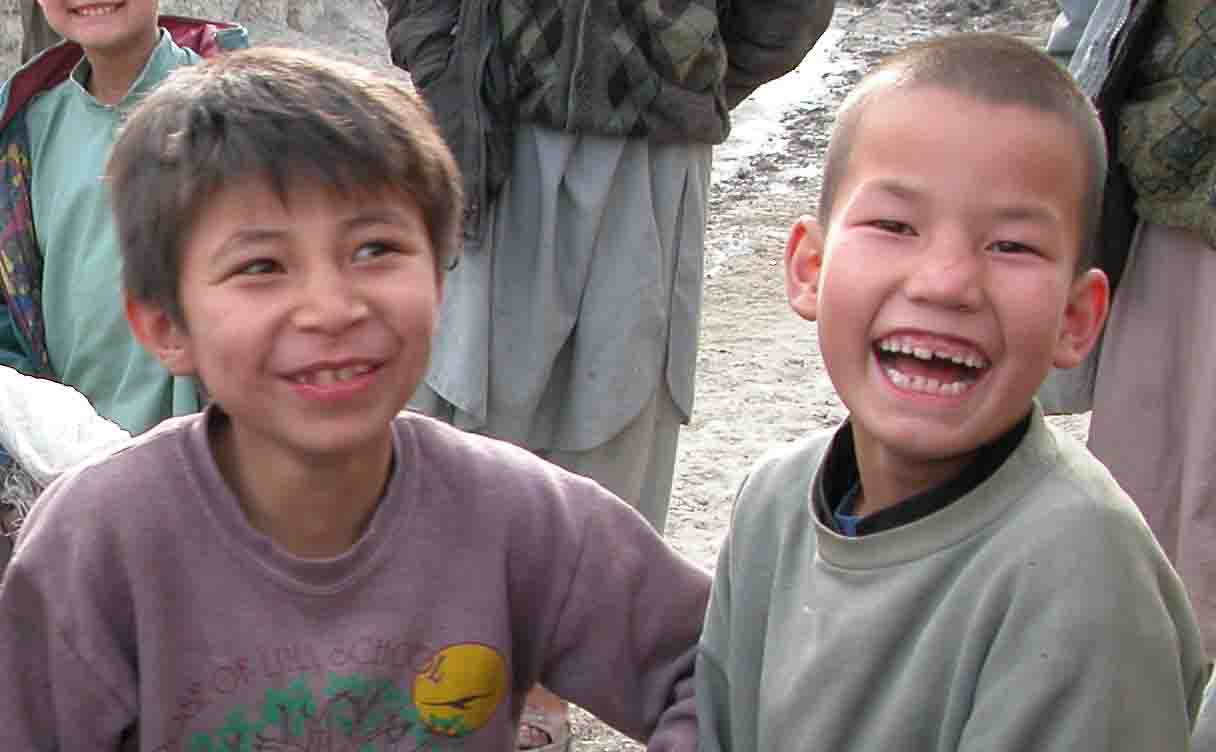
The combination of drought and conflict in this part of northern Afghanistan has caused thousands of households to move from rural villages to the urban centres seeking work and food. The already fragile infrastructure in Mazar simply cannot cope with the influx, and in these unofficial camps the IDP population has been augmented by local urban poor. This in itself has created more pressure � and a dilemma � for the humanitarian agencies in the area. Faced with finite resources, and tackling years of decline in social services and constraints on their own ability to operate on the ground, UN agencies and NGOs alike face a complex situation in which they must decide how to target the aid available. Over the coming weeks, registered IDPs in the unofficial settlements will be moved to the two main camps in the city. Discussions will continue on how to manage the needs of the host communities.
But for now, the needs remain � and children and women are amongst the most vulnerable. Shelaga Nafasgal is an elderly widow, living in a 5 metre square trench covered with thin plastic sheeting, with four daughters and a ten month old grandson. The family came to Mazar during the time of the Taliban from a village some thirty kilometres away, having seen their home and livelihood destroyed by fighting. Now the daughters sit hunched over piles of cotton, which they hope to sell in the local bazaar; Shelaga says that in a week they might hope to earn 5,000 Afghanis � just 13 US cents. Last week she bought about a kilo of flour and one loaf of bread. That must last until they earn enough to go back to the market for more food.
The hole in the ground is cold, and damp. Temperatures at night are still falling below freezing point. The only heat being generated here is that of the six bodies that share the cramped space. Ten month old Ajhmal is sick. He coughs repeatedly, and is suffering from bouts of watery diarrhoea. The UNICEF doctor who examines him says that these are classic symptoms of a cold, wet environment and contaminated water supplies. Ajhmal's father has TB � he has been moved to the city hospital for treatment, but the family thinks that obtaining treatment for the child will involve money. This is something they simply do not have.
Shelaga is a proud, lively woman despite the harsh conditions in which she now lives. When she talks about her home village, there is an anger in her voice. "We have nothing left there now. Everything was destroyed. People ask why we do not go back � but what will we go back to? Nothing. It has all gone."
In the streets of Mazar, one sees families selling clothes and shoes in a desperate attempt to earn enough money to survive. Shelaga Nafasgal has nothing left to sell. "I sold my carpets, all our clothes, everything that we brought with us more than a year ago. This is all that is left." She gestures to the hole in the ground � apart from her family, it is empty.
Then she speaks again, her voice rising. The group of onlookers fall silent. The interpreter pauses before explaining what Shelaga said, and when she translates even her own voice wavers. "She said that she has sold her life. Now she knows she can only die here. She knows that she will not leave this place alive."
In a neighbouring camp, the stories are the same. There are 300 families living here, most of them arriving over the previous eight months from various provinces. The camp leader tells us that 30 children have died here. Many have respiratory diseases, and there are cases of bloody diarrhoea. Two children died last week � one was four years old, the other just three. Another grandmother appears, carrying four year old Anargul Gulsin. He is severely malnourished, his thin legs dangling lifelessly from his wasted body. The family thought he had become disabled when he fell over and stopped walking two weeks ago. The UNICEF doctor diagnoses malnutrition � Anargul needs urgent therapeutic feeding if he is to survive.
This short visit to the unofficial IDP camps of Mazar has highlighted the ongoing needs of the vulnerable communities. Within hours of UNICEF passing by the camp, it was arranged for a measles vaccination team to undertake immunizations within a few days � in these conditions, an outbreak of measles could prove fatal to a great many children. Another phone call ensured that a team from partner NGO Action Contre la Faim would visit the camps to start referring children to its Therapeutic Feeding Centre. UNICEF's presence on the ground here is proving vital; the needs are so great that one agency cannot hope to meet them all � but even a chance visit to a camp can ensure that the wheels are set in motion to bring support and assistance, through an efficient system of collaboration and partnership, to those in most need.
Anargul Gulsin's needs were too great to wait even a few days. The UNICEF team explained in detail to his grandmother that he should be taken immediately to the Therapeutic Feeding Centre. The camp leader gave his assurances that grandmother and child would go there straight away. In the bleak landscape of Mazar's IDP camps, there was � even if momentarily � a glimmer of hope.