The Ebola Virus in The Democratic Republic of the Congo
  |
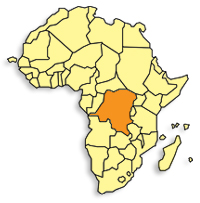
Map or DRC
The Democratic Republic of the Congo
(DRC)


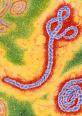
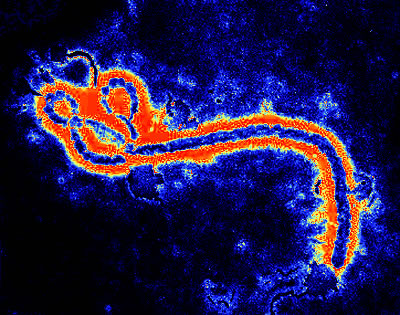
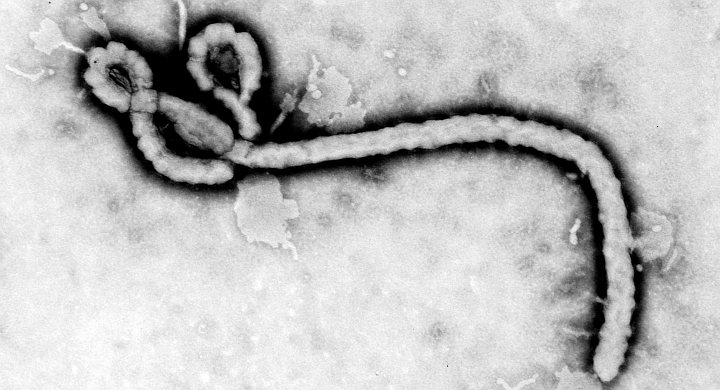
Microscopic view of the ebola virus
ebola virus 2
ebola virus 3
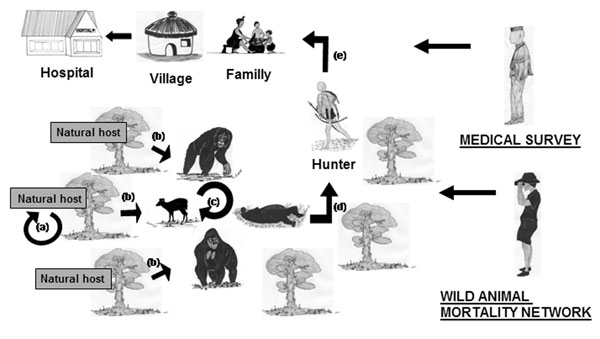
Transmission cycle
The electron microscopic view of the virus
The transmission cycle of the Ebola Virus

Ebola is a devastating disease.  The virus was first discovered in 1976 in Zaire, now the Democratic Republic of the Congo.  The disease  was named after the Ebola River, where the first outbreak occurred.  Between 1976 and 2002, there have been 5 outbreaks of Ebola in the Democratic Republic of the Congo, and  14 outbreaks of different strains of the virus in other countries throughout the world.  Our CultureQuest examines the impact of this extrememly fatal disease on the people of the DRC. Cultural practices and poverty contribute dramatically to the spread  and recurrence of this illness.  To date there is no cure for this virus, and treatment is minimal. Transmission of the virus and symptoms are also discussed.  

For more information please continue on this CultureQuest.
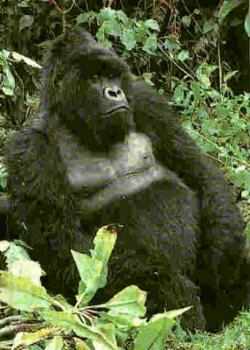
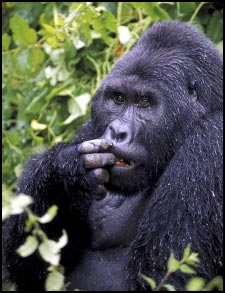
Oanh gorilla Gab gorilla Megan Gorilla  
      Oanh                Gabriella                   Megan

As three professional scientists who are now professional high school teachers, we felt this project brings to you an opportunity to learn about a deadly disease, the contributing factors, and how to control these unfortunate occurances.  The Ebola virus is one that can be contained with proper education, funding, and compassion.  We hope you learn, feel, and come away from this experience with a fresh outlook on the devistation one small virus can unleash.

Contact us:

[email protected]


Subject: Biology and General Science


Grade Level: Middle and High School

Time: About an hour to thoroughly review content

Materials: Computers with Internet access, word processing software, projector, paper.

studeteacher
Click here to find out how this project  was used by other teachers


STANDARDS:


Students will meet the following New York State Learning Standards: 

  • Students will access, generate, process, and transfer information using appropriate technologies.
  • Students will understand and apply scientific concepts, principles, and theories pertaining to the physical setting and living environment and recognize the historical development of ideas in science.
  • Students will apply technological knowledge and skills to design, construct, use, and evaluate products and systems to satisfy human and environmental needs.
  • Students will understand the relationships and common themes that connect science and technology and apply the themes to these and other areas of learning.


WEB SITES:
Project url:


Continue learning about the Ebola virus at our sites:


www.geocities.com/mpfries
www.geocities.com/oxyger250
www.geocities.com/eboladrc/ebolaG.html


OVERALL VALUE:


By studying different cultures, students will gain an understanding of how different people live.  Their lifestyles, customs, and resources contribute to and impact  health issues throughout the world.


TIPS:

WARNING:  

The nature of this topic may be disturbing to some viewers.  Some graphic details may be inappropriate for younger audiences.  Please review our websites to ensure the content of our CultureQuest is suitable to your needs and scholastic environment.

SOURCES OF INFORMATION:
http://www.kn.att.com/wired/fil/pages/listebolaeb.html

 COMMENTS:
We value your comments and opinions, please feel free to contact us:
Oanh, Gabriella, and Megan

  DRC flag


1


Hosted by www.Geocities.ws

1