




If only these walls could talk!

|
|
|
|
|
|
|
|
|
|
|
|
|
|
|
|
|
|
|
|
|
|
|
|
|
|
|
|
|
|
|
|
|
|
|
|
|
|
|
|
|
|
|
|
|
|
|
|
|
|
|
|
|
|
|
|
|
|
|
|
|
|
|
|
|
|
|
|
|
|
|
|
|
|
|
|
|
|
|
|
|
|
|
|
|
|
|
|
|
|
|
|
|
|
|
|
|
|
|
|
|
|
|
|
|
|
|
|
|
|
|
|
|
| A virtual tour of | ||||||||||||||||||||||||||||||||||||||||||||||||||||||||||||||||||||||||||||||||||||||||||||||||||||||||||||||||
|
||||||||||||||||||||||||||||||||||||||||||||||||||||||||||||||||||||||||||||||||||||||||||||||||||||||||||||||||
|
||||||||||||||||||||||||||||||||||||||||||||||||||||||||||||||||||||||||||||||||||||||||||||||||||||||||||||||||
| A part of the: | ||||||||||||||||||||||||||||||||||||||||||||||||||||||||||||||||||||||||||||||||||||||||||||||||||||||||||||||||
|
||||||||||||||||||||||||||||||||||||||||||||||||||||||||||||||||||||||||||||||||||||||||||||||||||||||||||||||||
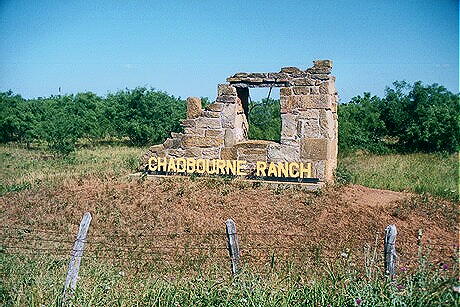
| Welcome to Chadbourne Ranch and the entrance to Old Fort Chadbourne!�The ranch belongs to Garland and Lana Richards. Thomas L. Odom, who purchased the land in 1876, also bought cattle from the legendary Charles Goodnight and is the great-great-great grandfather of Garland Richards. | ||||||||||||||||||||||||||||||||||||||||||||||||||||||||||||||||||||||||||||||||||||||||||||||||||||||||||||||||
|
||||||||||||||||||||||||||||||||||||||||||||||||||||||||||||||||||||||||||||||||||||||||||||||||||||||||||||||||
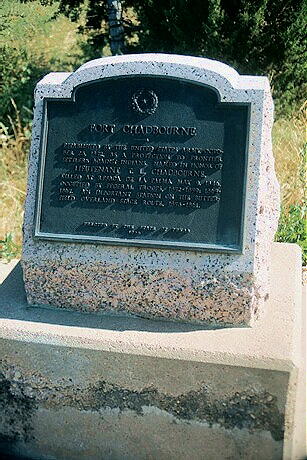
| Here's the 1936 Texas Centennial historical marker which welcomes visitors and gives a short history of the fort.�It reads: | ||||||||||||||||||||||||||||||||||||||||||||||||||||||||||||||||||||||||||||||||||||||||||||||||||||||||||||||||
| "Established by the United States Army, October 28, 1852, as a protection to frontier settlers against Indians.� Named in honor of Lieutenant T. L. Chadbourne, killed at Resaca de La Palma May 9, 1846.�Occupied by federal troops, 1852 - 1861; 1865 - 1867.�An important station on the Butterfield Overland Stage Route, 1858 - 1861." | ||||||||||||||||||||||||||||||||||||||||||||||||||||||||||||||||||||||||||||||||||||||||||||||||||||||||||||||||
| Officers' Quarters | ||||||||||||||||||||||||||||||||||||||||||||||||||||||||||||||||||||||||||||||||||||||||||||||||||||||||||||||||
|
||||||||||||||||||||||||||||||||||||||||||||||||||||||||||||||||||||||||||||||||||||||||||||||||||||||||||||||||
|
||||||||||||||||||||||||||||||||||||||||||||||||||||||||||||||||||||||||||||||||||||||||||||||||||||||||||||||||
|
||||||||||||||||||||||||||||||||||||||||||||||||||||||||||||||||||||||||||||||||||||||||||||||||||||||||||||||||
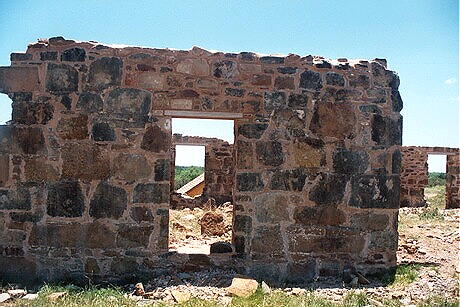
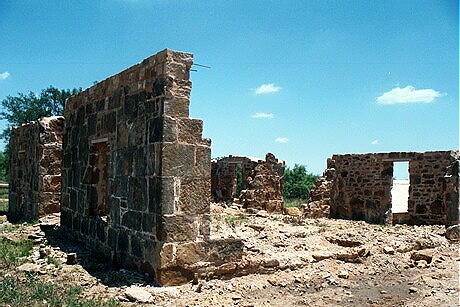
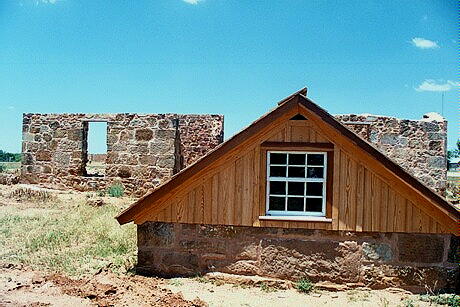
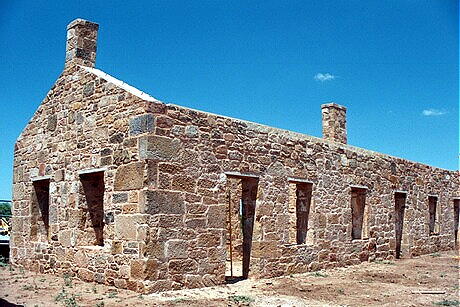
| This building, the officers' quarters, was actually two separate buildings with a covered breezeway between them. This was believed to house some of the lower ranking officers of the fort.�This building was also used as the headquarters and home for Garland G. Odom in 1876 when he brought 35,000 head of cattle up from San Antonio to begin ranching in this area.� This building will be restored to the original ranch headquarters in the near future. | ||||||||||||||||||||||||||||||||||||||||||||||||||||||||||||||||||||||||||||||||||||||||||||||||||||||||||||||||
| The Cellar | ||||||||||||||||||||||||||||||||||||||||||||||||||||||||||||||||||||||||||||||||||||||||||||||||||||||||||||||||
|
||||||||||||||||||||||||||||||||||||||||||||||||||||||||||||||||||||||||||||||||||||||||||||||||||||||||||||||||
| The exterior | ||||||||||||||||||||||||||||||||||||||||||||||||||||||||||||||||||||||||||||||||||||||||||||||||||||||||||||||||
|
||||||||||||||||||||||||||||||||||||||||||||||||||||||||||||||||||||||||||||||||||||||||||||||||||||||||||||||||
| The interior | ||||||||||||||||||||||||||||||||||||||||||||||||||||||||||||||||||||||||||||||||||||||||||||||||||||||||||||||||
|
||||||||||||||||||||||||||||||||||||||||||||||||||||||||||||||||||||||||||||||||||||||||||||||||||||||||||||||||
|
||||||||||||||||||||||||||||||||||||||||||||||||||||||||||||||||||||||||||||||||||||||||||||||||||||||||||||||||
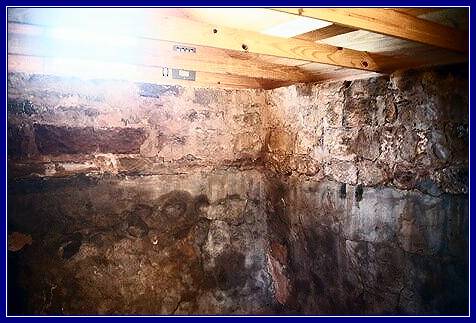
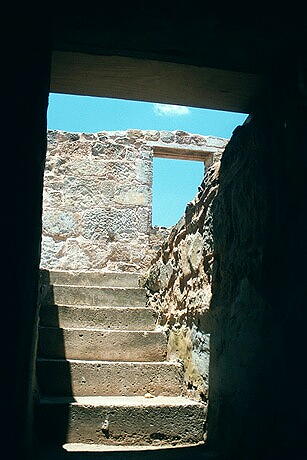
| This is a very unusual structure found in forts of this era.�The cellar was believed to have been used for food storage during the fort's activation and was used as a U.S. Post Office from 1876 to 1910. | ||||||||||||||||||||||||||||||||||||||||||||||||||||||||||||||||||||||||||||||||||||||||||||||||||||||||||||||||
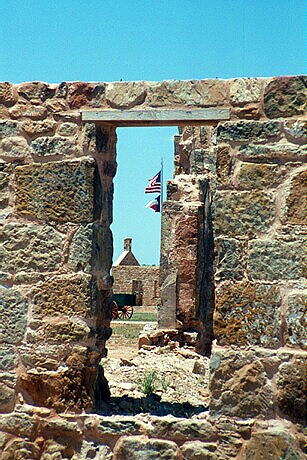
| Upon leaving the cellar, take a look through the ruins of the officers' quarters at the old Fort Chadbourne barracks.�It is almost like peering through time. | ||||||||||||||||||||||||||||||||||||||||||||||||||||||||||||||||||||||||||||||||||||||||||||||||||||||||||||||||
| The Fountain House | ||||||||||||||||||||||||||||||||||||||||||||||||||||||||||||||||||||||||||||||||||||||||||||||||||||||||||||||||
|
||||||||||||||||||||||||||||||||||||||||||||||||||||||||||||||||||||||||||||||||||||||||||||||||||||||||||||||||
|
||||||||||||||||||||||||||||||||||||||||||||||||||||||||||||||||||||||||||||||||||||||||||||||||||||||||||||||||
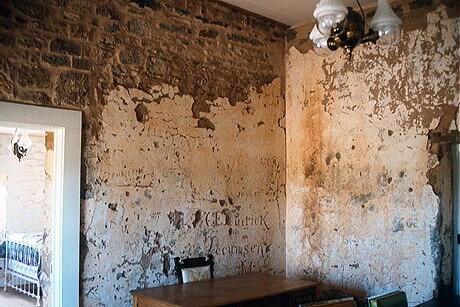
| The foundation and portions of the walls of this structure, known as the Fountain House, was started during the fort's occupation in anticipation of Robert E. Lee being headquartered at Fort Chadbourne.�His orders were changed and he was sent to another fort. The building was completed after the abandonment of Fort Chadbourne and was occupied by the Fountain family, thought to have been friends of Garland Odom, thus the name. | ||||||||||||||||||||||||||||||||||||||||||||||||||||||||||||||||||||||||||||||||||||||||||||||||||||||||||||||||
|
||||||||||||||||||||||||||||||||||||||||||||||||||||||||||||||||||||||||||||||||||||||||||||||||||||||||||||||||
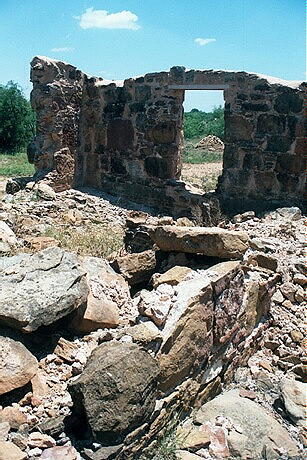
| Here is the interior dining area of the Fountain House with historic old graffiti. If only these walls could talk! |
||||||||||||||||||||||||||||||||||||||||||||||||||||||||||||||||||||||||||||||||||||||||||||||||||||||||||||||||
|
||||||||||||||||||||||||||||||||||||||||||||||||||||||||||||||||||||||||||||||||||||||||||||||||||||||||||||||||
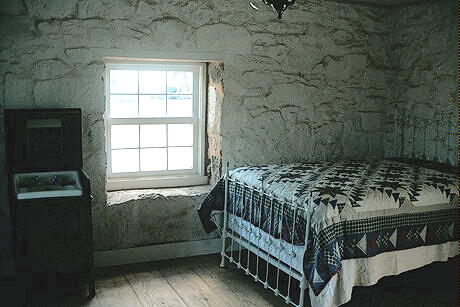
| The interior bedroom of the two-room Fountain House is beautifully restored. | ||||||||||||||||||||||||||||||||||||||||||||||||||||||||||||||||||||||||||||||||||||||||||||||||||||||||||||||||
|
||||||||||||||||||||||||||||||||||||||||||||||||||||||||||||||||||||||||||||||||||||||||||||||||||||||||||||||||
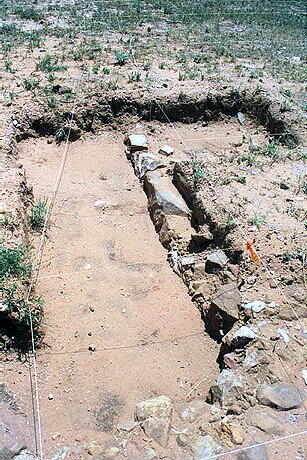
| Walk outside the Fountain House and notice an archeological dig revealing the foundations of officers' quarters next door. | ||||||||||||||||||||||||||||||||||||||||||||||||||||||||||||||||||||||||||||||||||||||||||||||||||||||||||||||||
| Commanding Officer's Quarters | ||||||||||||||||||||||||||||||||||||||||||||||||||||||||||||||||||||||||||||||||||||||||||||||||||||||||||||||||
|
||||||||||||||||||||||||||||||||||||||||||||||||||||||||||||||||||||||||||||||||||||||||||||||||||||||||||||||||
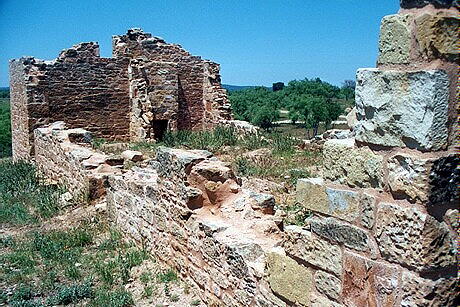
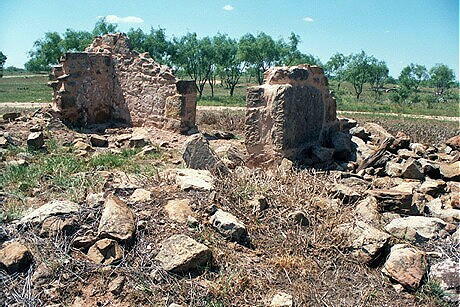
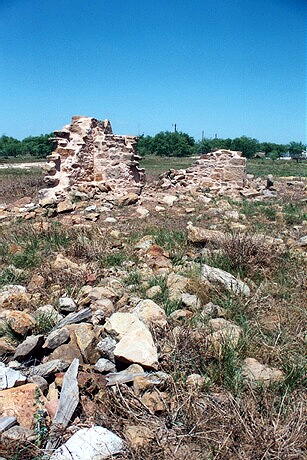
| Until recently these ruins were thought to be the surgeon's quarters but in actuality turned out to be the quarters for Fort Chadbourne's commanding officer.�This area is located at the fort's highest point. | ||||||||||||||||||||||||||||||||||||||||||||||||||||||||||||||||||||||||||||||||||||||||||||||||||||||||||||||||
| The Hospital | ||||||||||||||||||||||||||||||||||||||||||||||||||||||||||||||||||||||||||||||||||||||||||||||||||||||||||||||||
|
||||||||||||||||||||||||||||||||||||||||||||||||||||||||||||||||||||||||||||||||||||||||||||||||||||||||||||||||
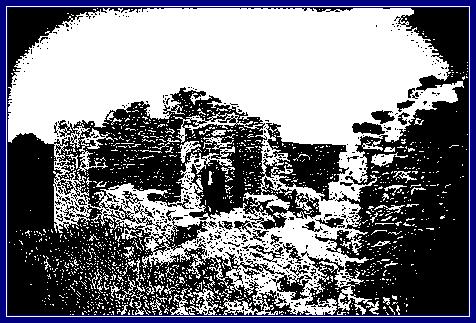
| (High contrast black and white rendition of 35mm Kodak Gold ASA 200 photo) | ||||||||||||||||||||||||||||||||||||||||||||||||||||||||||||||||||||||||||||||||||||||||||||||||||||||||||||||||
| A "charcoal" sketch of the old post hospital with ranch horse in the middle grazing. | ||||||||||||||||||||||||||||||||||||||||||||||||||||||||||||||||||||||||||||||||||||||||||||||||||||||||||||||||
|
||||||||||||||||||||||||||||||||||||||||||||||||||||||||||||||||||||||||||||||||||||||||||||||||||||||||||||||||
|
||||||||||||||||||||||||||||||||||||||||||||||||||||||||||||||||||||||||||||||||||||||||||||||||||||||||||||||||
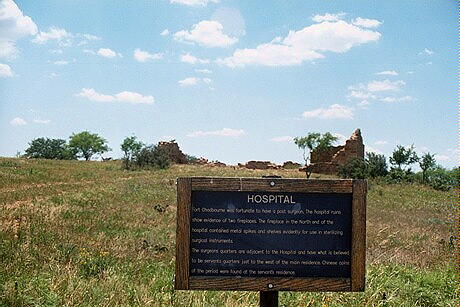
| The troops at Fort Chadbourne were fortunate to have a doctor stationed at the post. Dr. Ebenezer Swift, a captain in rank, was the first doctor to be posted at Fort Chadbourne, arriving on November 20, 1852.�Dr. Swift and his wife remained here until 1856 before moving to Ft. Snelling, Minnesota. Just as Cpt. Ebenezer Swift served as a surgeon during his military career on the frontier, one of his two sons, born at FortChadbourne, also entered into a highly successful military career. | ||||||||||||||||||||||||||||||||||||||||||||||||||||||||||||||||||||||||||||||||||||||||||||||||||||||||||||||||
|
||||||||||||||||||||||||||||||||||||||||||||||||||||||||||||||||||||||||||||||||||||||||||||||||||||||||||||||||
| Hospital Fire Place and Chimney | ||||||||||||||||||||||||||||||||||||||||||||||||||||||||||||||||||||||||||||||||||||||||||||||||||||||||||||||||
| The hospital was fairly isolated from the rest of the fort buildings to slow the spread of communicable diseases.� FortChadbourne had several surgeons and was considered to be the best medical facility in this part of Texas. There are two chimneys in this building.� The large north chimney had metal spikes and shelves built into it for supposedly sterilizing surgical instruments. | ||||||||||||||||||||||||||||||||||||||||||||||||||||||||||||||||||||||||||||||||||||||||||||||||||||||||||||||||
| Infantry and Dragoon Barracks | ||||||||||||||||||||||||||||||||||||||||||||||||||||||||||||||||||||||||||||||||||||||||||||||||||||||||||||||||
|
||||||||||||||||||||||||||||||||||||||||||||||||||||||||||||||||||||||||||||||||||||||||||||||||||||||||||||||||
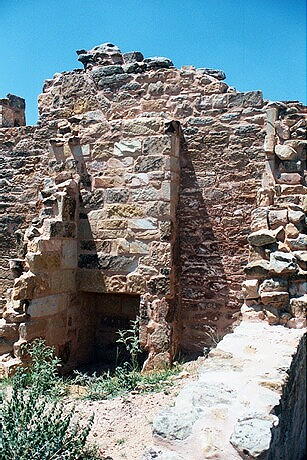
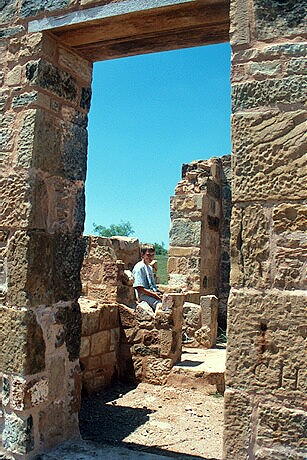
| Here is an excellent young tour guide taking a rest in the barracks! | ||||||||||||||||||||||||||||||||||||||||||||||||||||||||||||||||||||||||||||||||||||||||||||||||||||||||||||||||
|
||||||||||||||||||||||||||||||||||||||||||||||||||||||||||||||||||||||||||||||||||||||||||||||||||||||||||||||||
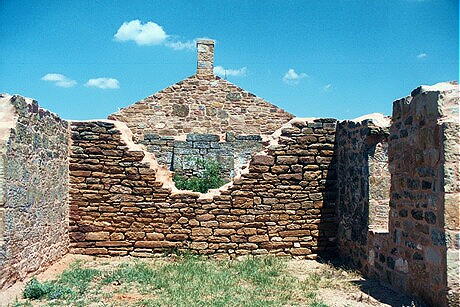
| Interior view of the barracks | ||||||||||||||||||||||||||||||||||||||||||||||||||||||||||||||||||||||||||||||||||||||||||||||||||||||||||||||||
|
||||||||||||||||||||||||||||||||||||||||||||||||||||||||||||||||||||||||||||||||||||||||||||||||||||||||||||||||
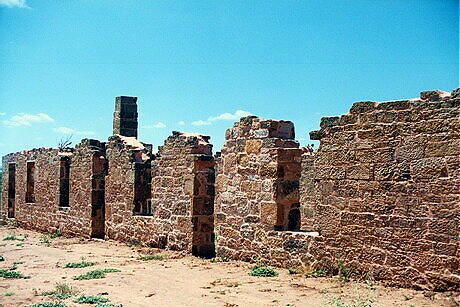
| Exterior views of the barracks | ||||||||||||||||||||||||||||||||||||||||||||||||||||||||||||||||||||||||||||||||||||||||||||||||||||||||||||||||
|
||||||||||||||||||||||||||||||||||||||||||||||||||||||||||||||||||||||||||||||||||||||||||||||||||||||||||||||||
| Restoration of the roofs is to be completed very soon. Garland Richards tells the story of how his father many years ago was happy to finally have the tin roofs come off during a storm because then he wouldn't have to go up there and fix them all the time.�These buildings were originally used as a barn and stable at the ranch. | ||||||||||||||||||||||||||||||||||||||||||||||||||||||||||||||||||||||||||||||||||||||||||||||||||||||||||||||||
|
||||||||||||||||||||||||||||||||||||||||||||||||||||||||||||||||||||||||||||||||||||||||||||||||||||||||||||||||
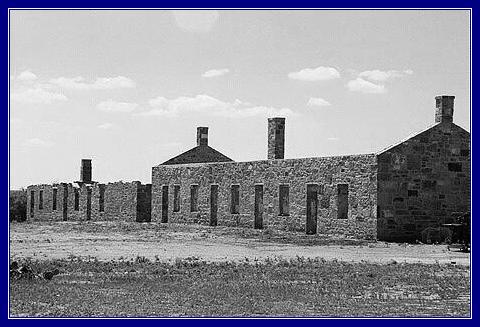
| (Monochrome rendition of 35mm Kodak Gold ASA 200 photo) | ||||||||||||||||||||||||||||||||||||||||||||||||||||||||||||||||||||||||||||||||||||||||||||||||||||||||||||||||
| It was thought until 1999, that there were only two barracks at Fort Chadbourne.� Another two sets of foundations were discovered in 1999 while clean-up operations were taking place.�It is thought these barracks' foundations were completed but actual building never commenced perhaps due to word of the soon-to-be abandonment of the fort.�There were as many as 350 soldiers stationed at the fort on several occasions. | ||||||||||||||||||||||||||||||||||||||||||||||||||||||||||||||||||||||||||||||||||||||||||||||||||||||||||||||||
|
||||||||||||||||||||||||||||||||||||||||||||||||||||||||||||||||||||||||||||||||||||||||||||||||||||||||||||||||
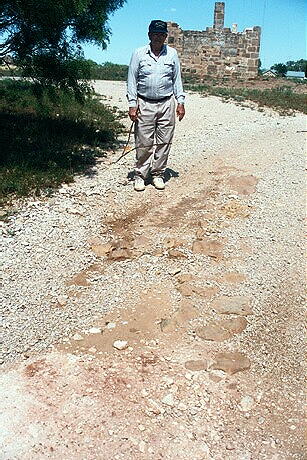
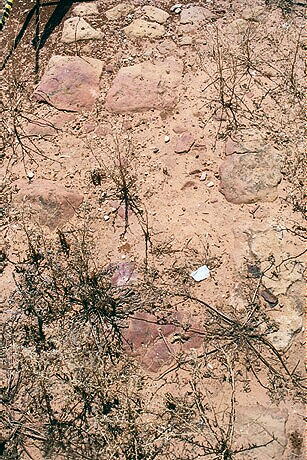
| Maybe you will have the pleasure of meeting Dub Davis, friend of rancher Garland Richards, who owns the fort. Dub loves to douse for water and old fort foundations as well as use his metal detector to find old artifacts.� Here are the foundations of some old army barracks that were never completed.�They are now part of a private road bed and were probably uncovered after recent torrential rains. | ||||||||||||||||||||||||||||||||||||||||||||||||||||||||||||||||||||||||||||||||||||||||||||||||||||||||||||||||
| Archeology around the Old Barracks | ||||||||||||||||||||||||||||||||||||||||||||||||||||||||||||||||||||||||||||||||||||||||||||||||||||||||||||||||
|
||||||||||||||||||||||||||||||||||||||||||||||||||||||||||||||||||||||||||||||||||||||||||||||||||||||||||||||||
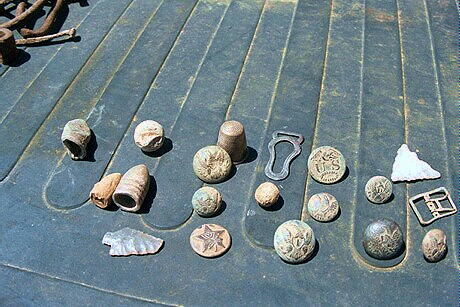
| Part of Dub's archeological finds in the back of his pick-up truck, artifacts which will soon go in the Fort Chadbourne Museum! | ||||||||||||||||||||||||||||||||||||||||||||||||||||||||||||||||||||||||||||||||||||||||||||||||||||||||||||||||
|
||||||||||||||||||||||||||||||||||||||||||||||||||||||||||||||||||||||||||||||||||||||||||||||||||||||||||||||||
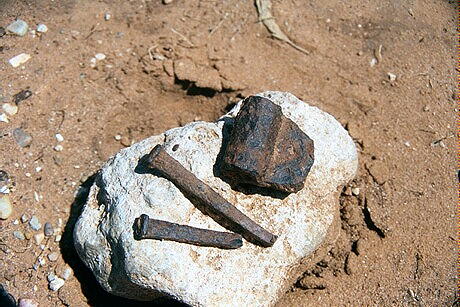
| Here are a couple of old square nails used by fatigue details to construct the barracks and part of an old hinge.� These artifacts were found near the bakery behind the barracks. | ||||||||||||||||||||||||||||||||||||||||||||||||||||||||||||||||||||||||||||||||||||||||||||||||||||||||||||||||
|
||||||||||||||||||||||||||||||||||||||||||||||||||||||||||||||||||||||||||||||||||||||||||||||||||||||||||||||||
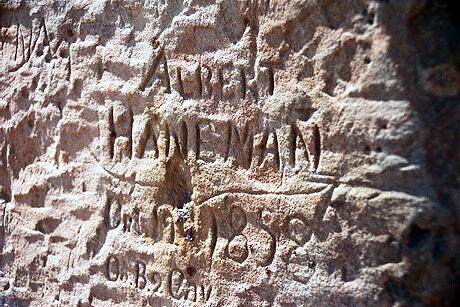
| Here is archaeology of a different sort: graffiti carved into the sandstone walls of the old barracks by a bored cavalryman.� It reads: "Albert Haneman, Oct. 19, 1858, Co. B. Cav.". | ||||||||||||||||||||||||||||||||||||||||||||||||||||||||||||||||||||||||||||||||||||||||||||||||||||||||||||||||
|
||||||||||||||||||||||||||||||||||||||||||||||||||||||||||||||||||||||||||||||||||||||||||||||||||||||||||||||||
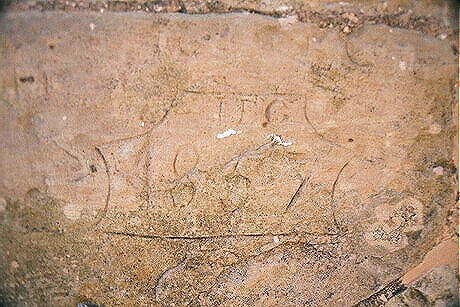
| Notice this graffiti:�"T.E.G. 1857" within an anvil. | ||||||||||||||||||||||||||||||||||||||||||||||||||||||||||||||||||||||||||||||||||||||||||||||||||||||||||||||||
|
||||||||||||||||||||||||||||||||||||||||||||||||||||||||||||||||||||||||||||||||||||||||||||||||||||||||||||||||
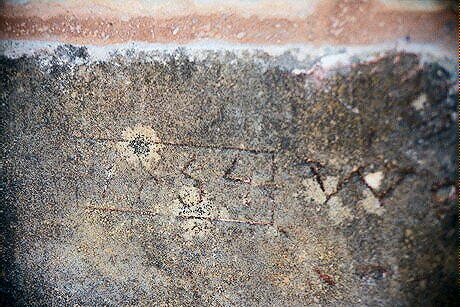
| Now notice "1854� W� o o" with the date in a rectangle. | ||||||||||||||||||||||||||||||||||||||||||||||||||||||||||||||||||||||||||||||||||||||||||||||||||||||||||||||||
|
||||||||||||||||||||||||||||||||||||||||||||||||||||||||||||||||||||||||||||||||||||||||||||||||||||||||||||||||
| � Post Bakery | ||||||||||||||||||||||||||||||||||||||||||||||||||||||||||||||||||||||||||||||||||||||||||||||||||||||||||||||||
| Walking toward the back of the barracks, look out for the foundations of the barracks bakery just off the location of the old mess hall (no ruins of the mess hall remain). | ||||||||||||||||||||||||||||||||||||||||||||||||||||||||||||||||||||||||||||||||||||||||||||||||||||||||||||||||
| Butterfield Overland Mail Station | ||||||||||||||||||||||||||||||||||||||||||||||||||||||||||||||||||||||||||||||||||||||||||||||||||||||||||||||||
|
||||||||||||||||||||||||||||||||||||||||||||||||||||||||||||||||||||||||||||||||||||||||||||||||||||||||||||||||
|
||||||||||||||||||||||||||||||||||||||||||||||||||||||||||||||||||||||||||||||||||||||||||||||||||||||||||||||||
| It is thought that this building, the old Butterfield Overland Mail Station, was used primarily as a stage passenger and mail depot from 1858 to 1861. Here passengers on the stage got a chance to stretch their legs and sometimes got something to eat while fresh horses or mules were changed over on the stage.� Fort Chadbourne was located on the primary southern road stretching 2800 miles from St. Louis, Missouri to San Francisco, California.�This road was one of the most important routes for the flow of people and commerce between the East and the West in America for more than half the 19th century. | ||||||||||||||||||||||||||||||||||||||||||||||||||||||||||||||||||||||||||||||||||||||||||||||||||||||||||||||||
|
||||||||||||||||||||||||||||||||||||||||||||||||||||||||||||||||||||||||||||||||||||||||||||||||||||||||||||||||
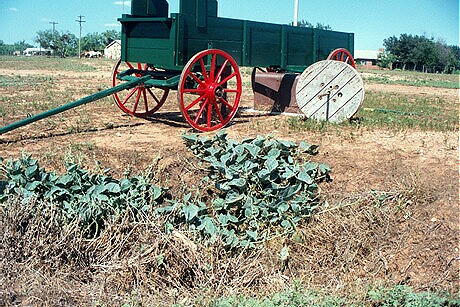
| Walk to the front of the barracks and across the old parade ground and notice the post well, now collapsed. �Dub Davis estimates that the well went about 60 feet deep.�Note the rustic looking wagon which is a reminder of the pioneer ranching days long since passed. | ||||||||||||||||||||||||||||||||||||||||||||||||||||||||||||||||||||||||||||||||||||||||||||||||||||||||||||||||
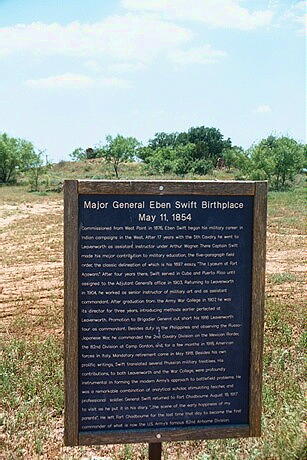
| Major General Eben Swift | ||||||||||||||||||||||||||||||||||||||||||||||||||||||||||||||||||||||||||||||||||||||||||||||||||||||||||||||||
|
||||||||||||||||||||||||||||||||||||||||||||||||||||||||||||||||||||||||||||||||||||||||||||||||||||||||||||||||
| "Post surgeon, Cpt. Ebenezer Swift had a son born at Ft. Chadbourne on May 11, 1854 who later became Major General Eben Swift. Commissioned from West Point in 1876, Eben Swift began his military career in Indian campaigns in the West. After 17 years with the 5th Cavalry, he went to Leavenworth as assistant instructor under Arthur Wagner.� There Cpt. Swift made his major contribution to military education, the five-paragraph field order, the classic delineation of which is his 1897 essay, 'The Lyceum at Fort Agaworth.' After four years there, Swift served in Cuba and Puerto Rico until assigned to the Adjutant General's office in 1903. Returning to Leavenworth in 1904, he worked as senior instructor of military art and as assistant commandant.� After graduation from the Army War College in 1907, he was its director for three years introducing methods earlier perfected in Leavenworth. �Promotion to brigadier general cut short his 1916 Leavenworth tour as commandant.� Besides duty in the Philippines and observing the Russo-Japanese War, he commanded the 2nd Cavalry Division on the Mexican border, the 82nd division at Camp Gordon, and for a few months in 1918, American forces in Italy.� Mandatory retirement came in May 1918.� Besides his own prolific writings, Swift translated several Prussian military treatises.� His contribution to both Leavenworth and the War College were profoundly instrumental in forming the modern army's approach to battlefield problems.� He was a remarkable combination of analytical scholar, stimulating teacher and professional soldier.� General Swift returned to Fort Chadbourne August 18, 1917 to visit as he put it in his diary 'the scene of the early happiness of my parents'.� He left Fort Chadbourne for the last time that day to become the first commander of what is now the U.S. Army's famous 82nd Airborne Division." | ||||||||||||||||||||||||||||||||||||||||||||||||||||||||||||||||||||||||||||||||||||||||||||||||||||||||||||||||
| Fort Chadbourne Cemetery | ||||||||||||||||||||||||||||||||||||||||||||||||||||||||||||||||||||||||||||||||||||||||||||||||||||||||||||||||
|
||||||||||||||||||||||||||||||||||||||||||||||||||||||||||||||||||||||||||||||||||||||||||||||||||||||||||||||||
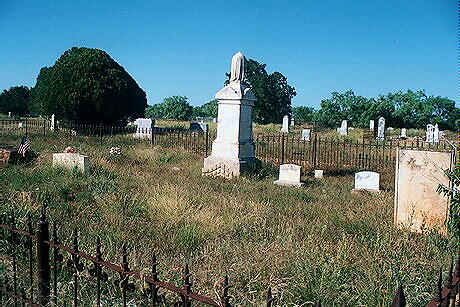
| Finally, stop by the Fort Chadbourne Cemetery, 1� miles from the ruins of Fort Chadbourne.� It was the burial place for soldiers stationed at the fort, but later their remains were disinterred from the site and reburied at Ft. Sam Houston National Cemetery in San Antonio.�Here is the Odom burial plot, where the pioneer founder of Chadbourne Ranch, Thomas Lawson Odom (1825 - 1897) is buried. Also buried are son Stephen A. Douglas Odom (1856 - 1877) and granddaughter Donnie Odom (1879 - 1881), daughter of Mr. and Mrs. Garland Odom.�Note how short life was for some in those "good old days". | ||||||||||||||||||||||||||||||||||||||||||||||||||||||||||||||||||||||||||||||||||||||||||||||||||||||||||||||||
|
||||||||||||||||||||||||||||||||||||||||||||||||||||||||||||||||||||||||||||||||||||||||||||||||||||||||||||||||
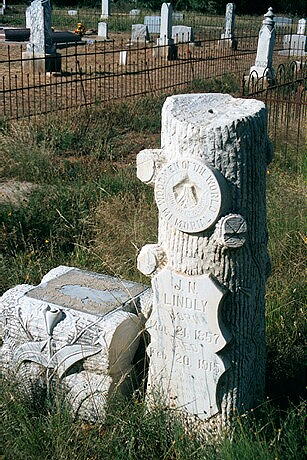
| A poignant and unusual marker showing the spot where early settler J.N. Lindley is laid to rest.�He was born March 21, 1857 and died February 20, 1915, evidently a member of Woodmen of the World, a fraternal life insurance and investment society. | ||||||||||||||||||||||||||||||||||||||||||||||||||||||||||||||||||||||||||||||||||||||||||||||||||||||||||||||||
| I hope that you have enjoyed your virtual tour of Old Fort Chadbourne.�Special thanks go to Garland Richards and his wife Lana who made my visit on May 31, 2002 a truly memorable occasion, and also Dub Davis whose dowsing rod and many stories added much color to the history of old Fort Chadbourne. | ||||||||||||||||||||||||||||||||||||||||||||||||||||||||||||||||||||||||||||||||||||||||||||||||||||||||||||||||
| He who fears the LORD has a secure fortress, and for his children it will be a refuge. Proverbs 14:26 (NIV) | ||||||||||||||||||||||||||||||||||||||||||||||||||||||||||||||||||||||||||||||||||||||||||||||||||||||||||||||||
| Virtual tour created by David W. Astwood. All rights reserved. Photographs displayed on this page are the property of the author.� Email: [email protected] | ||||||||||||||||||||||||||||||||||||||||||||||||||||||||||||||||||||||||||||||||||||||||||||||||||||||||||||||||
| Home | ||||||||||||||||||||||||||||||||||||||||||||||||||||||||||||||||||||||||||||||||||||||||||||||||||||||||||||||||
|
||||||||||||||||||||||||||||||||||||||||||||||||||||||||||||||||||||||||||||||||||||||||||||||||||||||||||||||||