 |
|
|
|
|
|
|
|
|
|
|
|
|
|
|
|
|
|
|
|
Dwight D. Schaefer, D.C. |
|
|
|
 |
|
|
|
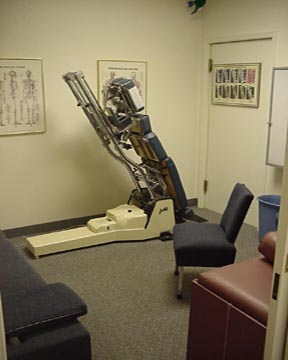
Chiropractic equipment has evolved over the years to allow the Dr. to perform specific treatment ( adjustment ) to the patient with little or no discomfort.
The picture to the left is a typical Chiropractic treatment room. The table in the background is in the up position which gently lowers the patient for the Dr. to examine and treat the spine. The chair in the center has a fold away back to allow further exams and also for specific treatment of the cervical (neck ) spine. |
|
|
|
|
|
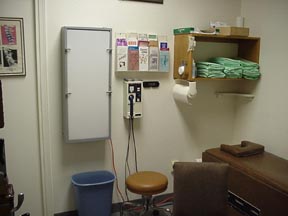
All treatment rooms are equiped with ultrasound, X-ray view boxes and intersegmental traction tables. Ultrasound is used to reduce inflammation and swelling of the injuried area and the traction table has gentile rollers that reduces pressure involving problems with the spinal discs. This is used to help the adjustments hold for faster healing. |
|
|
 |
|
|
|
|
|
|
 |
|
|
|
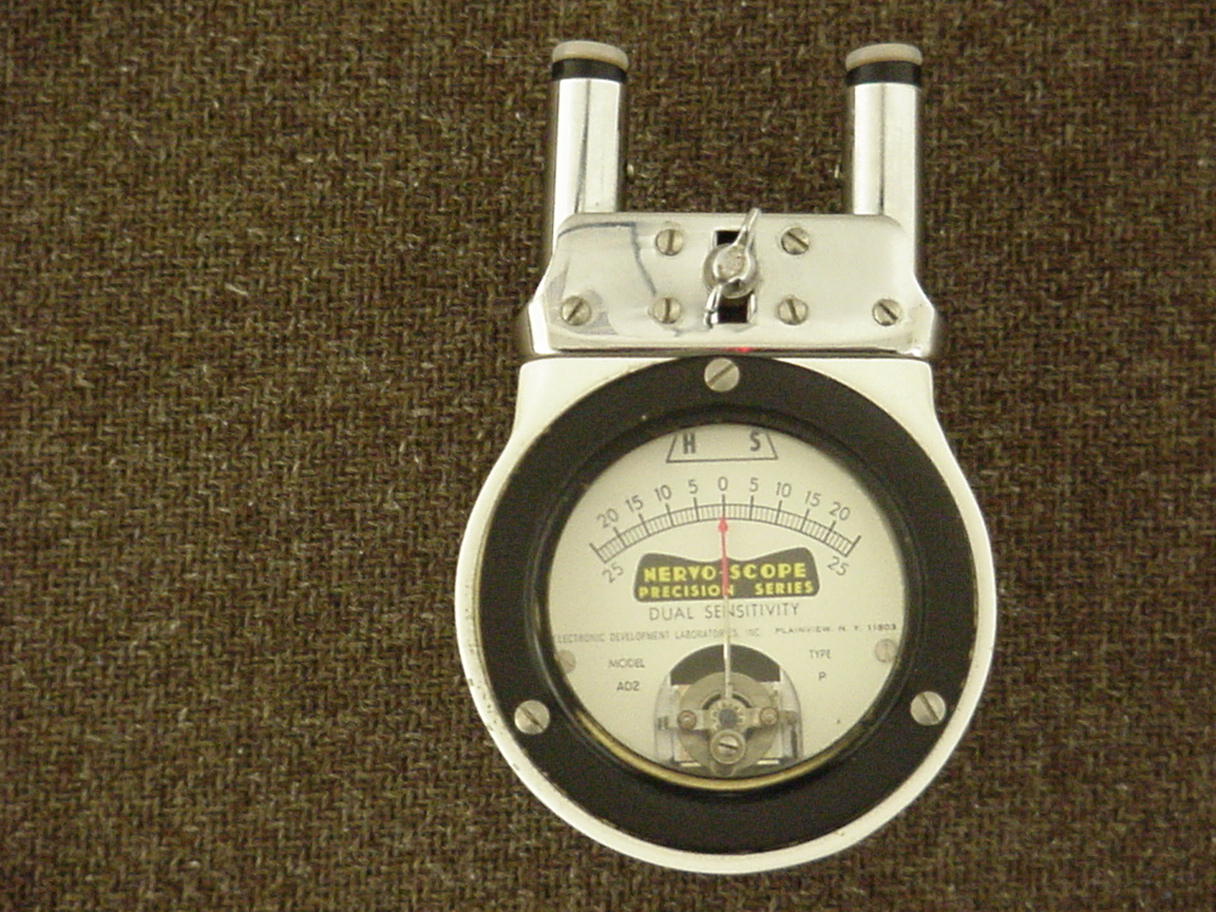
This instrument is a Nerve-Scope. It is gently and slowly moved over the spine to detect heat readings. The red needle will move in the direction of heat (the more it moves indicates higher heat) which relates to inflammation. This allows us to pin point the exact area of Subluxation for correction through Chiropractic adjustments. |
|
|
|
|
|
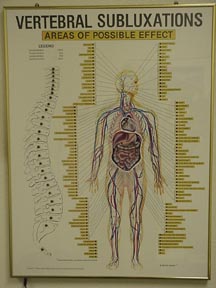
Subluxation is a Chiropractic term for mis-aligned vertebra that has lost its normal range of motion and in turn produces irratation to the spinal nerves.
The spinal column protects the spinal cord and nerves from damage, however , injuries do occur that produce a Subluxation of the spine requiring correction through Chiropractic treatment.
Common symptoms of a subluxation are: PAIN, HEADACHES, NUMBNESS and DIGESTIVE CHANGES. Not all Subluxations produce symptoms so a Chiropractic exam is a must. |
|
|
 |
|
|
|
|