Syringe/Needle Exchange
Since the early 1980s, heroin use has been spreading rapidly in the major metropolitan areas of India -- Delhi, Kolkata, Chennai and Mumbai. In the past, most of the heroin sold in India was the crude and highly impure form known as �brown sugar,� which was typically used by smoking. The purer variety known as �white sugar� or �number four,� however, has become increasingly available, particularly in the states of Manipur, Nagaland and Mizoram. Injecting of other drugs, in particular buprenorphine, became epidemic in those same major cities in the early 1990s.
Early in the decade of the 1990s it had been estimated that there were 50,000 injecting drug users (IDUs) in India. By the end of that decade, it was estimated that there were 25,000 to 30,000 IDUs in Delhi alone, with 15,000 to 20,000 in Manipur, 38,000 in Mumbai, 10,000 to 15,000 in Kolkata, and 10,000 to 15,000 in Chennai.
Sharing of injecting equipment is widespread among India�s IDUs. Due to the short supply of hypodermic syringes many IDUs patronize �shooting galleries� where they rent the use of a syringe in order to inject their drug, with that same syringe being used by many IDUs each day for day after day. Surveys of IDUs reveal that most have shared a syringe on more than one occasion.
The growing AIDS/HIV epidemic has reached the point that there are now an estimated 4 million persons with AIDS in India. This figure places India as the country with the second largest number of HIV infections in the world, behind South Africa. Unofficial estimates of HIV infection in India, however, place India as the country with the highest number of infections in the world.
The size and nature of the AIDS epidemic varies from place to place. Although most HIV infections in India are through sexual transmission, injecting drug use plays an important role in a number of the local epidemics and its importance in the growth of AIDS nationally is apparently increasing. HIV spreads very quickly through populations of injecting drug users and this has rapidly created substantial populations of people in various places who are HIV positive and are sexually active in the broader society. This has both stimulated new epidemics, such as in Manipur and Bihar, and fueled existing epidemics, for instance, in Chennai.
HIV infections among IDUs were first reported in Manipur, increasing from none to 50% of the IDUs in Manipur within six months from September, 1989 to March, 1990. HIV infection rates among IDUs in 2001 were estimated at 45% in Delhi, 31% in Chennai, and 24% in Mumbai. Transmission of HIV infection from IDUS to their non-injecting spouses increasing from 6% in 1991 to 45% in 1997.
Increasing the availability of sterile hypodermic needles and syringes through needle and syringe exchange programmes (NSEPs), pharmacies, and other outlets reduces unsafe injection practices such as needle sharing and thus curtails transmission of HIV/AIDS and hepatitis. NSEPs have also been shown to increase safe disposal of used syringes and to help injecting drug users to obtain drug information, detoxification, treatment, social services, and primary health care.
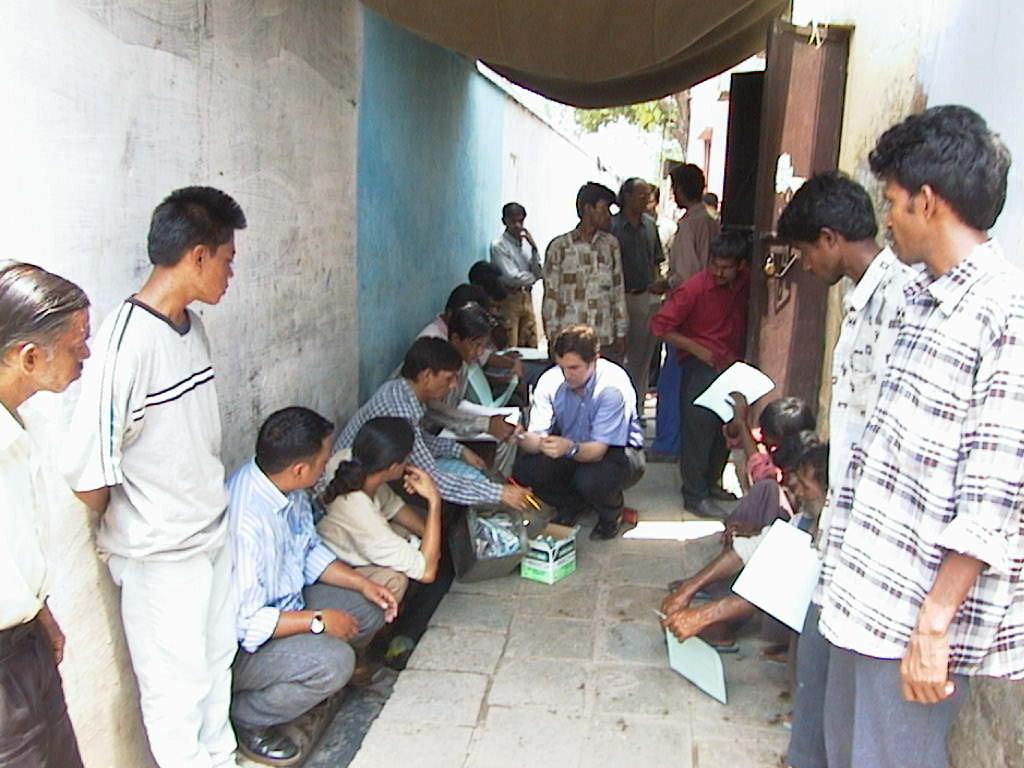
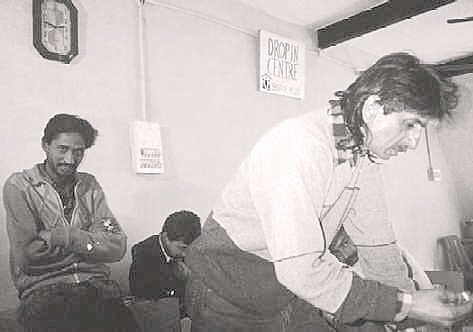
Early in the last decade of the Twentieth Century, the charity organization SHARAN expanded its scope from services for the economically marginalized to include drug abusers. This concern evolved into the Five Cities Project, which addresses the needs of injecting drug users in Chennai, Delhi, Imphal, Kolkatta, and Mumbai. This Project includes a needle and syringe exchange programme operating at up to nine locations in each city.
Related Links
The National AIDS Control Organization is India's link with the U.N. AIDS Programme. click here
News Report: "Drug addiction main cause of HIV infection in India's northeast."
click here
The Asia/Pacific Council of AIDS Service Organisations (APCASO) is a network of non-government and community-based organisations that provide HIV/AIDS services within the Asia Pacific region.
click here
SHARAN serves marginalized populations including drug abusers and persons with AIDS.
click here
U. S. Center for Disease Control Review of Scientific Data on Needle Exchange Programmes. click here
W.H.O. Harm Reduction Approaches to Injecting Drugs. click here