|
|
|
|
|
|
|
|
|
|
|
|
|
|
|
|
|
|
|
|
|
|
|
|
|
|
|
|
|
|
|
|
|
|
|
|
|
|
|
|
|
|
|
|
|
|
|
|
|
|
|
|
|
|
|
|
|
|
|
|
|
|
|
|
|
|
|
|
|
|
|
|
|
|
|
|
|
|
|
|
|
|
|
|
|
|
|
|
|
|
|
|
|
 |
|
|
|
Joe LaVigne's |
|
|
|
AstroVideo Page
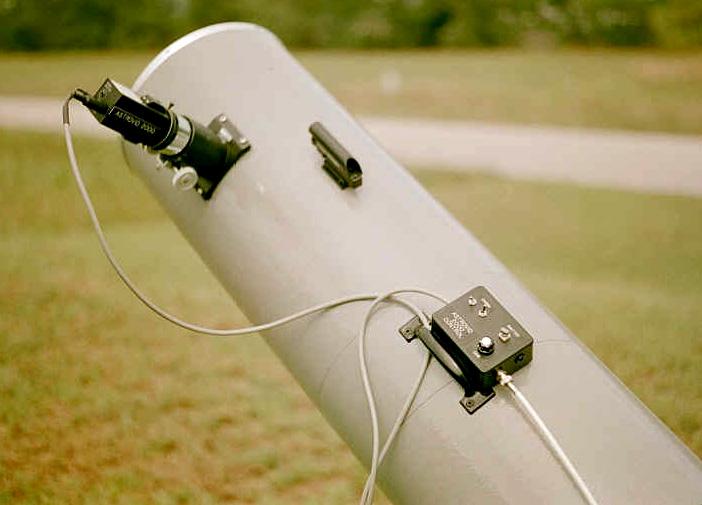
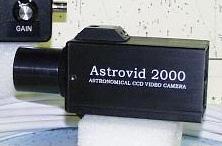
The Adirondack Video Astronomy's Astrovid 2000 is a versatile CCD video camera used to image the brighter astronomical objects, namely the Sun, Moon and Planets. Here are some examples of the fantastic capabilities of this camera. |
|
|
|
|
|
Homepage I ATM page |
|
|
|
|
|
 |
|
|
|
 |
|
|
January 2000 Lunar Eclipse
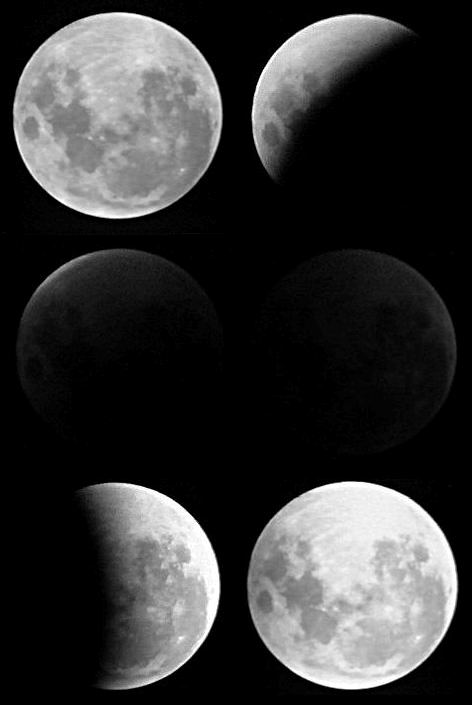
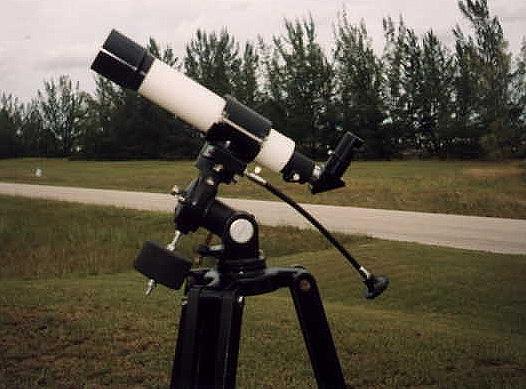
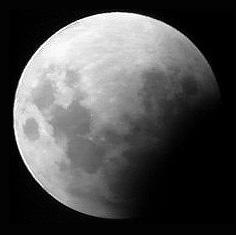
Click on the image at right to see an animated GIF of the entire lunar eclipse. Using an equatorially mounted 60mm f/7 refractor at prime focus, Thirty 2 minute segments were taped throughout the eclipse. Thirty samples were then combined to make this animation. |
|
|
|
|
|
|
|
|
|
|
The following lunar images were captured using a 10" f/6 Newtonian on a dobsonian mount with no tracking capabilities. The moon was videotaped while it drifted through the field of view, the images were framegrabbed from the video using a PC. These images were taken between f/6 and f/24. They were grabbed using a Snappy framegrabber and image processed using the Snappy software or Adobe Photoshop 4.0. |
|
|
|
 |
|
|
Click on the thumbnails to see the full-size picture |
|
|
|
|
|
 |
|
|
|
|
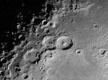
from left to right:
Catharina, Cyrillus and Theophilus |
|
|
|
|
|
|
|
|
 |
|
The ray crater
Copernicus |
|
|
|
|
|
|
|
|
The Astrovid 2000 is 2"x2"x4" in size and weighs only seven ounces. It uses a 1/2" B&W CCD video chip. See a review in the August, 1999 Sky & Telescope or visit the Adirondack Video Astronomy website for more information. |
|
|
|
|
|
|
|
 |
|
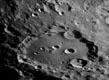
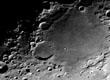
The huge 125 mile wide crater Clavius at f/12 |
|
|
|
|
|
|
|
|
|
Note: the noise and grain in some of these images is the result of image processing, not of the camera itself. |
|
|
|
|
 |
|
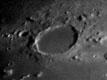
The 60 mile wide crater Plato |
|
|
|
|
|
|
|
|
|
 |
|
|
|
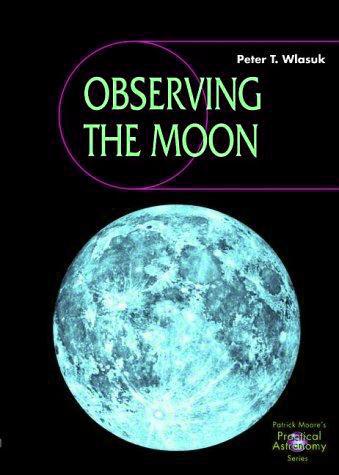
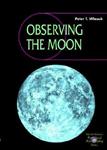
These lunar images were used in Peter Wlasuks book "Observing the Moon" |
|
|
|
|
|
|
 |
|
|
|
|
|
The ancient crater Fracastorius at f/11 using a 12.5" f/5.5 |
|
|
|
|
|
|
|
|
|
|
|
|
|
|
 |
|
|
|
Tour of the Solar System |
|
|
|
 |
|
|
|
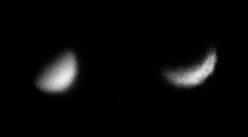
Venus
The left image was taken on May 13th, 1999.
The right image was taken on July 20th.
12.5" Newtonian @ f/11 |
|
|
|
|
|
 |
|
 |
|
|
|
|
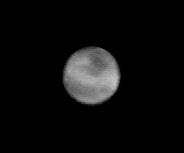
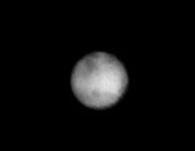
Mars on May 13th, 1999
12.5" Newtonian at f/22 |
|
|
|
Mars on May 12th 1999
12.5'" Newtonian at f/22 |
|
|
|
|
|
|
|
|
|
|
|
|
|
|
 |
|
|
 |
|
|
|
|
|
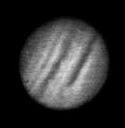
October 27th
Jupiter taken with an
8" f/8 newtonian at f/16. The Great Red Spot is at lower right. |
|
|
|
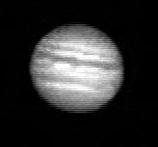
September 4th
12.5" at f/22. The Great Red Spot is visible to the lower right |
|
|
|
|
|
|
|
|
|
|
|
|
|
|
 |
|
|
|
 |
|
|
|
|
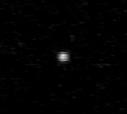
The planet Uranus imaged with an 8" f/8 used at f/16. When was the last time you saw an amateur image of Uranus.....? |
|
|
|
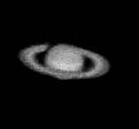
Saturn on September 4th
12.5" at f/22. |
|
|
|
|
|
|
|
|
|
|
|
|
|
|
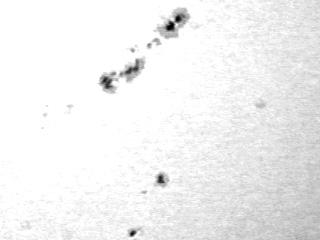
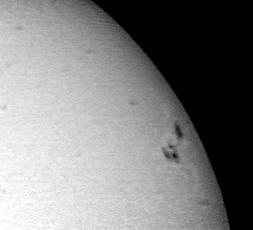
November 22nd 1999 - Some nice sunspot activity. Taken with an 8" f/8 Newtonian |
|
|
|
 |
|
|
 |
|
|
|
|
|
|
|
|
|
|
 |
|
|
|
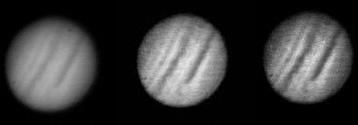
Image processing in three steps -
Left - raw image frame grabbed with a Snappy, initial contrast adjustment - not too great
Center - contrast is adjusted and image run through an unsharp mask using Adobe Photoshop 4.0
Right - the image is stacked using Photoshop to get that last bit of detail.
The final result is pretty good considering the original. Better originals make better images. |
|
|
|
 |
|
|
|
Homepage I ATM pag |
|
|
|
 |
|
|
|
Webpage and astronomy images by Joe LaVigne |
|