What Is Gingivitis?
Gingivitis is the mildest form of periodontal (gum) disease. Gingivitis is often caused by inadequate oral hygiene, which leads to plaque buildup.
Other factors that may contribute to gingivitis include, diabetes, smoking, aging, genetic predisposition, systemic diseases and conditions, stress, inadequate nutrition, puberty, hormonal fluctuations, pregnancy, substance abuse, HIV infection, and certain medication use.
The bacteria in dental plaque irritate the gums and cause infection. When your body launches an immune response against these invaders, the gums become inflamed. People with gingivitis usually experience little or no discomfort. Therefore, it is important to recognize the symptoms, such as gums that are red, swollen or bleed easily.
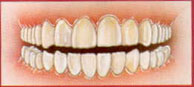
Healthy Gums
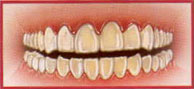
Gingivitis Infection
Gingivitis is reversible with professional treatment and good home oral care. However, if gingivitis is left untreated, it can advance to periodontitis.
Periodontal disease is often silent, meaning symptoms may not appear until an advanced stage of the disease. However, warning signs of periodontal disease include the following:
* Red, swollen or tender gums or other pain in your mouth
* Bleeding while brushing, flossing, or eating hard food
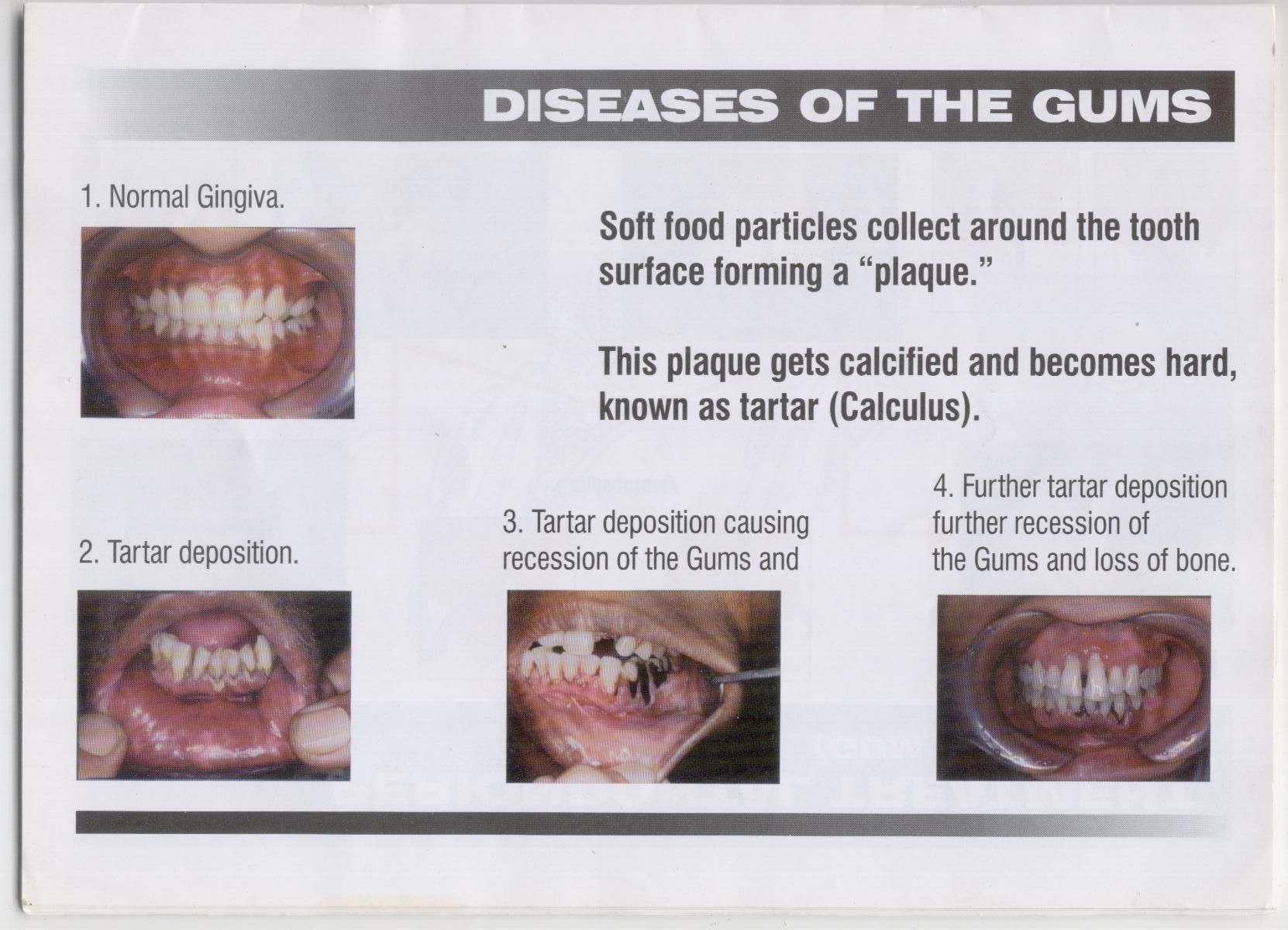
* Gums that are receding or pulling away from the teeth, causing the teeth to look longer than before
* Loose or separating teeth
* Pus between your gums and teeth
* Sores in your mouth
* Persistent bad breath
* A change in the way your teeth fit together when you bite
* A change in the fit of partial dentures
The American Academy of Periodontology's risk assessment test will help you see if you are at risk for having or developing periodontal (gum) disease. Millions of people don't know they have this serious infection that can lead to tooth loss if not treated.