The Serbs were converted to Christianity not long after their arrival in the Balkans, before the Great Schism split the Christian Church into rival Latin-speaking (Roman Catholic) and Greek-speaking Eastern Orthodox Churches. During the early Middle Ages, the religious allegiance of the Serbs was divided between the two churches.
The various Serbian principalities were united ecclesiastically in the early 13th century by Saint Sava, the son of the Serbian ruler and founder of the Serbian medieval state Stefan Nemanja and brother of Stefan Prvovencani, the first Serbian king. Sava persuaded the patriarch of the Eastern Orthodox Church to establish the Church in Serbia as an autocephalous body, with Sava himself as its archbishop, consecrated in 1219.
The status of the Serbian Orthodox Church grew along with the growth in size and prestige of the medieval kingdom of Serbia. When King Stefan Du�an assumed the imperial title of tsar in 1346, the Archbishopric of Pec was correspondingly raised to the rank of Patriarchate. In the century that followed, the Serbian Church achieved its greatest power and prestige.
In 1459, the Ottoman Empire conquered Serbia and made much of the former kingdom a pashaluk ( to Muslim faith or law. Although many Serbs did convert to Islam, most continued their adherence to the Serbian Orthodox Church.
The Church itself continued in existence throughout the Ottoman period, though not without some disruption. After the death of Patriarch Arsenios II in 1463 a successor was not elected. The Patriarchate was thus de facto abolished, and the Serbian Church passed under the jurisdiction of the Ecumenical Patriarchate. The Serbian Patriarchate was restored in 1557 by the sultan Suleiman the Magnificent. Macarios, brother of the famous Mehmed Pasha Sokolovic, was elected Patriarch in Pe?.
The restoration of the Patriarchate was of great importance for the Serbs because it helped the spiritual unification of all Serbs in the Turkish Empire. After consequent Serbian uprisings against the Turkish occupiers in which the Church had a leading role, the Turks abolished the Patriarchate once again in 1766. The Church remained once more under the jurisdiction of the Ecumenical Patriarch of Constantinople. This period of so called "Phanariots" was a period of great spiritual decline because the Greek bishops had very little understanding of their Serbian flock.
During this period, many Christians across the Balkans converted to Islam to avoid severe taxes imposed by the Turks in retaliation for uprisings and continued resistance. Many Serbs migrated with their hierarchs to Habsburg Monarchy where they had been granted autonomy. The seat of the archbishops was moved from Pe? to Karlovci. The new Serbian Metropolitanate of Karlovci became a patriarchate in 1848.
The church's close association with Serbian resistance to Ottoman rule led to Serbian Orthodoxy becoming inextricably linked with Serbian national identity and the new Serbian monarchy that emerged from 1815 onwards. The Serbian Orthodox Church in Serbia finally regained its independence and became autocephalous in 1879, the year after the recognition by the Great Powers of Serbia as an independent state. This church was known as the Metropolitanate of Belgrade, thus in the end of the 19th century and beginning of the 20th century, two separate Serbian Orthodox churches existed - the Patriarchate of Karlovci in the Habsburg Monarchy and the Metropolitanate of Belgrade in the Kingdom of Serbia.
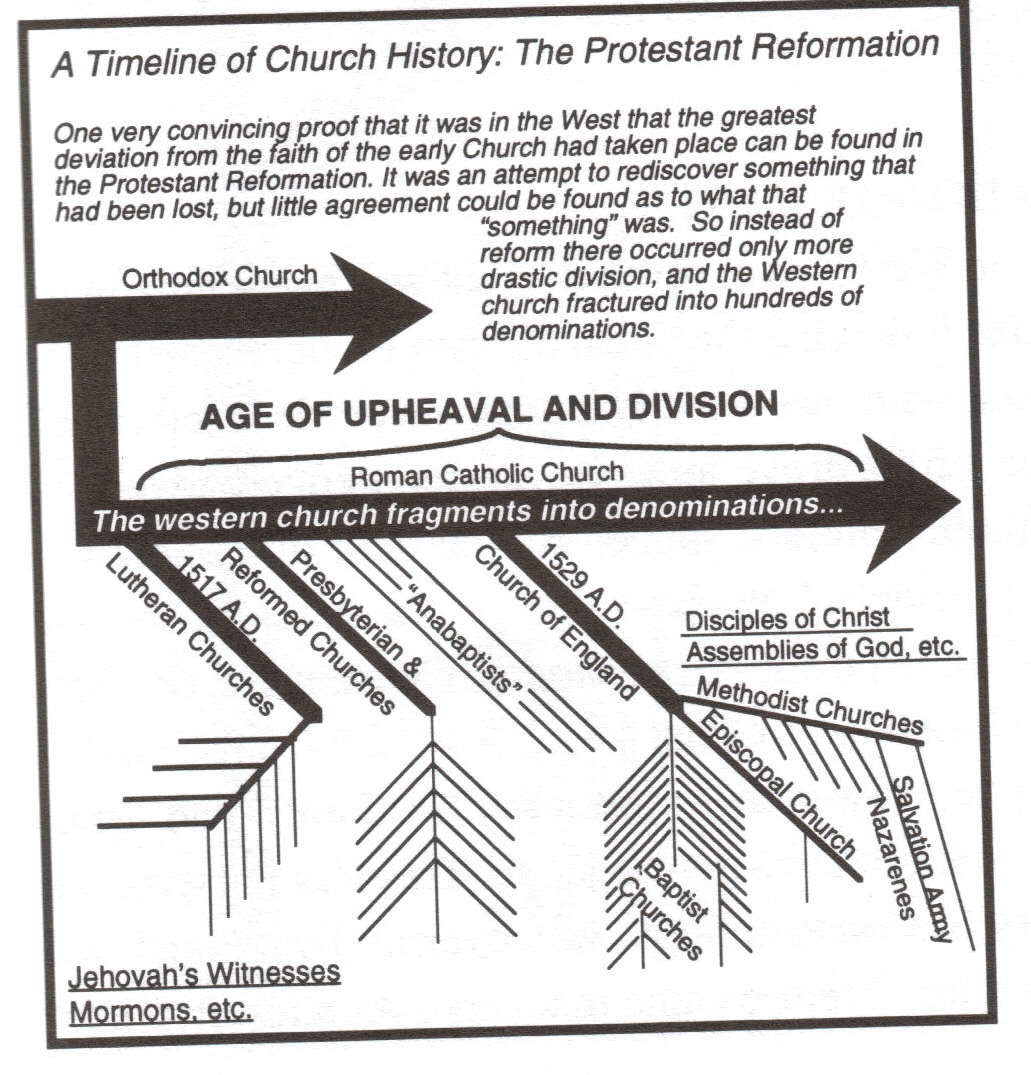
A TIMELINE OF CHURCH HISTORY
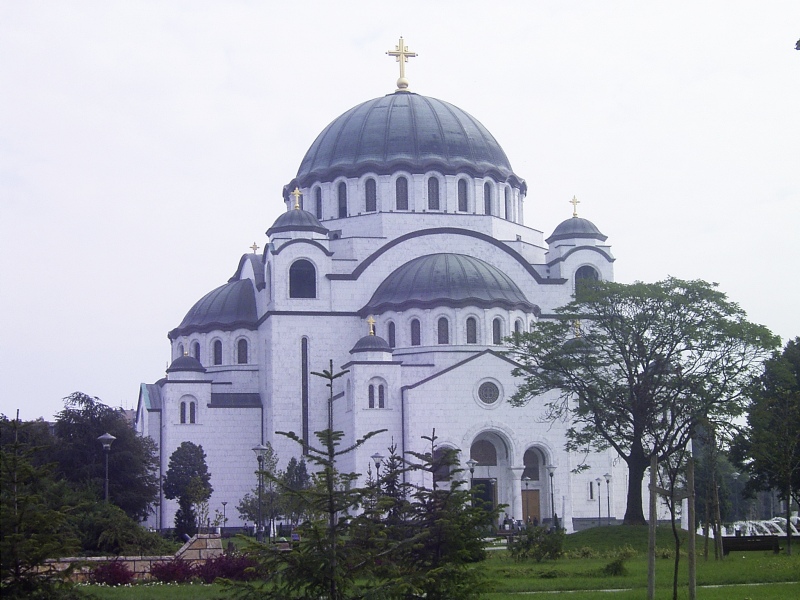
ST. SAVA CHURCH - BELGRADE
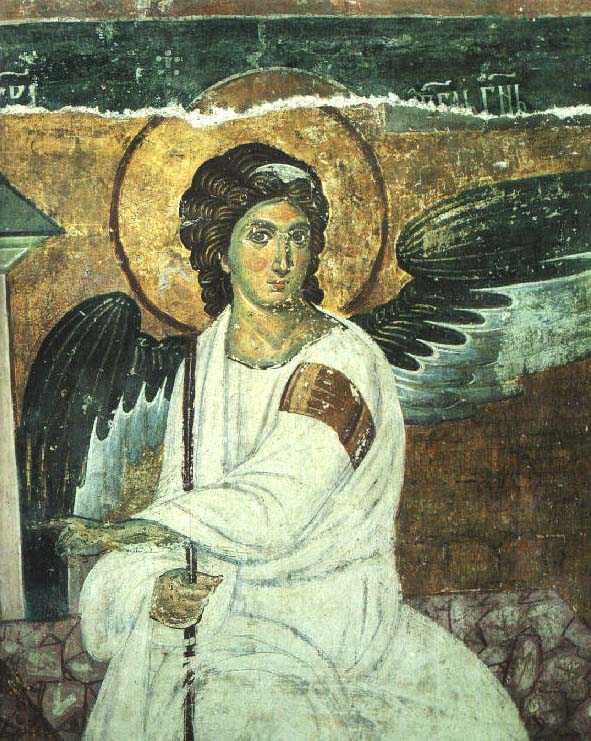
THE WHITE ANGEL OF STUDENICA