Part 1
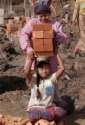
around the world. Nearly 70 percent (171 million) of these children work in hazardous
conditions � including working in mines, working with chemicals and pesticides in
agriculture or with dangerous machinery. The vast majority of working children � about
70 percent � work in the agriculture sector. Millions of children work under horrific
circumstances: they are trafficked, forced into debt bondage or other forms of slavery,
forced into prostitution and/or pornography, or recruited as child soldiers in armed conflict.
Through the Convention on the Rights of the Child and the International Labor Organization
Convention 182 on the Elimination of the Worst Forms of Child Labor, the world has
condemned the economic exploitation of children and child labor. These international
agreements define "child labor" as all children below 12 years of age working in any
economic activities, those aged between 12 and 14 engaged in more than light work, and all
children under 18 engaged in the worst forms of child labor. They condemn any form of
labor that is likely to be hazardous or to interfere with the child's health, physical, mental,
spiritual, moral or social development. The worst forms of child labor include trafficking of
children, forced labor, using children in armed conflict, prostitution, pornography and drug
trafficking.
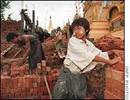
The most important is poverty.
Children work to ensure the survival of their family and themselves.
Though children are not well paid, they still serve as major contributors to
family income in developing countries. For example, minors in Paraguay
contribute almost a quarter of the total family income.
Children are often prompted to work by their parents. According to one
study, parents represent 62 percent of the source of induction into
employment. Children make their own decisions to work only 8 percent of
the time (Syed et al. 1991). In fact, a possible reason parents in developing
countries have children is because they can be profitable. Children seem to
be much less of an economic burden in developing versus developed
countries. Children in developing countries also contribute more time to a
household than they deplete as compared to their counterparts in developed
countries (Lindert 1976). Therefore, parents in developing countries make
use of children's ability to work.