


Hunger Program
Community Action (PICA)
Log onto: www.pica.ws/index.html

Guide which can be found at:
www.pica.ws/pubs/ccshop.htm
email: [email protected]
|
|
|
|
|
|
|
|
|
|
|
|
|
|
|
|
|
|
|
|
|
|
|
|
|
|
|
|
|
|
|
|
|
|
|
|
|
|
|
|
|
|
|
|
|
|
|
|
|
|
|
|
|
|
|
|
|
| WEEK TWELVE | ||||||||||||||||||||||||||||||||||||||||||||||||||||||||
| Sweat Free T Program | ||||||||||||||||||||||||||||||||||||||||||||||||||||||||
| What is Sweat-Free T? | ||||||||||||||||||||||||||||||||||||||||||||||||||||||||
|
||||||||||||||||||||||||||||||||||||||||||||||||||||||||
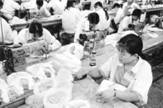
| Sweat-Free T is a part of the PC(USA) Enough for Everyone Global Discipleship Initiative - a program that offers congregations ways to participate more justly in the global economy. Sweat-Free T educates people about the unhealthy and dangerous conditions in sweatshops where our clothes are produced, and it enables people to purchase clothes that are certified as 'sweatshop free.' | ||||||||||||||||||||||||||||||||||||||||||||||||||||||||
| Sweat-Free T is inspired by 'clean clothes' and other anti-sweatshop campaigns, and the growing responsible consumerism movement spreading across Europe and the United States. Anti-sweatshop advocates are pressuring manufacturers to produce goods while also respecting the dignity and rights of workers. Sweat-Free Ts are made by manufacturers and their contractors who abide by internationally-sanctioned standards of the United Nations Declaration of Human Rights and the International Labor Organization (ILO). In summary, these standards protect the rights and dignity of workers in the following ways: | ||||||||||||||||||||||||||||||||||||||||||||||||||||||||
| Children are not subject to working conditions that jeopardize their physical, psychological, or intellectual development. | ||||||||||||||||||||||||||||||||||||||||||||||||||||||||
|
||||||||||||||||||||||||||||||||||||||||||||||||||||||||
| Women workers are neither discriminated against nor harassed. | ||||||||||||||||||||||||||||||||||||||||||||||||||||||||
|
||||||||||||||||||||||||||||||||||||||||||||||||||||||||
| All workers are free to organize and negotiate collective bargaining agreements. | ||||||||||||||||||||||||||||||||||||||||||||||||||||||||
|
||||||||||||||||||||||||||||||||||||||||||||||||||||||||
| Workers receive a fair living wage and benefits. | ||||||||||||||||||||||||||||||||||||||||||||||||||||||||
|
||||||||||||||||||||||||||||||||||||||||||||||||||||||||
| Working conditions are just, including freedom from excessive working hours and forced labor in all its forms, freedom from physical, sexual, and emotional abuse, and protection from workplace health and safety hazards. | ||||||||||||||||||||||||||||||||||||||||||||||||||||||||
|
||||||||||||||||||||||||||||||||||||||||||||||||||||||||
| How to get permission to use the Sweat-Free T service mark and logo | ||||||||||||||||||||||||||||||||||||||||||||||||||||||||
| The PC(USA), owner of the Sweat-Free T service mark and logo, will grant permission for their use by PC(USA) congregations, PC(USA) related ministries, ministries of other Christian communions, and not-for-profit organizations who agree to purchase items from manufacturers which have completed the Disclosure and Certification Form created by the Clean Clothes Resource Center with input from PC(USA)'s Sweat-Free T Staff Team. | ||||||||||||||||||||||||||||||||||||||||||||||||||||||||
| How to expand the universe of sweatshop-free products | ||||||||||||||||||||||||||||||||||||||||||||||||||||||||
| You and your church can be an important part of this burgeoning movement. | ||||||||||||||||||||||||||||||||||||||||||||||||||||||||
| Buy T-shirts, and other items, from sweatshop-free producers. | ||||||||||||||||||||||||||||||||||||||||||||||||||||||||
|
||||||||||||||||||||||||||||||||||||||||||||||||||||||||
| Ask local retailers to carry sweat-free brand names. | ||||||||||||||||||||||||||||||||||||||||||||||||||||||||
|
||||||||||||||||||||||||||||||||||||||||||||||||||||||||
| Inform retailers and wholesalers about the issue. Ask them where their fabric comes from, who assembles it, how much they're paid, and what the working conditions are. Many may not know, but you can encourage them to have their manufacturers disclose their labor conditions and practices. | ||||||||||||||||||||||||||||||||||||||||||||||||||||||||
|
||||||||||||||||||||||||||||||||||||||||||||||||||||||||
| When you have identified sweat-free manufacturers and brand names, let us know so we can spread the word. | ||||||||||||||||||||||||||||||||||||||||||||||||||||||||
|
||||||||||||||||||||||||||||||||||||||||||||||||||||||||
|
||||||||||||||||||||||||||||||||||||||||||||||||||||||||
| Thought for the Day: | ||||||||||||||||||||||||||||||||||||||||||||||||||||||||
| Sunday: Young women in Bangladesh work from 7:30 am to 8 pm (12-1/2 hour shifts), Seven days a week, and are paid between 9 & 20 cents an hour. | ||||||||||||||||||||||||||||||||||||||||||||||||||||||||
| Monday: These same young women in Bangladesh are denied health care and maternity leave, are pressured to meet harsh quotas and must endure monitored bathroom visits. Anyone who dares to complain or ask for their rights are summarily fired | ||||||||||||||||||||||||||||||||||||||||||||||||||||||||
| Tuesday: Roughly half of all clothes sold in our stores are made in sweatshops workplaces where young women and girls labor for poverty wages in conditions that are unsafe, degrading, and often abusive | ||||||||||||||||||||||||||||||||||||||||||||||||||||||||
| Wednesday: In the factory dorms in ShenzhenCity, Shenzhen, China, workers pay more than half their $60 monthly salary to share a crowded dorm room. Many girls sleep on thin straw mats covering the wood bunks. | ||||||||||||||||||||||||||||||||||||||||||||||||||||||||
| Thursday: A Spanish speaking employee in Nuevo Laredo on the US/Mexico border smuggled an English sign that reads: "Warning: Danger! Contains cadmium. Fumes are poisonous and can kill." The workers at this plant have been given no protective equipment or been informed of the risks | ||||||||||||||||||||||||||||||||||||||||||||||||||||||||
|
||||||||||||||||||||||||||||||||||||||||||||||||||||||||
| Friday: Export Processing Zones (EPZs) are the home of most sweatshops. Due to exposure to toxins at work and in their contaminated communities, EPZ factory employees - children are more likely to suffer from developmental and health problems including: learning disabilities, cancers, and birth defects. | ||||||||||||||||||||||||||||||||||||||||||||||||||||||||
| Saturday: At the Kunshan Sun Hwa Footwear Co., China, 16-year old girls assemble Keds sneakers and apply toxic glue with their bare hands without respirators. | ||||||||||||||||||||||||||||||||||||||||||||||||||||||||
|
||||||||||||||||||||||||||||||||||||||||||||||||||||||||
| Getting Involved | ||||||||||||||||||||||||||||||||||||||||||||||||||||||||
| Contact the Presbyterian Hunger Program |
||||||||||||||||||||||||||||||||||||||||||||||||||||||||
| Contact Peace through Interamerican Community Action (PICA) Log onto: www.pica.ws/index.html |
||||||||||||||||||||||||||||||||||||||||||||||||||||||||
|
||||||||||||||||||||||||||||||||||||||||||||||||||||||||
| Log onto: www.pcusa.org/pcusa/wmd/sweatfree� ��� | ||||||||||||||||||||||||||||||||||||||||||||||||||||||||
| telephone: (207)947-4203; email: [email protected] | ||||||||||||||||||||||||||||||||||||||||||||||||||||||||
| or contact Contact Melanie Hardison: | ||||||||||||||||||||||||||||||||||||||||||||||||||||||||
| ask about their: Clean Clothes Shopping Guide which can be found at: www.pica.ws/pubs/ccshop.htm |
||||||||||||||||||||||||||||||||||||||||||||||||||||||||
| telephone: 1-888-728-7228 x5626; email: [email protected] |
||||||||||||||||||||||||||||||||||||||||||||||||||||||||
|
||||||||||||||||||||||||||||||||||||||||||||||||||||||||
| This is the last Cents-Ability page. To return to the DonegalHunger Program homepage click here | ||||||||||||||||||||||||||||||||||||||||||||||||||||||||